
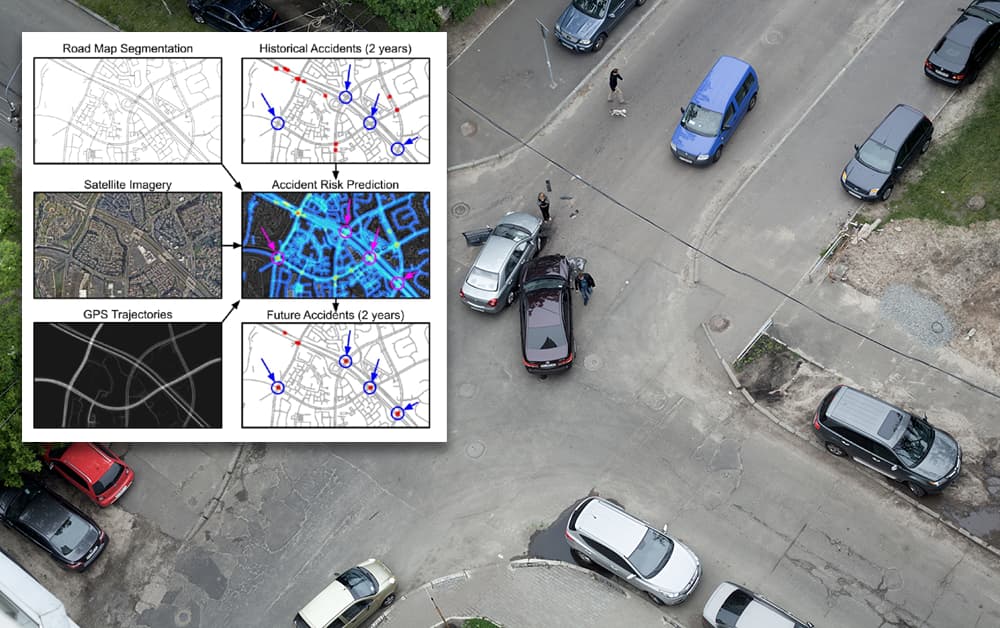
According to the Centers For Disease Control (October 29, 2024), safety is a significant public health issue. Thousands of pedestrians are killed every year on our nation's roads. Speed, location, vehicle size, and alcohol are major risk factors. Pedestrian injuries and deaths are preventable.

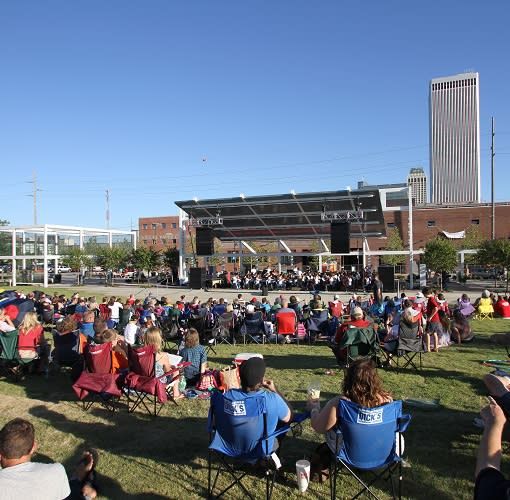
One crucial step of this strategy is to provide community advocates with access to data analysis tools. To effectively address substantial long-term inadequacy, we must empower community members with the tools and knowledge to improve safety in their own neighborhoods.
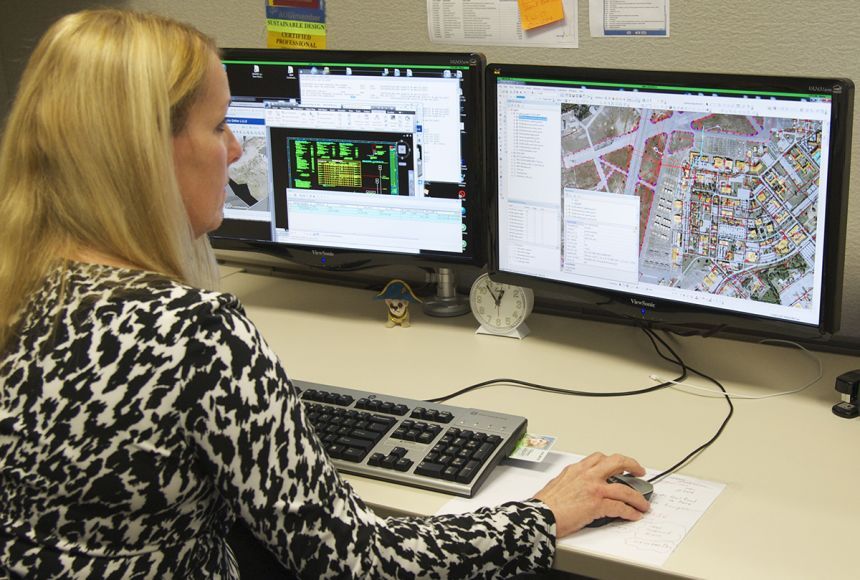
Data analysis tools., such as Geographic Information Systems (GIS), data visualization tools, predictive analytics, transportation management systems, crowdsourced transit data, intelligent transportation systems (ITS), network analysis tools, and systems for real-time transit data analysis, can help identify patterns in pedestrian accidents.
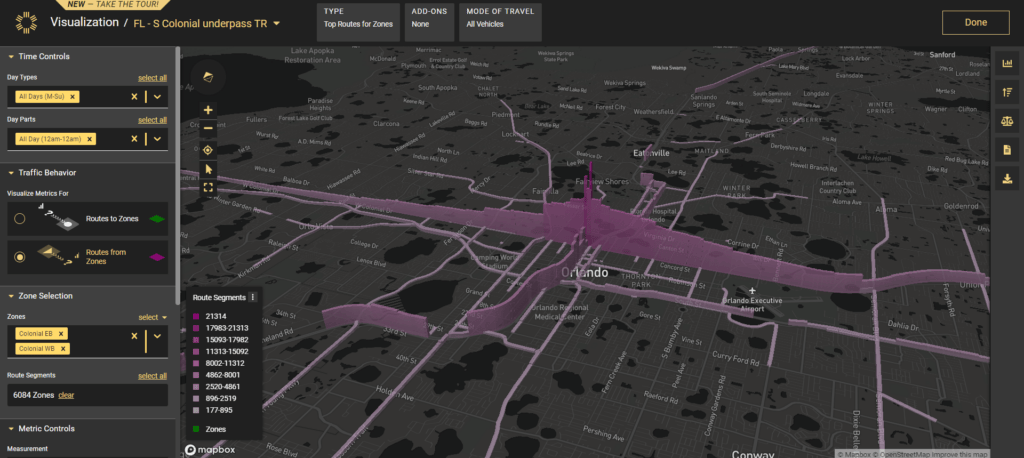
By analyzing data on accident locations, times of day, and contributing factors, we can pinpoint high-risk areas and understand the specific challenges faced by pedestrians utilizing our cities and towns streets and roads. For example, this analysis can reveal if certain intersections are more dangerous at night, or if specific age groups are more vulnerable.

Equipped with this data and technical proficiency, community advocates can play a vital role in improving public transportation safety. They can:
- Educate residents about safe pedestrian practices, such as the importance of using crosswalks and obeying traffic signals.
- Advocate for improved infrastructure, such as better lighting, more accessible sidewalks, and clearly marked crosswalks.
- Collaborate with local authorities, such as city planners and traffic engineers, to implement effective safety measures.

Community involvement is essential for successful pedestrian safety initiatives. When residents are actively involved in identifying and addressing local safety concerns, they are far more likely to support and participate in these efforts.
A data-driven, community-centered empowered and technically equipped local advocate with the tools and knowledge to understand and address the specific challenges within their communities, will achieve safer environmental designs within public transportation safety networks.


 PACE TULSA