A “think-resource” assisting Modular IsmTheorists “Identifying Health Conscious Community Activities,” and “Analyzing Practicing Specificity Surveys.”
GRASSROOTS EDUCATION, CODE ENFORCEMENT, AND ENGINEERING
To create safer and healthier neighborhoods, it is essential to respect speed limits and prioritize pedestrian safety.
By promoting education, residents can initiate a dialogue that focuses on traffic safety concerns in their neighborhoods. North 43rd St. & N. Hartford Ave., Tulsa, OK, Phoenix District Neighborhood has encouraged citizens to engage in grassroots education, enforcement, and engineering to help realize traffic calming.
PACE TULSA 12 NATIONAL CAMPAIGNS
PACE TULSA runs 12 National Social Media Campaigns that use ROI metrics to benchmark campaign information and data accurately.
Through PACE TULSA affiliate distribution audiences, U.S. print and broadcast syndicates are empowered through various media channels, including wire services like APM, UPI, and Reuters.
PACE TULSA FOUNDATION has established NATIONAL CAMPAIGN HOOKS to share knowledge gained from listeners across America. It is an open forum for people aged 18 and older to explore, think, and network.
The FOUNDATIONS campaign hooks cover a variety of topics, including safety education, pedestrian safety, public policy, and membership and media outreach.
Interesting seminars and informative presentations are available for everyone to enjoy and learn from.
The FOUNDATION offers fundraising campaigns like “Pedestrian-Safety-Starts-With-Me” to promote pedestrian safety.
Through PACE TULSA affiliate distribution audiences, U.S. print and broadcast syndicates are empowered through various media channels, including wire services like APM, UPI, and Reuters.
The FOUNDATIONS campaign hooks cover a variety of topics, including safety education, pedestrian safety, public policy, and membership and media outreach.
Other campaigns such as “Make Sure Drivers Can See You,” “Stop and Think…Before You Cross,” and “Listen before You Cross” encourage safety training and awareness.
Additionally, the “One Vision 2020” campaign focuses on autonomous vehicles, learning environment and designs, and highway safety countermeasures. With campaigns like “Know More about Pedestrian Awareness” and “Practice Mind on Driving,” the foundation aims to promote safe practices among pedestrians and motorists alike.
Affiliate distribution audiences Empower UNITED STATES: Print (newspapers and magazines) and Broadcast (TV and radio), Syndicates by email; by phone; by postal service; also, through Online Media channels including Apple News, Bing News and Google news; additionally, wire services like APM (Associated Press), UPI and Reuters are Networks.
PACE TULSA AGS FOUNDATION has established National Campaign Hooks to disseminate the knowledge we have gained from our listeners all across America.
M U T C D FOR STREETS AND HIGHWAYS
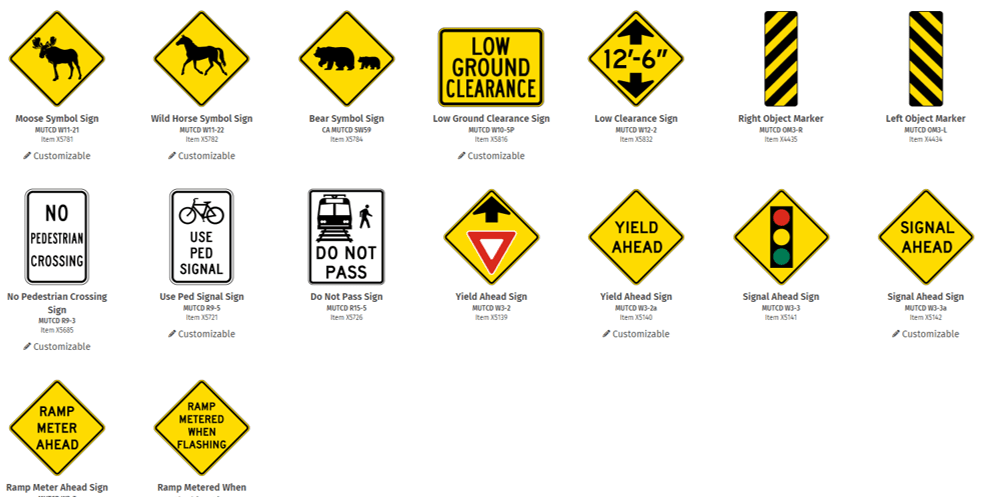
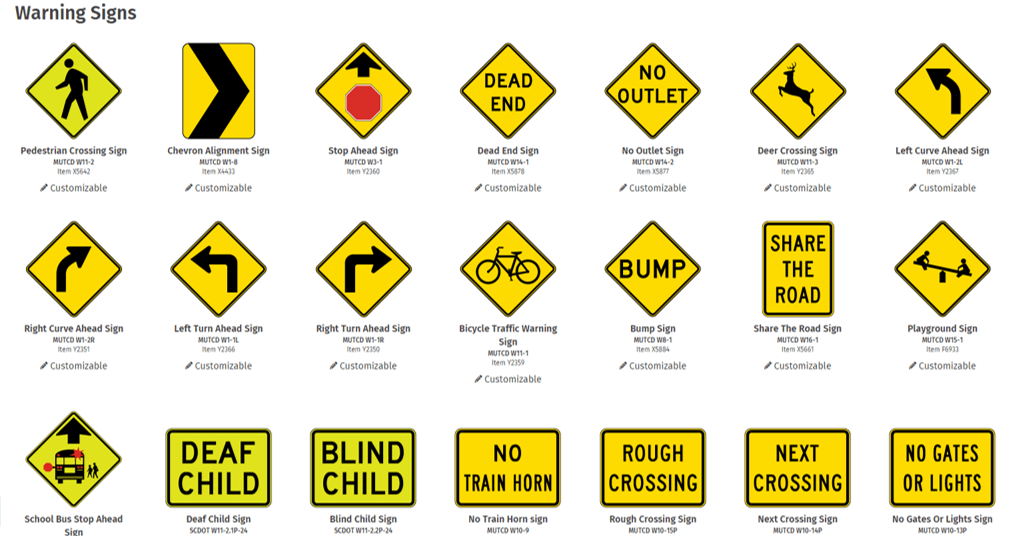
Except as provided in Paragraph 2 or unless specifically designated otherwise, all warning signs shall be diamond-shaped (square with one diagonal vertical) with a black legend and border on a yellow background.
Guidance: The use of warning signs should be kept to a minimum as the unnecessary use of warning signs tends to breed disrespect for all signs.
In situations where the condition or activity is seasonal or temporary, the warning sign should be removed or covered when the condition or activity does not exist.
Support: The categories of warning signs are shown Warning signs specified herein cover most of the conditions that are likely to be encountered.
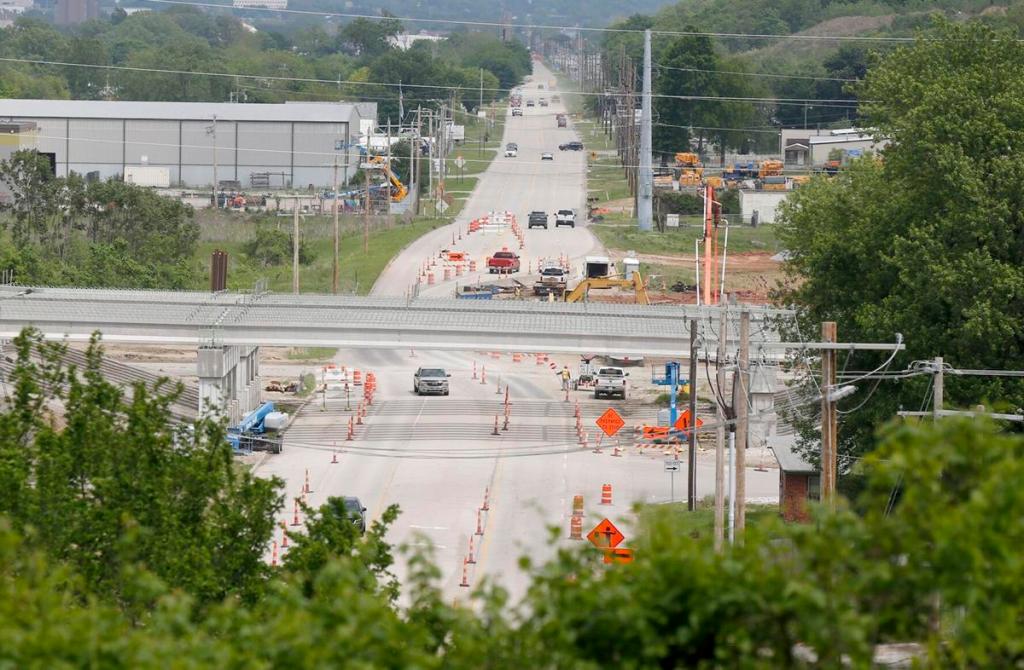
Additional warning signs for low-volume roads (as defined in Section 5A.01), temporary traffic control zones, school areas, highway-rail grade crossings, bicycle facilities, and highway-light rail transit grade crossings are discussed in Parts 5 through 10, respectively.
Option: Word message warning signs other than those specified in this Manual may be developed and installed by State and local highway agencies.
M U T C D FOR STREETS AND HIGHWAYS
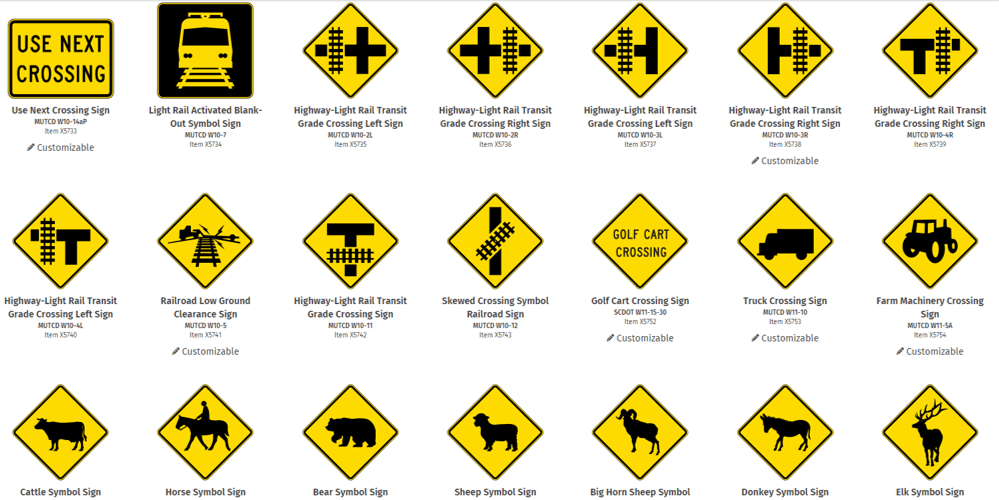
Warning signs call attention to unexpected conditions on or adjacent to a highway or street and to situations that might not be readily apparent to road users.
Warning signs alert road users to conditions that might call for a reduction of speed or an action in the interest of safety and efficient traffic operations.
Standard: Warning signs shall be installed in accordance with the general requirements.
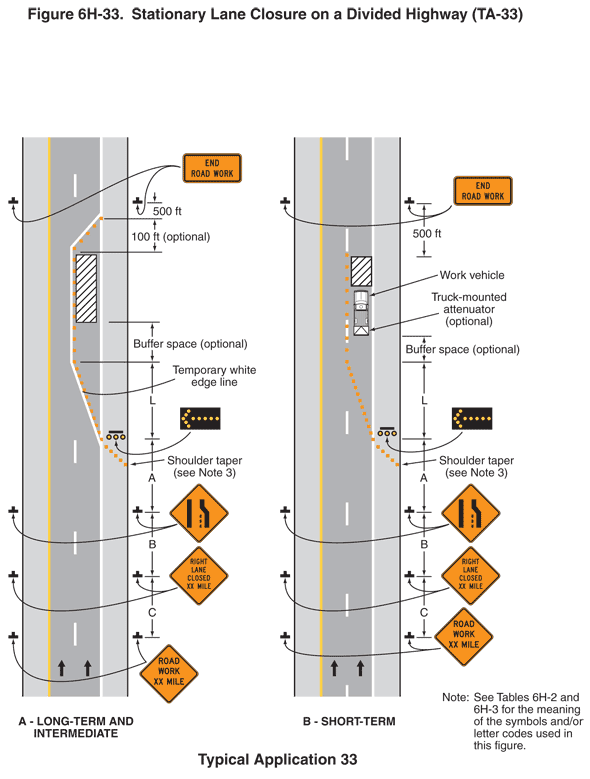
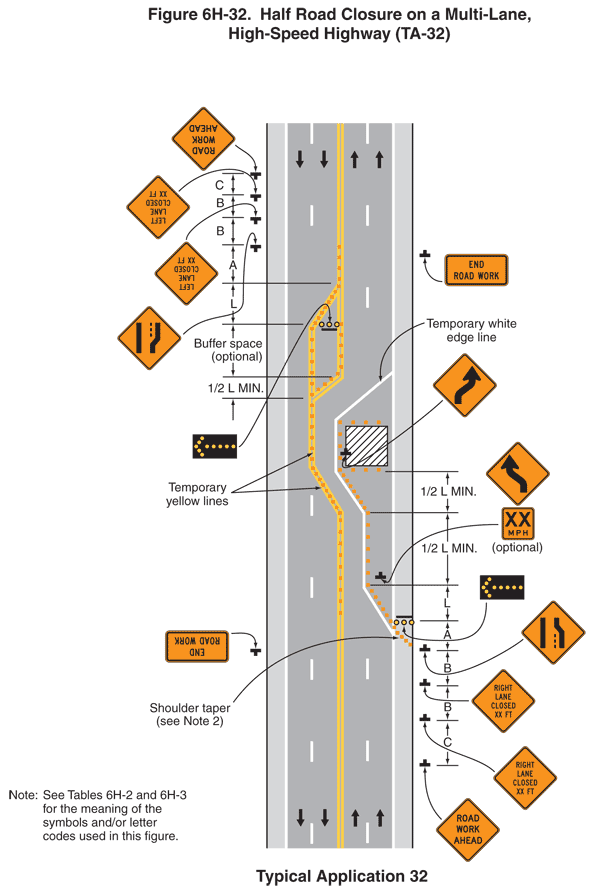
CONTROL GUIDANCE
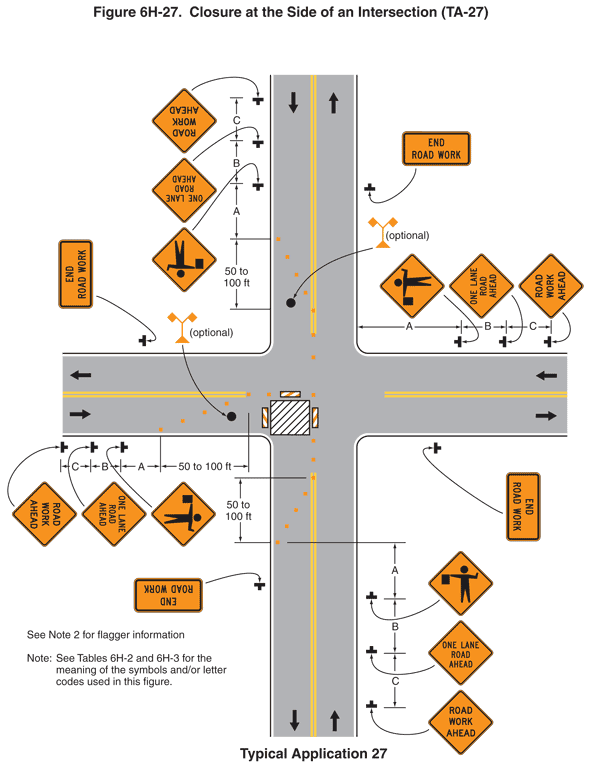
The PIEV time can vary from several seconds for general warning signs to 6 seconds or more for warning signs requiring high road user judgment. Suggested sign placement distances for three conditions.
Support: The total time needed to perceive and complete a reaction to a sign is the sum of the times necessary for Perception, Identification (understanding), Emotion (decision making), and Volition (execution of decision), and is called the PIEV time.
THIS GUIDANCE IS PROVIDED AS AN AID FOR DETERMINING WARNING SIGN LOCATION.
Guidance: Warning signs should be placed so that they provide adequate PIEV time.
The distances contained are for guidance purposes and should be applied with engineering judgment.
Warning signs should not be placed too far in advance of the condition, such that drivers might tend to forget the warning because of other driving distractions, especially in urban areas.
Minimum spacing between warning signs with different messages should be based on the estimated PIEV time for driver comprehension of and reaction to the second sign.
The effectiveness of the placement of warning signs should be periodically evaluated under both day and night conditions.
Option: Warning signs that advise road users about conditions that are not related to a specific location, such as Deer Crossing or SOFT SHOULDER, may be installed in an appropriate location, based on engineering judgment, since they are not covered.
10 GUIDELINES TO PREVENT CAR THEFT
Always lock your car when you park it, and remove your keys. Lock valuables in your trunk and do not leave personal ID cards or credits cards in the vehicle.
- Lock your doors
- Remove your keys from the vehicle
- Do not leave a spare key near your vehicle
- Close the windows
- Park in well-lit areas
- Install an audible alarm system and anti-theft device
- Install a vehicle immobilizer system
- Install a tracking system
- Don’t leave valuables in your car
- Be alert

M U T C D FOR STREETS AND HIGHWAYS
The “Standard Highway Signs” book prescribes design details for five different sizes depending on the type of traffic facility, including bikeways.
Smaller sizes are designed to be used on bike ways and other off-road applications.
Larger sizes are designed for use on freeways and express ways, and can also be used to enhance road user safety and convenience on other facilities, especially on multi-lane divided highways and on undivided highways having five or more lanes of traffic and/or high speeds.
The intermediate sizes are designed to be used on two-lane, three-lane, and four-lane highways that have low speeds volumes.
M U T C D FOR STREETS AND HIGHWAYS
The Manual on Uniform Traffic Control Devices for Streets and Highways (usually referred to as the Manual on Uniform Traffic Control Devices, abbreviated MUTCD) is a document issued by the Federal Highway Administration (FHWA) of the United States Department of Transportation (USDOT) to specify the standards by which traffic signs, road surface markings, and signals are designed, installed, and used. In the United States, all traffic control devices must legally conform to these standards.
M U T C D FOR STREETS AND HIGHWAYS
The “Standard Highway Signs” book prescribes design details for five different sizes depending on the type of traffic facility, including bikeways.
Smaller sizes are designed to be used on bike ways and other off-road applications.
Larger sizes are designed for use on freeways and express ways, and can also be used to enhance road user safety and convenience on other facilities, especially on multi-lane divided highways and on undivided highways having five or more lanes of traffic and/or high speeds.
The intermediate sizes are designed to be used on two-lane, three-lane, and four-lane highways that have low speeds volumes.
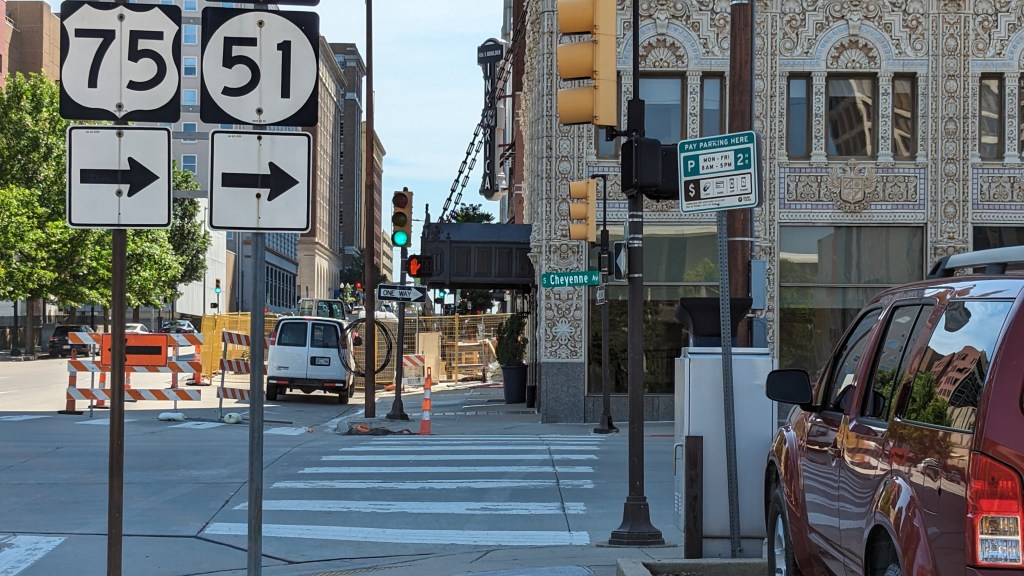
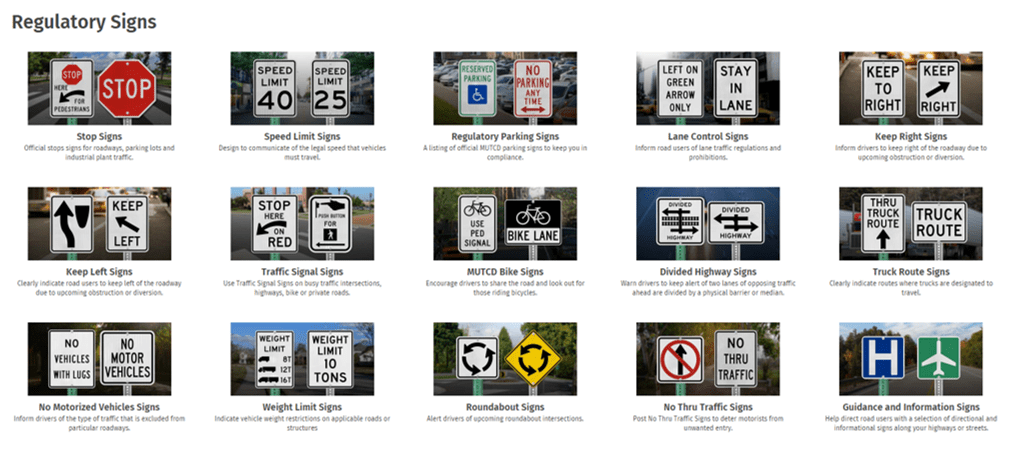
REGULATORY SIGNS
THE DIFFERENCE: WARNING, REGULATORY & GUIDE SIGNS?
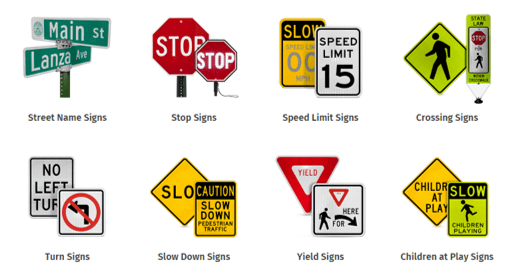
Regulatory signs shall be used to inform road users of selected traffic laws or regulations and indicate the applicability of legal requirements.
Regulatory signs shall be installed at or near where the regulations apply. Here are 10 Pedestrian Safety Guidelines:
- Prepare a safe walking route in advance.
- Use sidewalks if they are available.
- Walk facing the traffic if a sidewalk isn’t available.
- Obey all signs and signals.
- Only cross streets at designated areas.
- Stay on well-lit paths at night.
- Wear bright colors during the day and reflective tape at night.
- Watch for cars that are turning or backing up.
- Avoid drugs and alcohol if you plan to go walking.
- Do not assume other drivers see you or will stop when they should. Walk defensively.
GUIDE SIGNS
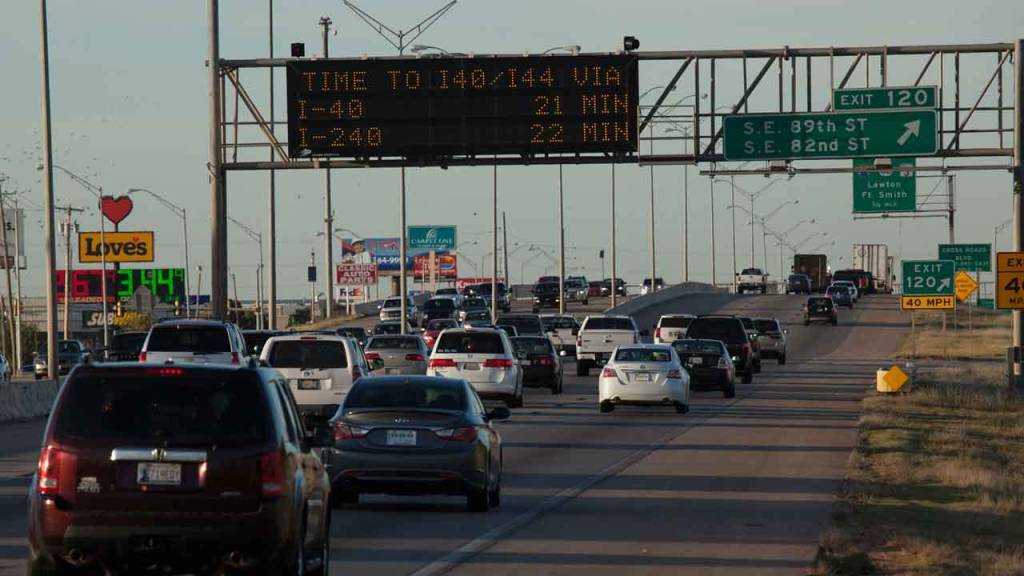
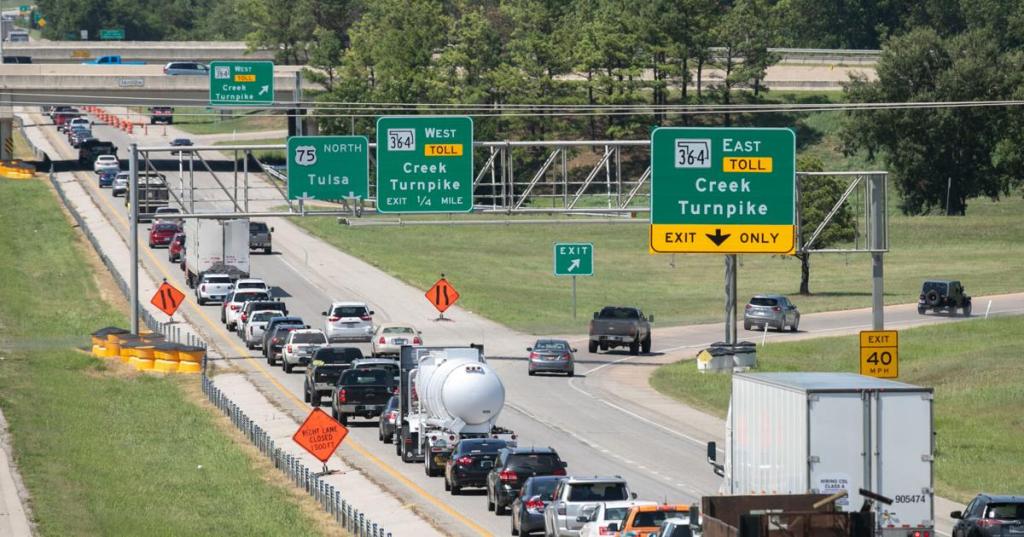
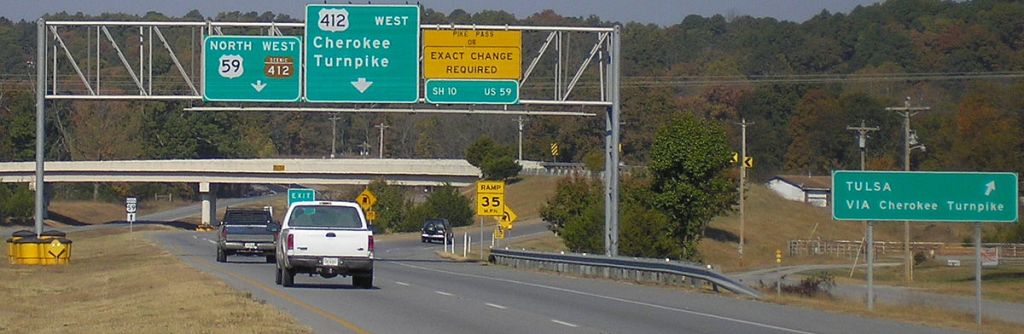
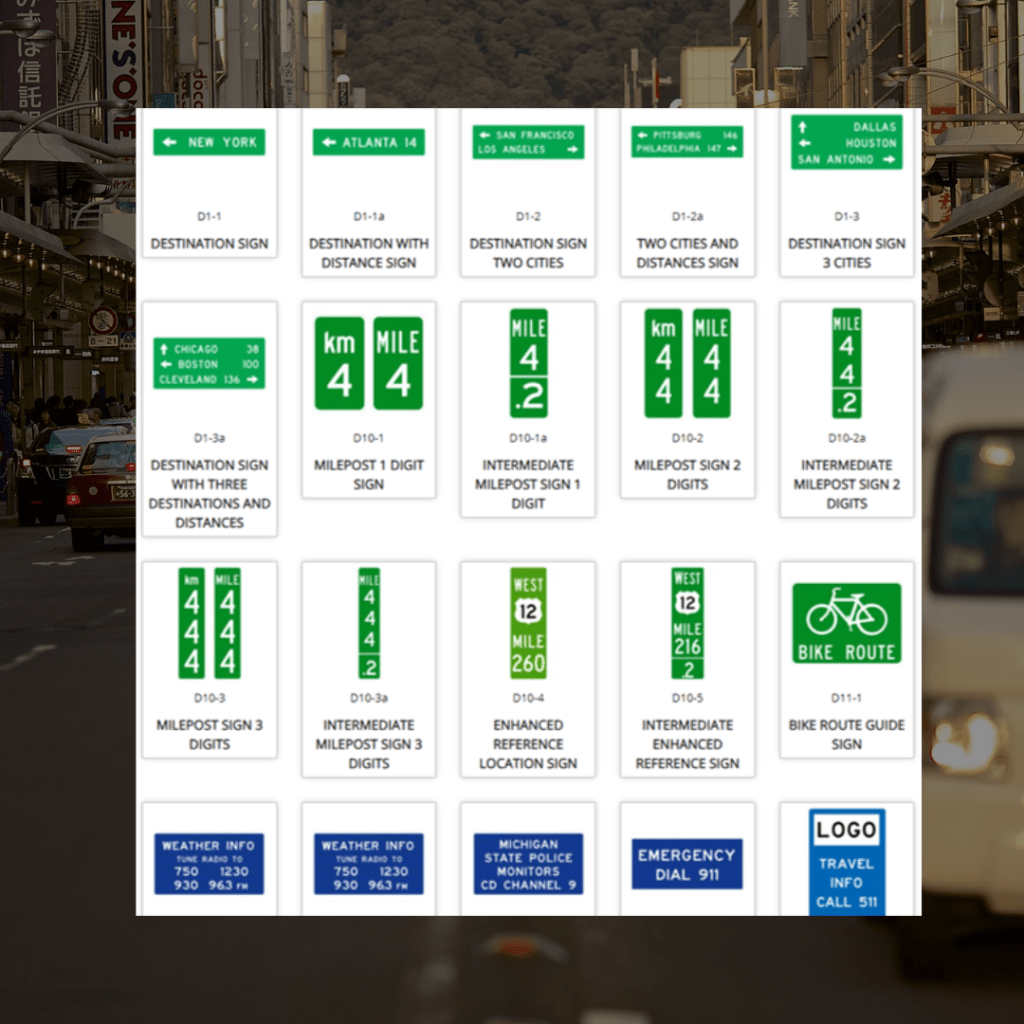
Guide signs provide information about the roads and highways, and distance and directions to destinations. Guide signs are square or rectangular shaped and are green or brown with white lettering.
WARNING SIGNS
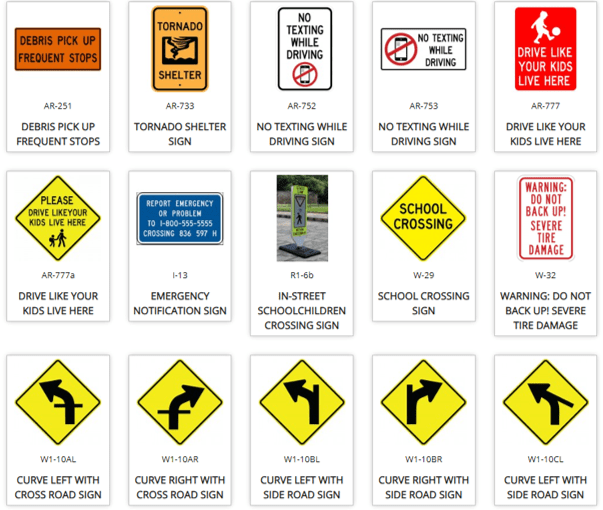
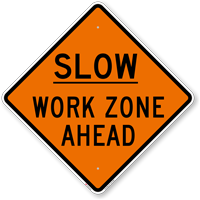
Warning signs are used to alert highway, street or road users to unexpected or dangerous conditions ahead that might call for a reduction of speed, situations that might not be readily apparent, or an action in the interest of safety and efficient traffic operations such as a curve, detour, side road, etc.
They usually have a yellow or orange background with black symbols or letters on a diamond-shaped or rectangular sign.
Yellow pennant-shaped signs caution motorists where passing is unsafe. Round yellow warning signs alert motorists that there’s a railroad crossing ahead.