
Grounds for an Eviction in Oklahoma
In Oklahoma, a landlord cannot legally evict a tenant without cause.
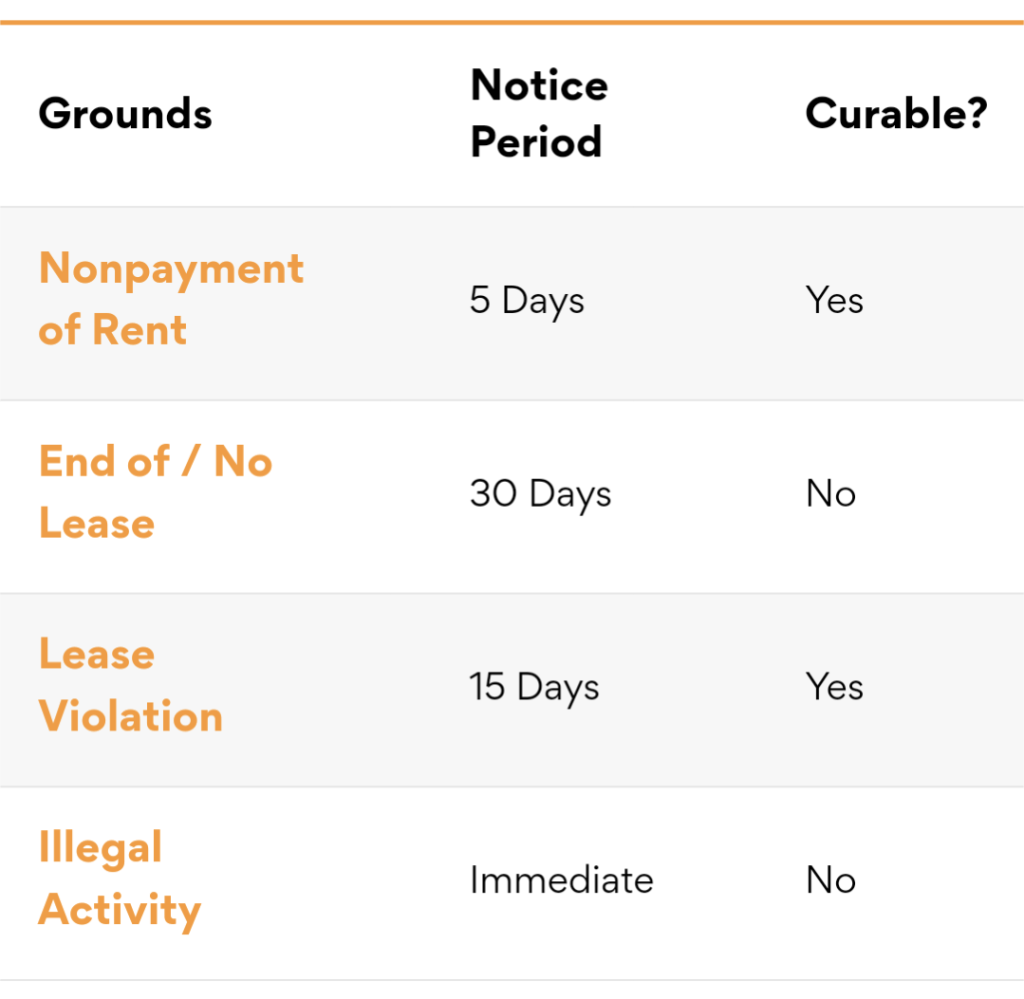
Legal grounds to evict include not paying rent on time, staying after the lease ends, violating the terms of the lease and committing illegal activity. Even so, proper notice must first be given before ending the tenancy.
Eviction for Nonpayment of Rent
In Oklahoma, a landlord can evict a tenant for not paying rent on time. To do so, the landlord must first serve the tenant a 5 days’ notice to quit, which gives the tenant a chance to pay the balance due or move out.
Unless the lease states otherwise, rent is due at the beginning of each pay period and is considered late in Oklahoma the day immediately after its due date.
So for example, if rent is due on the first day of the month, it is considered late starting on the second day of the month (if not paid in full). There is no right to a legal grace period (i.e. three days) or exceptions for weekends or court-observed holidays.
If the tenant does not pay the balance due or move out by the end of the notice period, the landlord can move forward and file an eviction lawsuit.

Eviction for No Lease or End of Lease
In Oklahoma, a landlord can evict a tenant without a lease or with a lease that has ended (known as a “holdover tenant” or “tenant at will”). To do so, the landlord must first terminate the tenancy by giving the tenant proper notice to move out (30 calendar days’ for tenants that pay month-to-month).
If the tenant does not move out by the end of the notice period, the landlord can move forward and file an eviction lawsuit.
Eviction for Violation of Lease or Responsibilities
In Oklahoma, a landlord can evict a tenant for violating the terms of their lease or not upholding their responsibilities. To do so, the landlord must first serve the tenant a 15 days’ notice to comply or vacate.
The tenant has a chance to fix the issue within 10 days, otherwise the tenant must move out by the end of the 15-day notice period.
Examples of lease violations include:
- Refusing to allow the landlord access to therental unit.
- Failing to maintain the premises in a clean and sanitary manner.
- Causing minor property damage (i.e. small holes in the sheetrock or missing blinds).
- Allowing unauthorized occupants or pets to reside in the rental unit.
- Using the electrical, plumbing or other fixtures in an unreasonable or unsafe manner.
If the tenant does not fix the issue or move out by the end of the notice period, the landlord can move forward and file an eviction lawsuit.

Eviction for Illegal Activity
In Oklahoma, a landlord can evict a tenant for committing illegal activity on the premises. To do so, the landlord can file a forcible entry and detainer action at the courthouse to begin eviction proceedings.
However, the landlord has the option to first serve the tenant an Immediate notice to vacate, but this is not required by law. The tenant does not have the option to fix the violation and must move out immediately.
In Oklahoma, illegal activity includes:
- Threatening imminent or immediate harm to other persons or the property.
- Committing criminal activity that threatens the health, safety or peaceful enjoyment of others.
- Engaging in drug-related criminal activity on or near the premises.
- If the tenant does not move out immediately, the landlord can move forward and file an eviction lawsuit.
Illegal Evictions by a landlord are illegal.
“Self-Help” Evictions
In Oklahoma, self-help evictions are illegal. If a landlord is found liable, they could be required to pay the tenant twice the actual damages sustained, or twice the average monthly rent, whichever is greater. No matter the situation, a landlord is not allowed to forcibly remove a tenant by:
- Shutting off utilities.
- Removing tenant belongings.
- Changing the locks.
A tenant can only be legally removed with a court order obtained through the formal eviction process.
Retaliatory Evictions
While in most states it is illegal for a landlord to evict a tenant in response to exercising a legally protected right, there are no anti-retaliation statutes in Oklahoma.
Oklahoma has no statutes prohibiting landlord retaliation when a tenant exercises a legal right (i.e., joining a tenant’s union or making a complaint to a governmental official regarding a habitability issue).
Step 1: Landlord Serves Notice to Tenant
A landlord can begin the eviction process in Oklahoma by serving the tenant with written notice. The notice must be delivered using one of the following methods:
- Handing the notice to the tenant in person.
- Handing the notice to a family member of the tenant, over 12 years of age AND mailing the notice by certified mail with a return receipt.
- Posting the notice to a conspicuous place at the premises AND mailing the notice by certified mail with a return receipt.
Note: landlords should always keep the original signed notice and declaration of service as proof of proper service if the case proceeds to court.
5-Day Notice to Quit
In Oklahoma, if a tenant is late on paying rent (full or partial), the landlord can serve them a 5-Day Notice to Quit. This eviction notice gives the tenant 5 judicial days (not counting weekends or legal holidays), to pay the balance due or move out.

30-Day Notice to Vacate
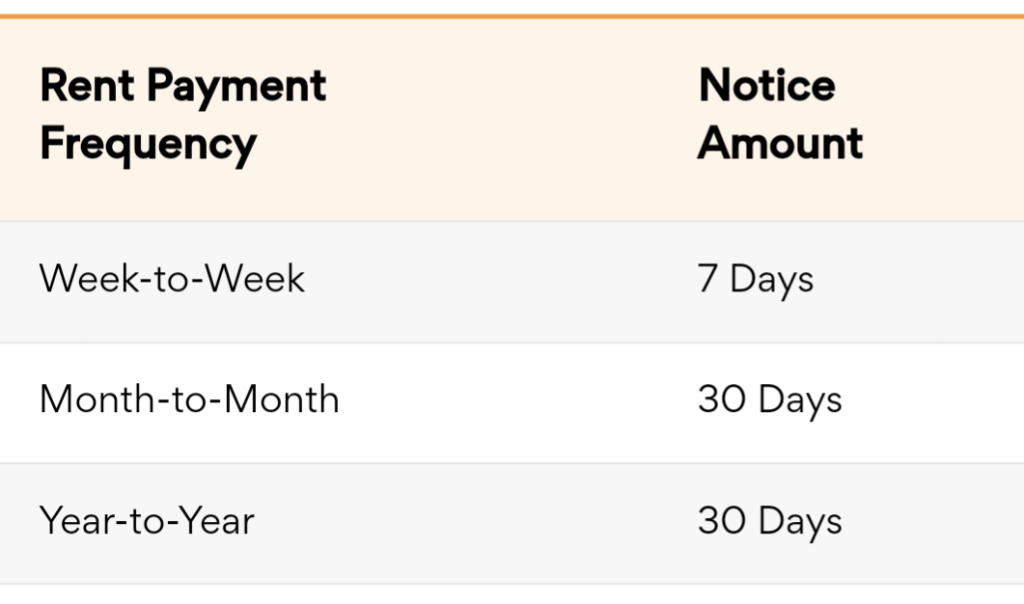
For a tenant with no lease or a month-to-month lease in Oklahoma, the landlord can serve them a 30-Day Notice to Vacate to terminate the tenancy. This lease termination notice allows the tenant 30 calendar days to move out.
However, for tenants that don’t pay monthly, the amount of notice differs:
15-Day Notice to Comply or Vacate
In Oklahoma, if a tenant violates the terms of their lease or legal responsibilities, the landlord can serve them a 15-Day Notice to Comply or Vacate.
This eviction notice gives the tenant 10 calendar days to fix the issue or 15 calendar days to move out.

Immediate Notice to Vacate
In Oklahoma, if a tenant commits an illegal activity on the premises, the landlord can serve them an Immediate Notice to Vacate, but this is not required by law.
Instead, the landlord can go directly to the courthouse to file a forcible entry and detainer action to begin eviction proceedings immediately.

Step 2: Landlord Files Lawsuit with Court
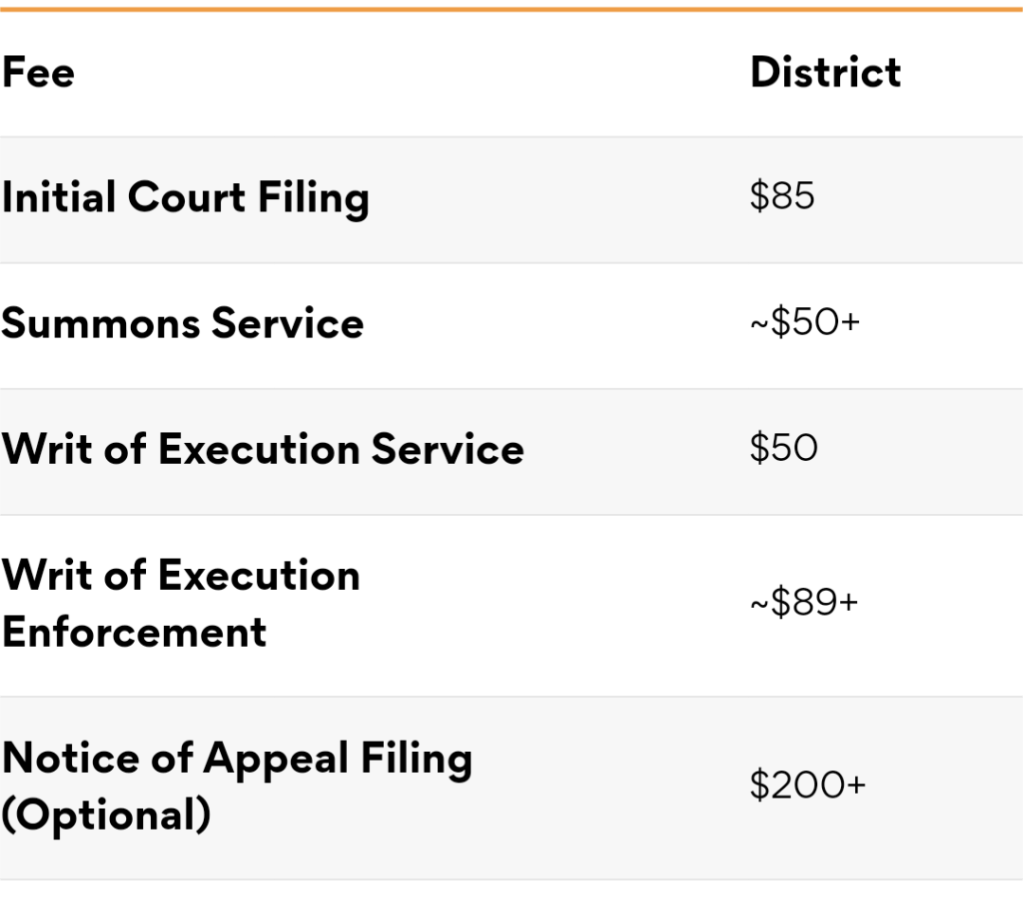
As the next step in the eviction process, Oklahoma landlords must file a complaint in the appropriate district court. In Oklahoma, this costs $85 in filing fees.
The summons and complaint may be served on the tenant by the sheriff’s office or anyone else allowed to serve the process at least three days prior to the hearing through one of the following methods:
- Giving a copy to the tenant in person;
- Leaving a copy with someone over the age of 15 residing on the rental property;
- Mailing a copy via certified mail with a return receipt;
- Posting a copy in a conspicuous place on the rental unit (only if all other methods are unsuccessful) and mailing a copy via certified mail.
- If the summons and complaint are posted on the rental unit, it must be done at least five days prior to the eviction hearing.
- Clock on to iPropertyManagement.com
- 3 to 5 days. The summons and complaint must be served on the tenant at least three to five days prior to the eviction hearing, depending on the service method chosen.

Step 3: Court Holds Hearing & Issues Judgment
The eviction hearing will be held 5-10 days after the date the summons was issued by the court.
Tenants may file a formal, written answer with the court if they wish, but it is not required for tenants to attend the eviction hearing.
If the tenant fails to appear for the hearing, the judicial officer may issue a default judgment in favor of the landlord, meaning the tenant will have to move out.
However, if either the landlord or tenant requests a jury trial, this will add more time to the process.
If the judge rules in favor of the landlord, a writ of execution will be issued, and the eviction process will continue.
Tenants may request a new trial within three days of the date the ruling was issued in favor of the landlord, but it will not stop the eviction process.
Clock on iPropertyManagement.com
5-10 days. The hearing must be held at least five days, but no more than 10 days, after the date the summons is issued by the court.

Step 4: Writ of Execution is Issued
The writ of execution is the tenant’s final notice to leave the rental unit and gives them the opportunity to remove their belongings before law enforcement officials return to forcibly remove them.
If the court has ruled in the landlord’s favor, the court will issue a writ of execution. This can be done at the hearing or at a later date.
Clock on iPropertyManagement.com
A few hours to a few days. The landlord must request the writ of execution, but it may be issued the same day as the hearing, depending on what time of day the hearing was held.
Step 5: Possession of Property is Returned
The tenant will have 48 hours to move out once the writ has been posted on the rental unit or delivered to the tenant in person.
If the tenant remains in the rental unit once the deadline has passed, law enforcement officials will return to forcibly remove them from the premises. The tenant is now considered to be a trespasser and may be punished by a fine up to $500 and/or the tenant may be taken to county jail for not more than 30 days.
Clock on iPropertyManagement.com
48 hours. The tenant will have 48 hours to move out once the writ has been delivered.

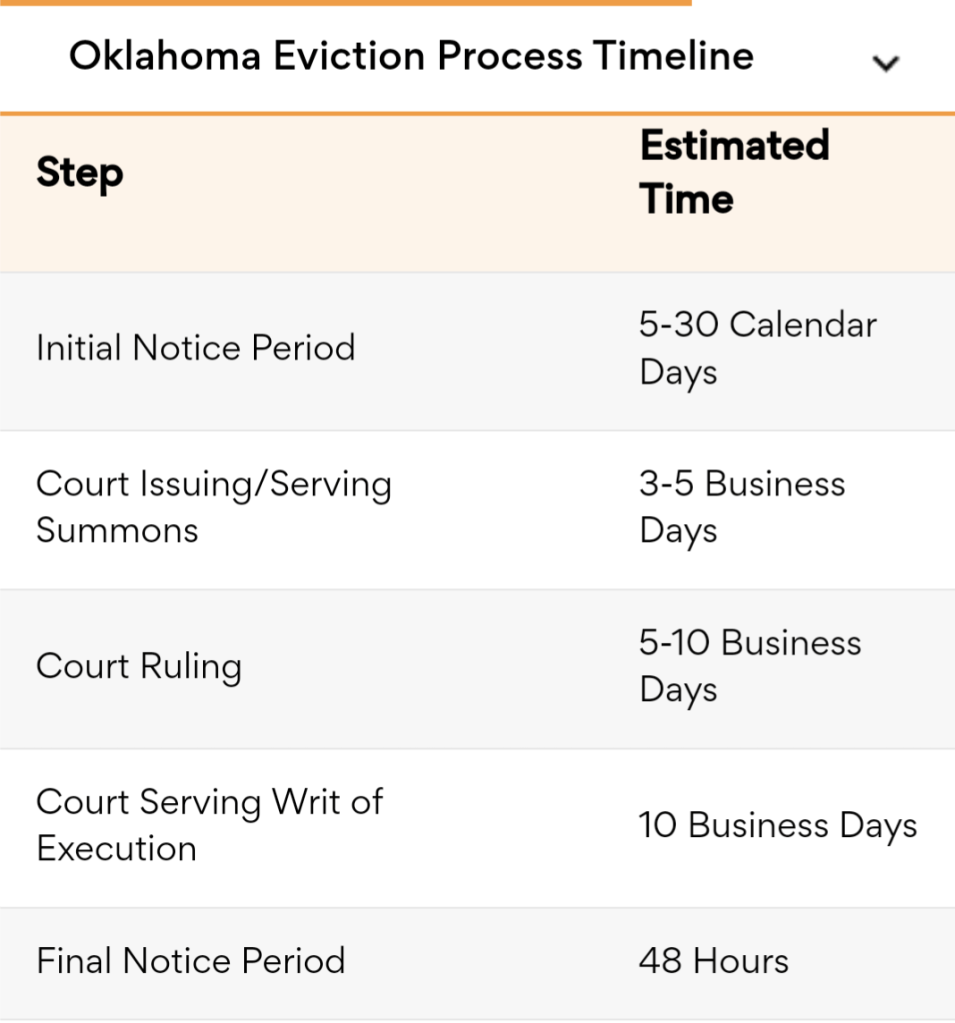
Oklahoma Eviction Process Timeline
In Oklahoma, an eviction can be completed in 2 to 7 weeks but can take longer depending on the reason for eviction, whether the eviction is contested, which days courts are (or aren’t) in session and other various possible delays.
Below are the parts of the Oklahoma eviction process outside the control of landlords for cases that go uncontested.
Oklahoma Eviction Court Fees
The cost of an eviction in Oklahoma for all filing, court, and service fees can vary heavily based on service and writ execution fees. For cases filed in District Court, the average cost is $274.