
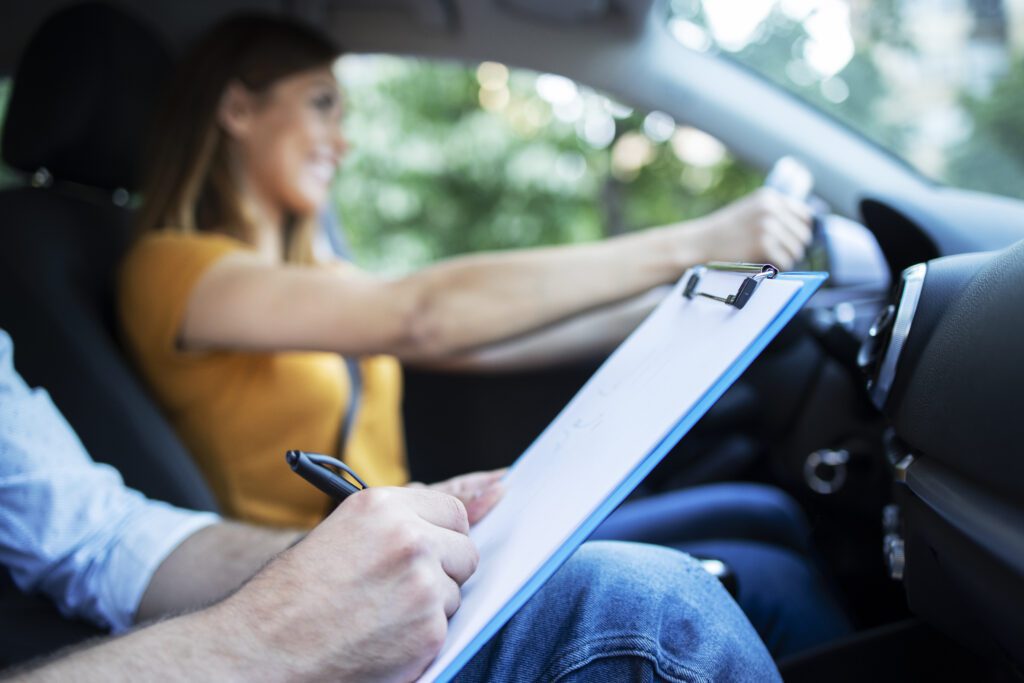

Accident Have damaging consequences
Accidents caused by irresponsible driving can have damaging consequences. Speeding, recklessness, and not being aware of the laws that govern pedestrians and other motorists may lead to tragedy. The good news is that you can easily reduce your risk of these types of accidents by practicing responsible driving and improving skills related to improving your awareness. Understanding of pedestrian laws, obeying traffic laws, taking practice traffic safety tests online, and avoiding speeding, you can significantly reduce the risk of an accident lurking on the horizon. Investing the right amount of time and care into your driving habits can help you keep your family and others safe on the roads. In this article post, we will cover all aspects of responsible driving to reduce your risk of accidents.
Definition of Responsible Driving
Responsible driving means being aware of your surroundings while on the roads and driving in an attentive and cautious manner. It also means that drivers adhere to speed limits and obey all traffic laws and regulations to ensure the safety of other drivers, pedestrians, and property. Responsible driving also involves avoiding distractions such as texting, eating, drinking, adjusting music or the radio, or other activities that take your focus away from the basic act of driving. All of these are essential for making sure that everyone is safe on the roads and for reducing the risk of accidents.
Benefits of Responsible Driving
Driving responsibly is a kindness to yourself and those around you. Not only is it morally correct and a sign of good citizenship, but it could also be a matter of life or death. Paying attention to traffic laws and respecting speed limits are great ways to ensure the safety of yourself and others. Driving responsibly can also reduce your overall risk of being involved in an accident as the chances of being impacted by another driver’s mistakes are minimized. This can reduce stress, save you money, and make you a better driver. Being responsible when driving will also allow you to be better aware of your surroundings and avoid any potential risks or surprises from oncoming traffic. Reducing distractions and practicing self-constitution while driving can help to minimize your chances of being involved in an accident. Responsible driving is not only an act of kindness, but it is also essential for your safety.
Reasons to Drive Responsibly
Obey Traffic Laws
Driving responsibly should always be a priority for drivers. Obeying traffic laws is a key component for safe and secure driving. Respect the speed limit at all times, ensuring everyone’s safety on the road. Slow speed also increases pedestrian awareness and creates a safer environment for everyone. When out on the roads, always keep in mind the speed limit and how you can protect the safety of both drivers and pedestrians. Make sure to obey traffic laws and drive responsibly at all times – it’s the right thing to do.
Slow Speed
Driving at a slow speed is an important measure of driver safety often overlooked by many drivers. Speeding not only risks you getting caught by traffic authorities, but also endangers the safety of yourself and other drivers. Therefore, obeying the speed limits set by a particular area is key to ensuring that the traffic is kept under control and driver safety is preserved. By driving at a slow speed, you could possibly avoid hazardous situations on the road and ensure that everyone, including yourself, reaches their destination safely.
Increase Pedestrian Awareness
Pedestrian Safety, 8 Safety Tips for Drivers
- Look out for pedestrians everywhere, at all times.
- Use extra caution when driving in hard-to-see conditions, such as nighttime or bad weather.
- Slow down and be prepared to stop when turning or otherwise entering a crosswalk.
- Yield to pedestrians in crosswalks and stop well back from the crosswalk to give other vehicles an opportunity to see the crossing pedestrians so they can stop too.
- Never pass vehicles stopped at a crosswalk. There may be people crossing where you can’t see.
- Never drive under the influence of alcohol and/or drugs.
- Follow the speed limit, especially around people on the street, in school zones and in neighborhoods where children are present.
- Be extra cautious when backing up and look for pedestrians.
8 Walking Safety Tips
- Follow the rules of the road and obey signs and signals.
- Walk on sidewalks whenever they are available.
- If there is no sidewalk, walk facing traffic and as far from traffic as possible.
- Cross streets at crosswalks or intersections. Look for cars in all directions, including those turning left or right.
- If a crosswalk or intersection is not available, locate a well-lit area where you have the best view of traffic. Wait for a gap in traffic that allows enough time to cross safely; continue watching for traffic as you cross.
- Watch for cars entering or exiting driveways, or backing up in parking lots.
- Avoid alcohol and drugs when walking; they impair your abilities and your judgment.
- Embrace walking as a healthy form of transportation – get up, get out and get moving.
Strategies to Practice Responsible Driving
Be Mindful of Surroundings
For many of us, driving is something we do daily to get to work, to run errands, or otherwise take care of responsibilities in our life. Whenever we take to the road, there is risk of an accident or an incident – both of which can result in costly damages and injuries. To minimize the risk, drivers should be mindful of their surroundings, pay attention to signage, and practice defensive driving. By doing these few things, you can significantly reduce your risk of being involved in an accident while out on the road.
Pay Attention to Signage
Being alert and aware of your immediate surroundings, watching out for possible obstacles, and heeding the directions provided by traffic signs all can help protect you and other drivers out on the road from a potential accident. Before you hop in the car, take a few moments to check your surroundings and plan your route ahead of time. That way, you can practice responsible driving, stay safe, and ensure your family’s safety on the road.
Practice Defensive Driving
The main benefit of the Smith System of driving is increased safety.
This system helps reduce accidents and incidents by optimizing the way you drive and increasing your awareness of what is happening on the road. As you very well know, while driving a truck a couple of seconds can make the difference between avoiding an accident or being in one.
1. Aim high. The first principle of the Smith System is to aim high while steering. Our eyes are meant to work for us at walking speed and not the high rates of speed of motor vehicles. In order to improve eye-lead time, you should look ahead to where you’ll be about 15 seconds into the future. This helps provide advanced warning of oncoming hazards and gives you more time to react. This is especially important when trying to avoid rear-end collisions.
2. The big picture. While you are looking 15 seconds ahead, you should also be scanning the sides and rear of your vehicle in order to get the full picture. By consistently updating your information, you will be alert to the most relevant information and make well-informed decisions. You should check at least one of your mirrors every 5-8 seconds. By having the whole picture, you are doing your part to keep your vehicle safe and avoid major accidents by noticing what other drivers are doing on the road.
3. Keep your eyes moving. Consistent eye movement prevents your body from entering a trance state and allows you to remain alert by stimulating brain activity. When you stare at any object for too long, you reduce your peripheral vision and increase your chances of missing something on the road. You should be moving our eyes every 2 seconds and scanning all intersections before driving through them.
4. Leave yourself an out. You should always leave yourself an out while driving. This means you should be surrounding your vehicle with space as much as possible. Do not follow other vehicles too closely and do your best to leave at least the front and one side open. You do not want other drivers to box you in because it reduces the chance of being able to avoid a hazard.
5. Make sure they see you. The final principle of the Smith System is to make sure other drivers see you. You should never assume another driver can see you or that they are concerned with driving safely. By getting eye contact from those who are seemingly unaware, you can avoid potential accidents. Use your blinker and your horn, if necessary, to alert others of your next move. When used correctly, the Smith System can reduce preventable accidents by 60 percent. By employing these tips, you can help drive safer every day.
Practice Traffic Safety Online
Take An Online Course
When it comes to safe driving, knowledge and practice are key components. Taking an online course is a great way to better understand traffic procedures and laws, increasing your chances of staying accident free on the roads. Not only can you learn about the dos and don’ts of responsible driving, but you can also stay up to date on any changes in your local laws.
Better Understand Traffic Procedures
Taking a course online also allows you to review the content at your own pace, creating a more comfortable learning environment. Once you have finished the brief course, you will have a much better understanding of what it takes to be a responsible driver.
Responsible Driving
Taking an online course can be a great way to practice traffic safety. By becoming aware of the driving regulations and studying the guidelines set forth by experts, you can be more conscious of your own actions while behind the wheel.
By reviewing proper driving procedures and dedicating yourself to making the roads a safer place, you can become a much better driver.


