
Bravery at the Zenith of Cowardice
Breaking the Silence: Confronting Societal Inequities and Systemic Oppression
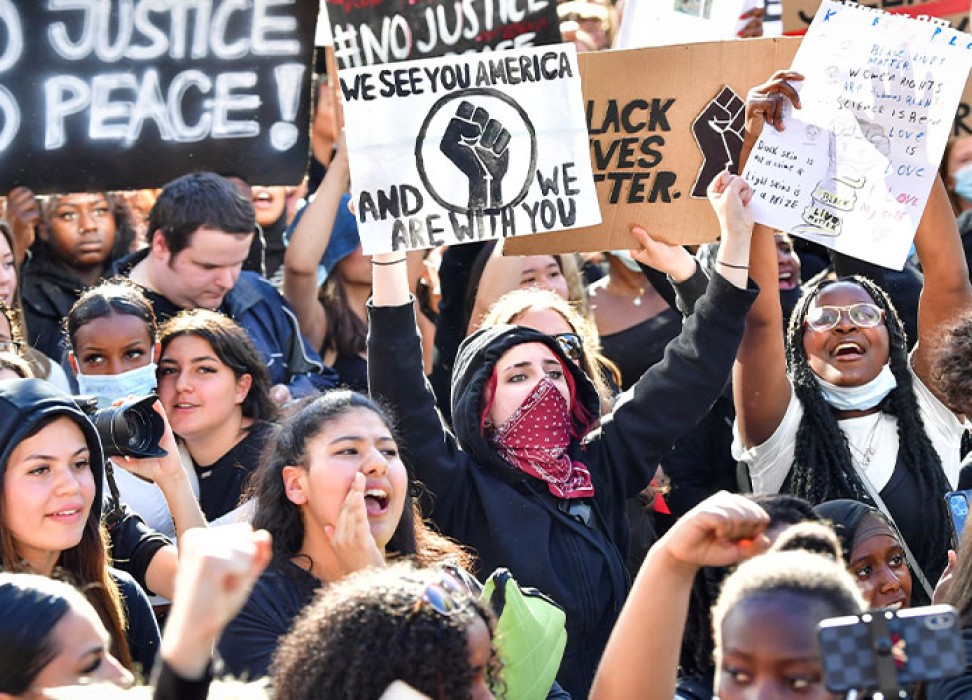
In today’s America, we are witnessing a momentous shift. After centuries of oppression and inequalities, we are finally breaking the silence and facing the uncomfortable truths of our societal structures. The systemic oppression which has bound us to overlook, ignore or deny injustice is “crumbling” underneath ‘the voices of marginalized communities growing louder and stronger, demanding justice and equality.”
Too many seconds; minutes; hours; and days we have passed, allowing authorized systemic oppression to persist in our societies. From racism, sexism, homophobia, classism, ableism, and all other forms of oppression, we have normalized the discriminatory structures that have kept minority communities at a disadvantage. It is time to confront the systems that have upheld these structures and have never demanded “real change.”
To break the silence is not an easy task, it requires courage, humility, and a willingness to learn and unlearn. But, in doing so, we can begin to dismantle the precient inequality systems; chip-away at perpetuated inequality; and move towards a more just society. Only by acknowledging and addressing the negative freedoms of inequities, can we build structurally sound foundations of acutely aware perceptions that are truly inclusive, equitable and just for eveyone in our American society.
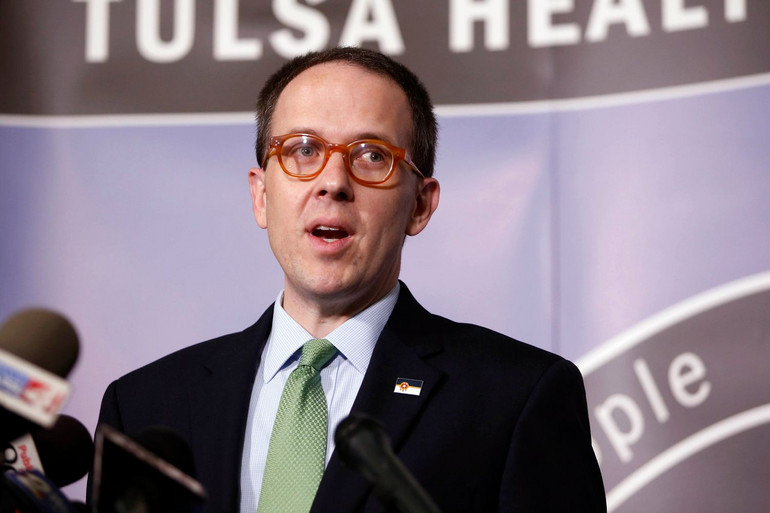
Tulsa Mayor G.T. Bynum’s uncle, grandfather and great-great grandfather all held the same position. Elected in the summer of 2016, Bynum seemed eager to bridge racial divides that have lingered for nearly a century. He declared he wanted “One Tulsa,” and launched a fact-gathering mission to quantify racial disparities in such areas as policing, education and housing, and created the Mayor’s Office of Resilience and Equity to pilot reforms.
“Conversations – are not still remaining;” We must say something about changing others or their beliefs when they cause mistrust and grave malfeasance, but also about looking inward at our own biases and contributing to the society we wish to see. The task ahead of us is daunting, but we must not be discouraged. With perseverance, empathy, and a commitment to change, we can break the silence and confront the societal inequities and systemic oppression that hold us back.
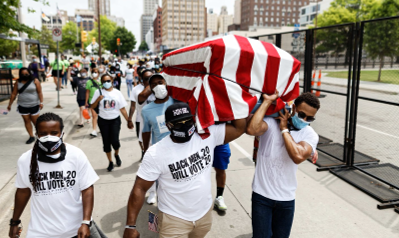
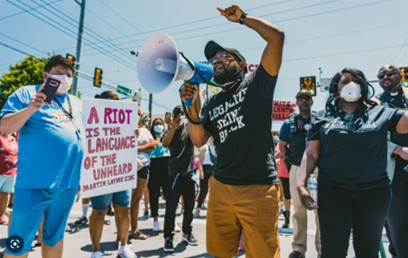
Resistance to multifaceted issues that involves acknowledging and addressing the ways in which scientific research and reporting can perpetuate and reinforce inequalities is an infinite constant.
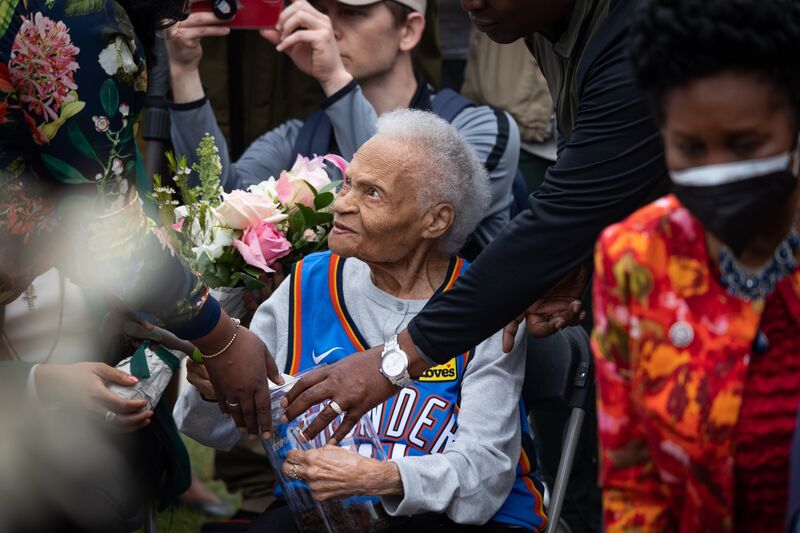
Attention to resistance requires recognizing that science and research are not neutral or objective, but rather are influenced by social and cultural biases that have historically excluded certain populations and perspectives
To break the status quo that perpetuates societal inequities and systemic oppression, it is essential to promote diversity and inclusivity in research teams and funding organizations. This includes prioritizing funding and resources for research on issues of social justice and equity, and actively seeking out perspectives and input from marginalized communities.
Additionally, it is important to critically examine the language and messaging used in scientific reporting and to question assumptions and biases that may be hiding behind seemingly objective data. This includes recognizing the ways in which scientific discourse can be co-opted by political agendas or used to justify discriminatory policies.

Is it plausible to require a genuine and sustainable commitment to social justice and equity as core values of scientific practice?

In 2021, the world witnessed a cultural reckoning on racial injustice and inequality, sparked by the needless death of George Floyd.
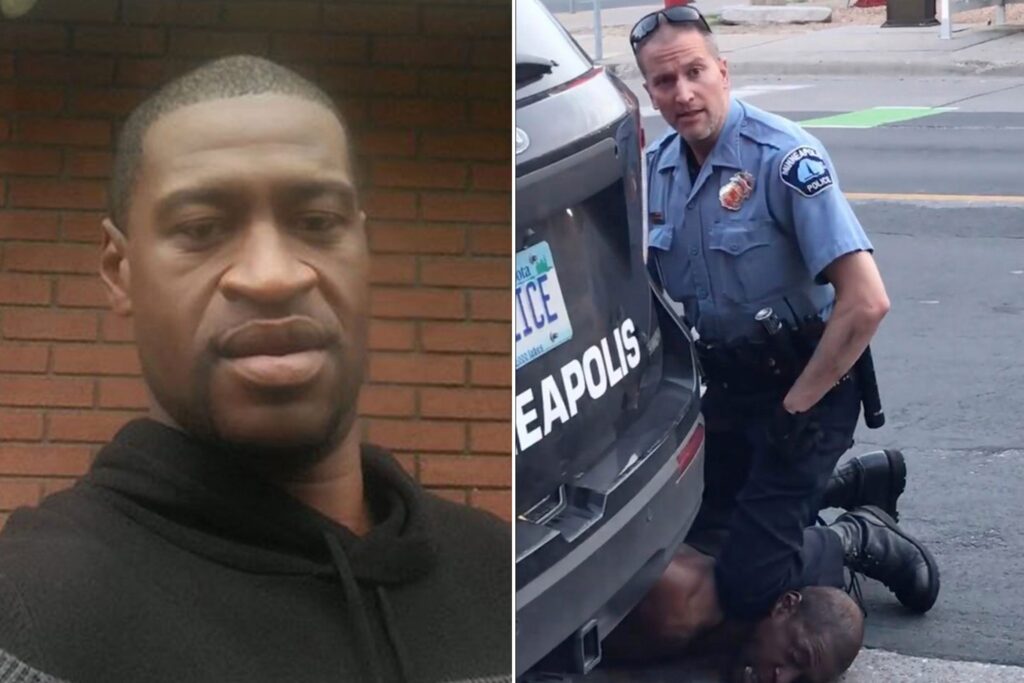
Although, it’s not just Minneapolis where the conversation is being noticed. Tulsa, Oklahoma has had a long and painful history with race relations, but in 2023, we are proud to say that the city has made significant progress in addressing systemic racism and promoting inclusivity.
It’s no secret that Tulsa, Oklahoma has a troubled past.
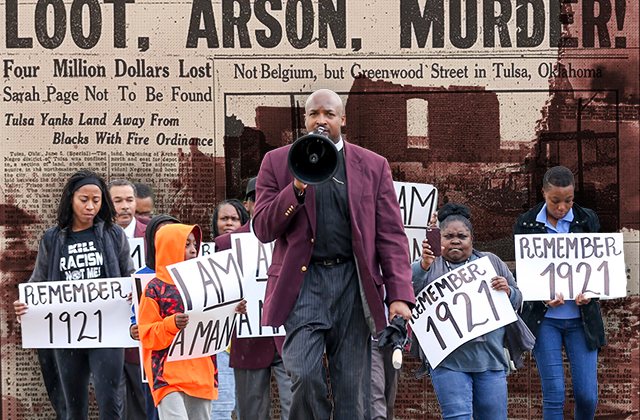
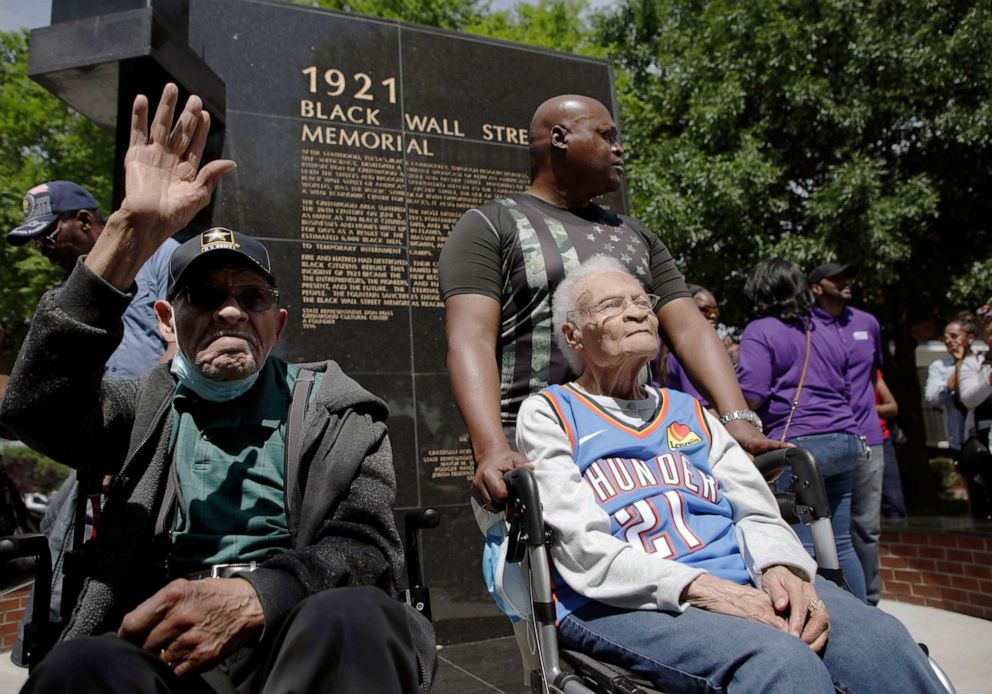
The city was the site of one of the deadliest acts of racial violence in American history, the Tulsa Race Massacre of 1921, which decimated the thriving Black community of Greenwood. 2021 marked the 100 years since the infamous 1921 massacre in Tulsa, in which white mobs unleashed violence against the city’s Black people, Black institutions, and Black wealth. An estimated 300 people were killed and approximately 35 acres of commercial and residential property within the Greenwood District—known as Black Wall Street—were destroyed. For years, the incident was swept under the rug, and the city’s leaders pushed a narrative of a progressive, post-racial society denying the very real systemic racism that existed.
But in the years since, the people of Tulsa have acknowledged errible events of 1921 which began with false rape charges against a Black resident, covered by media, making due process impossible. Threats of lynching and clashes between armed groups, specifically Black residents seeking to protect themselves and white groups seeking vigilante justice occurred. On May 31, fraught interactions, led to horrific violence.
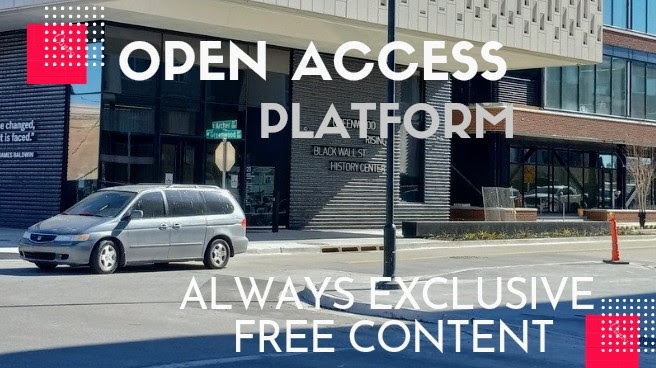
All Tulsans are now working towards a brighter future. One of the most visible examples of the city’s commitment to progress has been the creation of the Greenwood Rising museum and cultural center, which tells the story of the Tulsa Race Massacre in an unflinching but empathetic way. Visitors can immerse themselves in the history of the neighborhood and learn about the efforts to rebuild and move beyond the tragedy.
Beyond the museum, Tulsa has made significant strides in addressing systemic racism. Mayor Bynum’s office has made a commitment to diversifying city leadership, and the City Council has passed legislation aimed at reducing disparities in education, healthcare, and criminal justice. Additionally, local social justice groups are working to expand access to affordable housing in historically Black neighborhoods and provide resources for small business development.
But perhaps most importantly, Tulsa’s residents are stepping up to lead the charge for change. Community-led initiatives like the Black Wall Street Legacy Festival and the Juneteenth celebrations draw people from all around the country to celebrate Tulsa’s Black heritage and demand justice, while local advocacy groups are mobilizing to create political change.
Of course, Tulsa still has a long way to go before it can truly claim to be a city where everyone has the same opportunities and access to resources. But the progress made since 2021 is undeniable, and it gives hope for a future where a racially-equitable Tulsa is not just a dream, but a reality. The City of Tulsa should be commended for its efforts, and we are excited to see what the future holds for this vibrant and diverse community.
Statistical analysis of various Equality Indicators (EI) in 2023 reveals Tulsa, Oklahoma has taken significant measures to address systemic racism and promote inclusivity, as evidenced by the implementation of city-wide,Equal Employment Opportunity Commissions (EEOC) Diversity, Equity & Inclusion (D.E. & I.) policies; Working in Neighborhoods (WIN) acculturation programs; and various Justice Department (Civil Liberties Commissions – Tulsa Race Massacre).
Deeper comparative alliterations truly addressing unique Tulsa Citizenships’ Voices and exploring “The Cross-Cultural Knowledge Bankruptcy Gap equates to diversity and inclusivity in the workplace. For instance, data shows that the percentage of minority employees in the city’s workforce has increased significantly since 2020. According to a survey conducted in 2023, the percentage of minority employees in the city’s workforce has risen by 23%, from 18% in 2020 to 41% as of 2023.
Furthermore, the city has worked to increase the diversity of its leadership, with more people of color in positions of power. According to data collected by the local government, the number of people of color in leadership positions has increased by 17% since 2020.
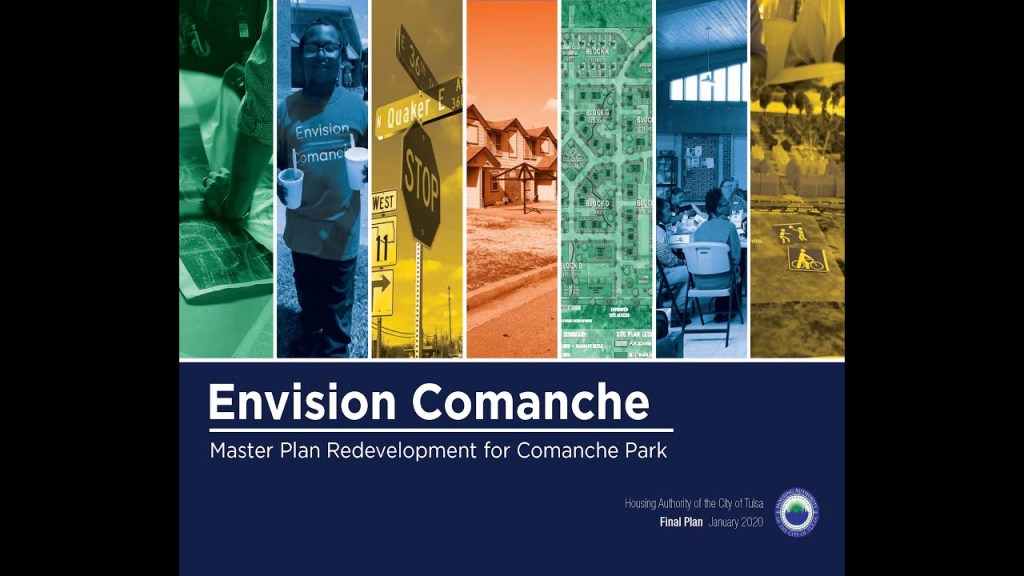
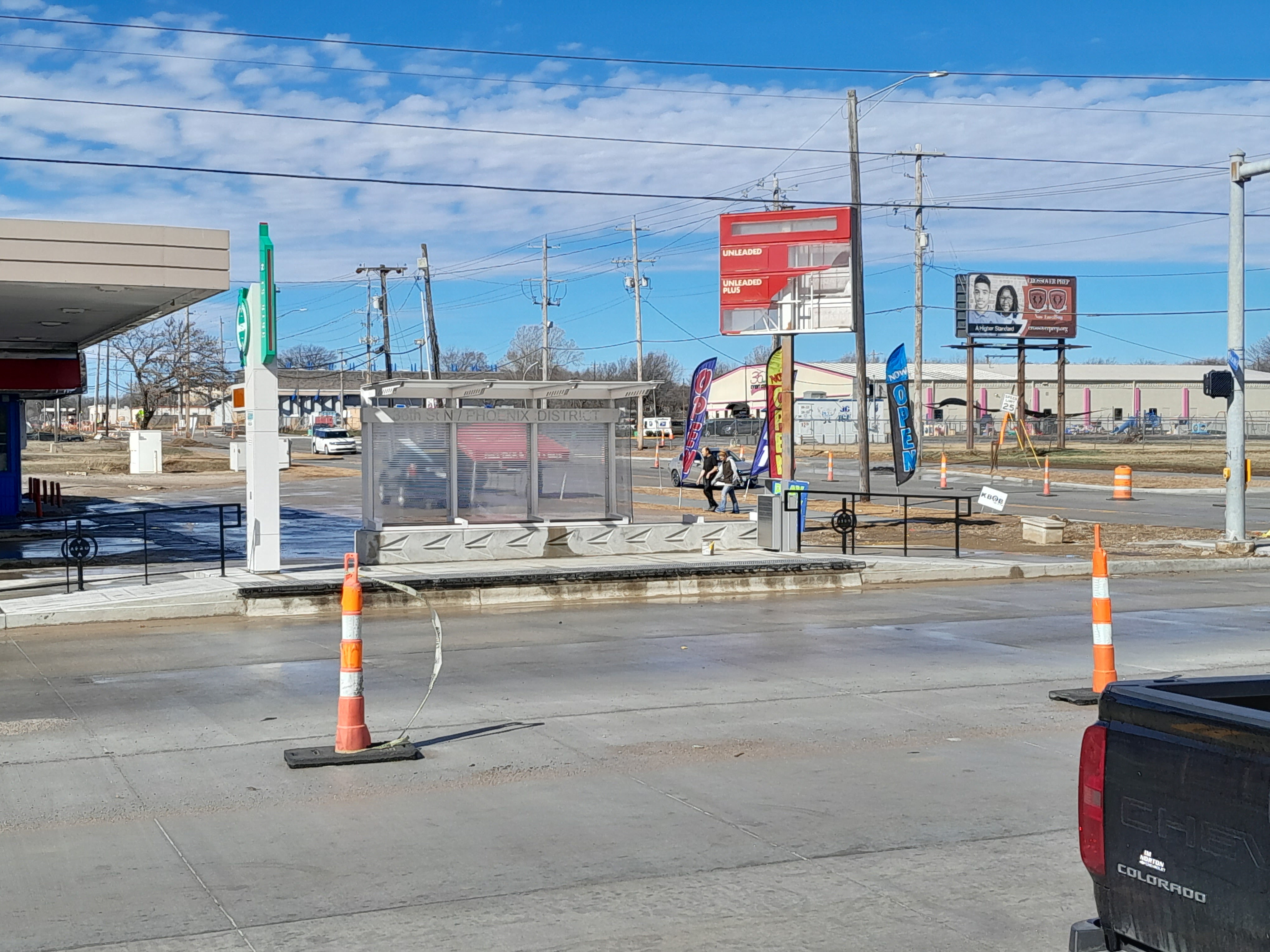
In addition to these measures, Tulsa has also taken “significant-adjacent steps” to improve the quality of life for minority communities. One example of this is the “Envision Commanche,” $191M Housing Re-Investment Strategy, on 36th St. N in Tulsa, OK. Envision Commanche is one of several increases in affordable housing project commitments throughout The City Of Tulsa for low-income and minority residents.
The city has allocated 25% of its budget towards developing affordable housing, which has been instrumental in reducing residents’ housing burdens. Additionally, several newly elected Tulsa District Commissioners platformed on the Housing Crisis in Tulsa, OK and won seated elections.
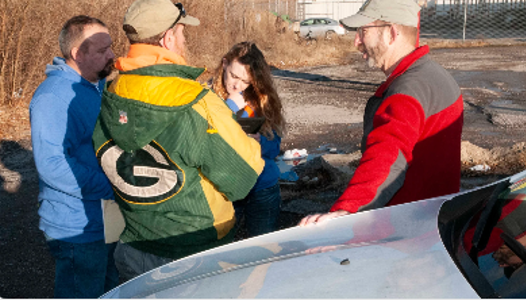
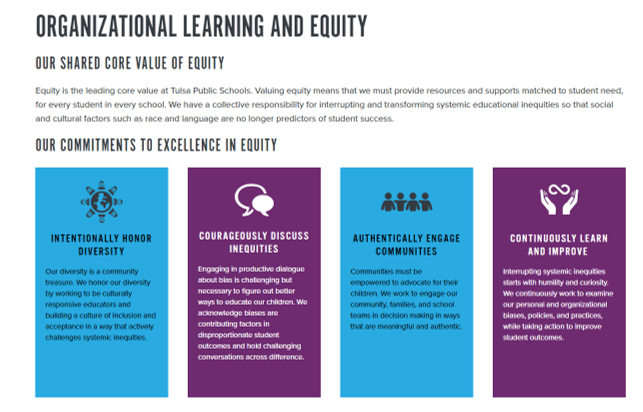
Another crucial strategy to address systemic racism was in the creation of a task force to promote equity in the Tulsa Public education system.

Often our community actions are not as rigorously efficacious as planned.
Take a closer look at The Tulsa Public School Administrations methodical-approach helping build a contextual, focused, data-driven analysis communicating and responding to changing needs of minority students in all Oklahoma School Districts, while also maintaining transparency.
Tulsa is the second-largest city in Oklahoma and one of the 50 largest cities in the United States.
Tulsa Public Schools educates nearly 33,000 students across 77 schools and employs nearly 6,000 teachers, administrators, and staff members across the district.
As of the 2020–21 academic year, 37% of the district’s students were Hispanic/Latinx, 23% were Black, 23% were White, 10% were multiracial, 5% were American Indian, and 2% were Asian or Pacific Islander.
The median household income for the city of Tulsa is $47,650, 81% of students are economically disadvantaged, and 26% are English learners.
The task force has been working relentlessly to address the achievement gap between students of color and their white counterparts by implementing targeted programs and providing resources to minority students.
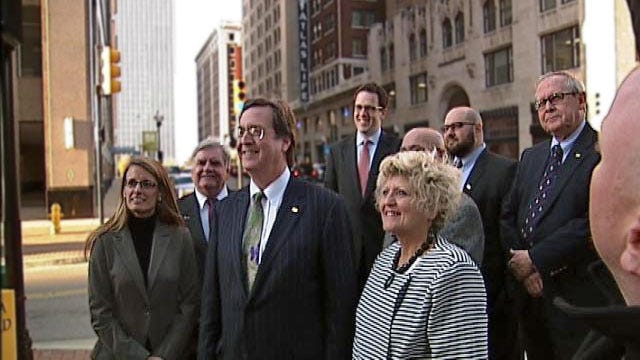
The 7 new councilors, and 2 incumbents, will have more of these informal gatherings over the next month – including dinner at the Mayor’s house. Mayor Bartlett says he’s expecting big changes with the turnover on the council. For one thing – he plans to start going to council meetings again. “When it’s appropriate, I’d like to be at all the council meetings. I do see some good opportunities to talk one on one with people and I think that’s going to happen more often,” Bartlett said. The disagreements between Mayor Bartlett and the current City Council ended up in court several times, but more often ended with hard feelings. Bartlett doesn’t expect any more of that and for now is holding off on some new plans, to avoid dealing with the current councilors.
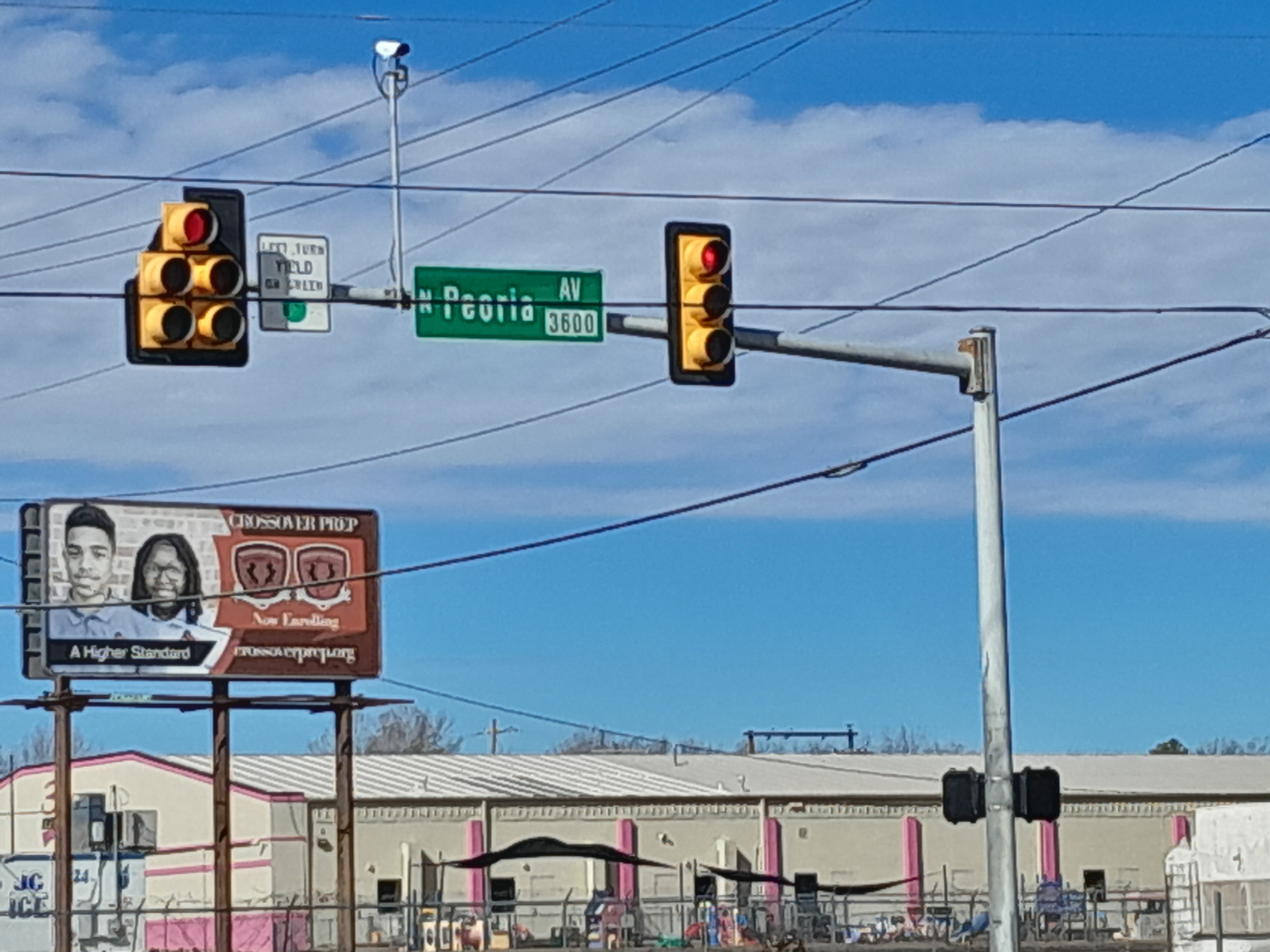
Personally, I’ve attended several inclusivity outreach events in all corridors of Tulsa Seven (7) Districts. The city has instituted regular public community meetings where residents can voice their concerns and provide feedback on the city’s programs and initiatives. There is a City of Tulsa “Open Reporting Line.” Civil meetings have been instrumental in creating a sense of unity and ensuring that all voices in Tulsa, Oklahoma are heard. Community panels are available and numerous instrumental time contributions are always welcomed.
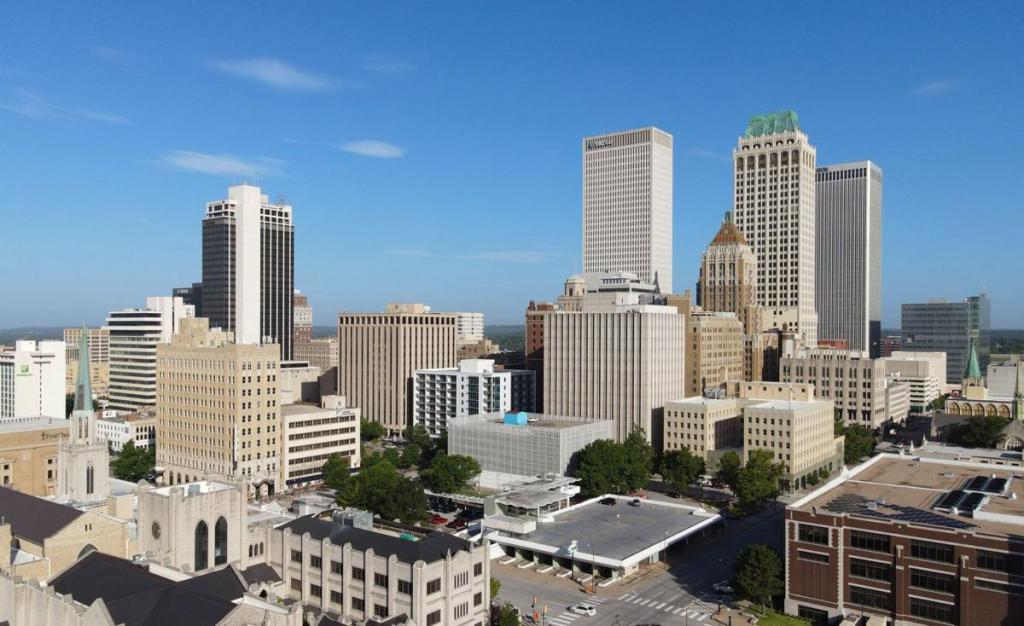
Tulsa, Oklahoma, has embraced systemic changes to address racism and promote inclusivity in 2023.
The city’s efforts are evident through the diversification of its workforce, leadership, and housing, as well as its commitment to improving education and holding regular community meetings.
These efforts have enabled “micro-scheduling,” within “knowledge adverse” climates. Modular Environment’s (ME) found in-equitable and non-inclusive, are turning the page forward to the next chapter. Tulsans are finally becoming Social Advocates for other Citizenships’ grappling with similar challenges.


One thought on “Confronting Organization Equity Problems”