


Marginalized Neighborhoods residents also have a greater need for walkable neighborhoods and non-motorized transportation.
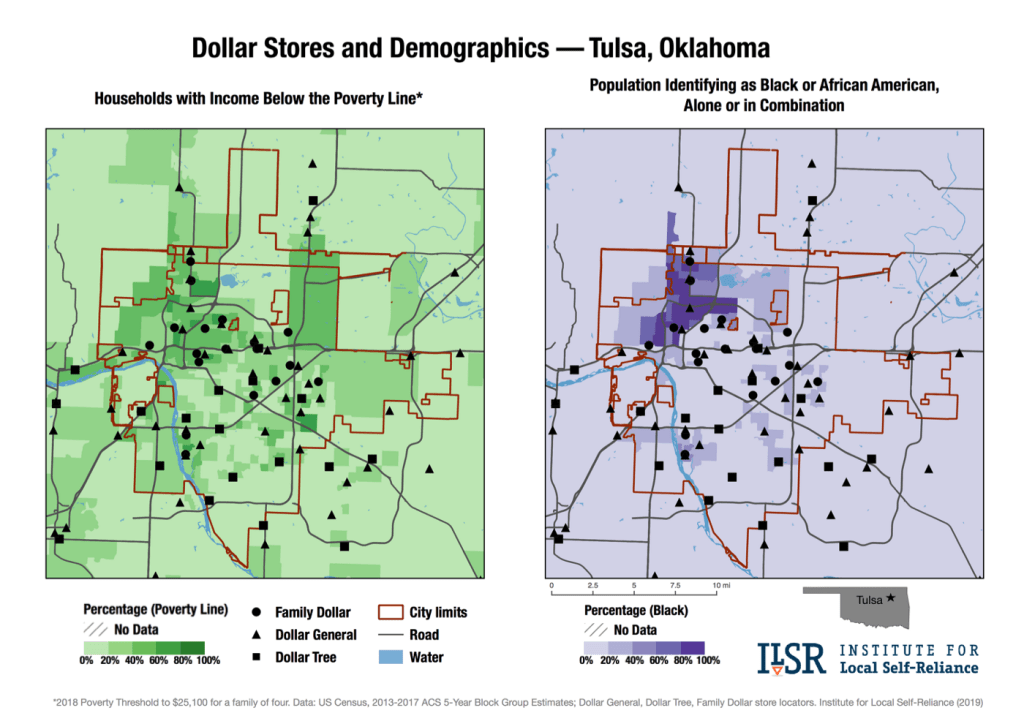
Current law leaves the funding of sidewalks to property owners. Unfortunately many of the
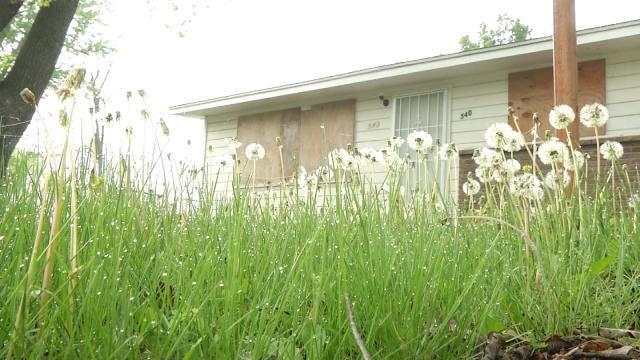
Neighborhoods without sidewalks and proper street lighting, also have older or lower income residents, high-rental property occupancy or large number of tax lien abatements/ abandoned inhabitable properties. The residents in these marginalized neighborhoods have fewer resources to pay for privatized sidewalk projects or additional lighting structures.
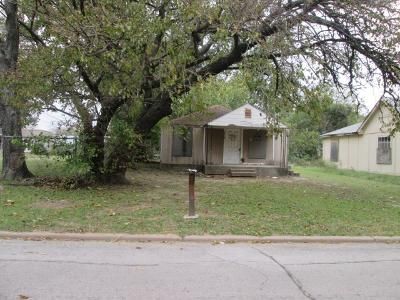
The city should develop a plan and a deadline to put sidewalks in all neighborhoods, and identify funding to cover the cost for all property owners regardless of income barriers.
Residents with subsistence dependencies may not have the necessary resources to re-design MUTC or structural sidewalk barriers on their own.
Target Area: Marginalized Neighborhoods
1. Sidewalks: Many of our neighborhoods were developed on unincorporated land and annexed into the city after the fact.
Consequently, they often lack sidewalks and have unimproved roads with ditches instead of curbs and gutters.
Most notable examples:
Neighborhoods that historically have high poverty, crime, food deprivation, under- developed workforce relationships and few industries related to business services.
*Priority should be given to sidewalks along transit corridors or on streets that connect neighborhoods to transit stops.
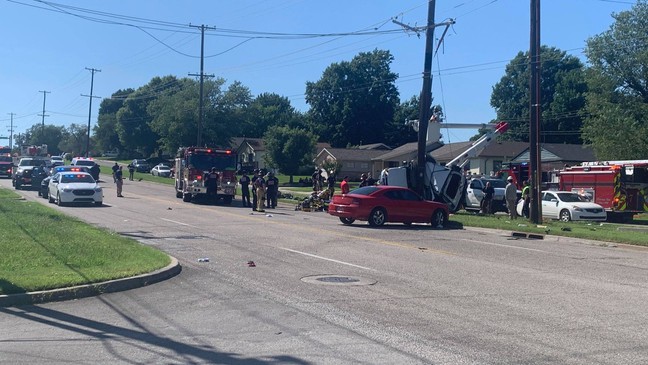
2. Crosswalks: Current crosswalk design suffers from poor visibility.
Two narrow lines are too little for motorists to notice. Traffic signal layout and timing is often confusing and hostile towards pedestrians.
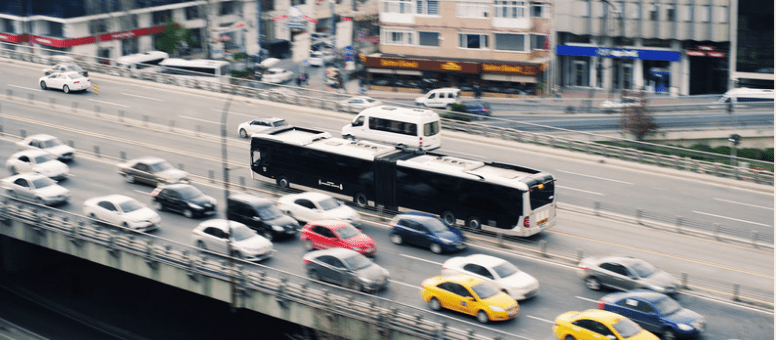
The city should consider creative ways to increase crosswalk visibility, such as raised crosswalks, speed tables, and other traffic calming elements.
The city planners and engineering departments should also improve the design and timing of traffic lights.
Finally, the Police Department should be given the direction and resources to enforce crosswalk laws.
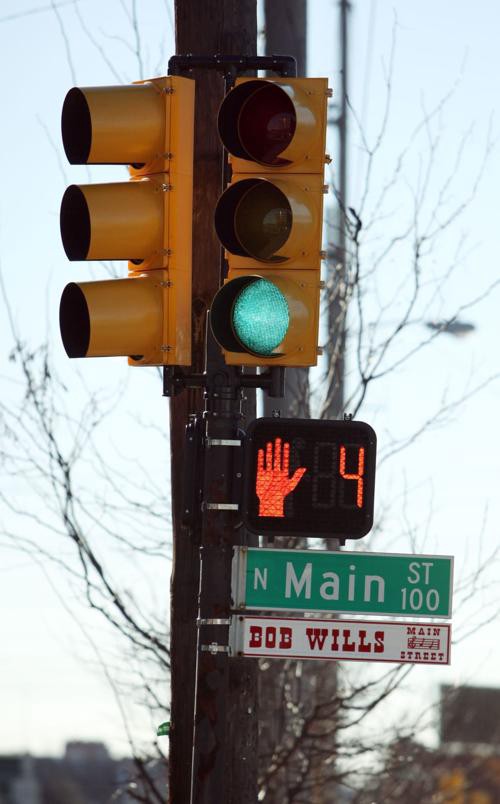
3. Traffic Signals: The city suffers from inconsistent traffic signal design.
Usability issues confuse both motorists and pedestrians about proper behavior.
*All traffic signals should include a walk cycle automatically.
When a pedestrian pushes the walk button the signal should change to walk as soon as possible and allow extra time for crossing.
*Additionally, some of the crosswalk intersections have signaling designs that are outdated, out-of-service or non-functioning.
The city must continually inspect the older intersections for proper function.
Pedestrian crosswalk intersections must ensure functional design efficiency for effective organized travel.


You make some very valid points here. In a perfect world all of these suggestions would be reality! Thank you for visiting JanBeek and leaving your calling card. Have a Terrific Tuesday!
LikeLike