



[This is a draft synopsis of an original manuscript now available.]



OPIOID ABUSE ADDICTION IS ONE OF THE GREATEST THREATS TO THE SECURITY OF AMERICA.
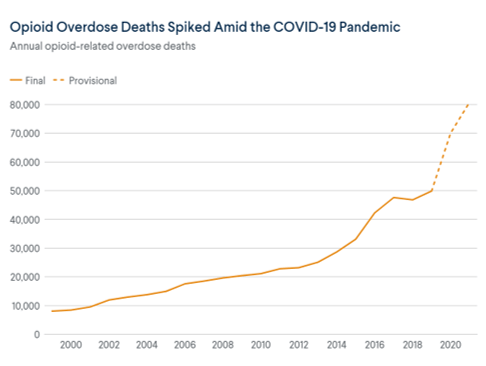
“Each day, approximately 122 people in the United States die from an opioid-involved overdose (and roughly 188 people die from all drug overdoses combined). The misuse and abuse of opioids—primarily illicit synthetic opioids such as fentanyl, alongside prescription pain relievers and heroin—remains a serious national crisis affecting public health, social stability, and economic welfare.”
- More than 122 people die every day from opioid overdoses.
- Overall life expectancy in the U.S. has declined since 2019 due in large part to the opioid epidemic.
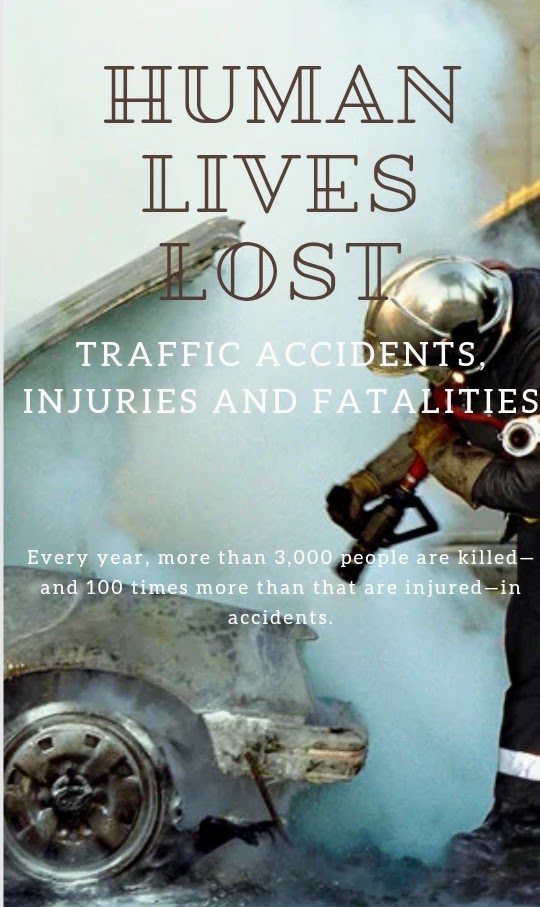
- Overdoses kill more Americans than car crashes or gun violence.
- Opioid addiction obviously contributes to prison sentencing. And the CDC reported in 2010, 85% of the U.S. prison population was incarcerated for substance-related reasons, with over half of all inmates diagnosed with substance use disorders.
Disadvantaged groups often face issues of safety and violence at higher rates than others in the community, but this is not always the case.

According to the Kaiser Foundation, “The vast majority of those who overdose on opioids are non-Hispanic white Americans, who made up close to 70 percent of the annual total in 2020. Black Americans and Hispanic Americans accounted for about 17 and 12 percent of cases, respectively.
Economists Anne Case and Angus Deaton have argued that the rise in what they call “deaths of despair”—which include drug overdoses, particularly among white Americans without college degrees—is primarily the result of wages stagnating over the last four decades and a decline in available jobs.



Children in Tulsa County experience abuse and neglect at higher rates than the national average. Additionally, there are racial disparities in homicide victimization and large disparities by region of the city in DVIS calls.
NPR published a study in which the study authors call for an “anti racist public health approach” to address the crisis in Black communities.
The study, conducted in partnership with the National Institute on Drug Abuse at the National Institutes of Health, analyzed overdose data and death certificates from four states: Kentucky, Ohio, Massachusetts and New York. It found that the rate of opioid deaths among Black people increased by 38% from 2018 to 2019, while rates for other racial and ethnic groups did not rise.


The PACE TULSA NETWORK manuscript called, “Opioid Abuse & Poverty is not Fate,” explores some of the more complex issues challenging people impacted by drug counterculture. In 2018, an estimated 2 million people in the United States suffered from substance use disorders. Shatterproof.org reports that “Addiction costs our country more than $740 billion each year.
The costs keep rising. We’re hemorrhaging money on this crisis, and all that spending is not doing much to protect our loved ones.”
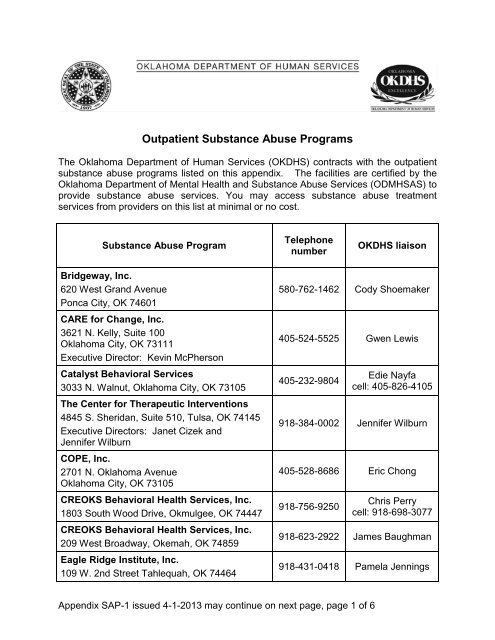
For Opioid Abuse Addiction Resources:
For the full paper contact PTN by email: information@pacetulsa.com

COPYRIGHT | 2022 © PACE AGS FOUNDATION. “Pedestrian Awareness Crosswalk Education is an online think-tank intersecting awareness of public transportation policy in the United States.”


