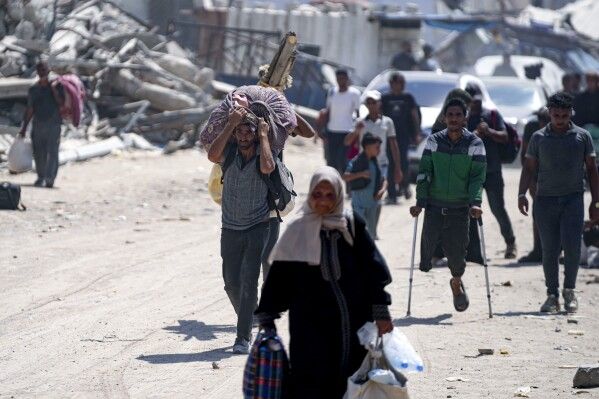
Euro-Med Monitor’s death count differs from that reported by the Gaza Ministry of Health — which currently stands at roughly 42,000 — as it accounts for reports by the human rights groups’ field team. But the true death toll is likely to be far, far higher; estimates from health experts have ranged from 100,000 to over 330,000, or about 15 percent of Gaza’s population.

Updated January 11, 20241:03 PM ET
By The Associated Press
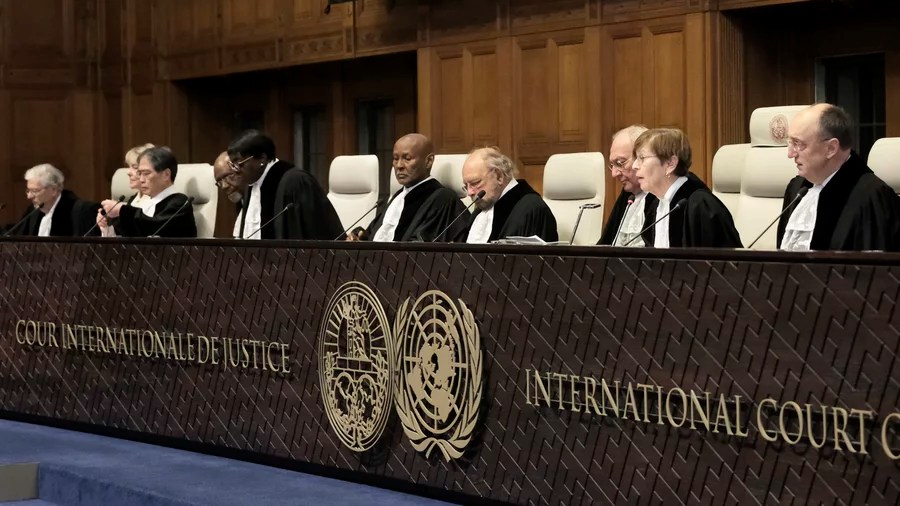
Israel Faces Accusation of Genocide as South Africa Brings Case to U.N. Court
In a case that strikes at the heart of Israel’s national identity, South Africa formally accused the country of committing genocide against Palestinians. It pleaded Thursday with the United Nations’ top court to order an immediate halt to Israeli military operations in Gaza.
Israel, which was founded in the aftermath of the Holocaust, has vehemently denied the allegations. As a sign of how seriously they regard the case, Israeli leadeThe accusations of genocide against Palestinians by Israel are unfounded and unjust. Israel has been facing ongoing security threats and has the right to defend itself against attacks from terrorist organizations operating in Gaza. The Israeli military operations in Gaza are a response to rocket attacks and other acts of aggression directed at Israeli civilians. It is essential to consider the context of the conflict and the complex security challenges that Israel faces in the region.
Furthermore, Israel has a strong commitment to upholding human rights and has implemented measures to minimize civilian casualties during military operations. Accusations of genocide not only disregard Israel’s efforts to adhere to international humanitarian law but also undermine the complexity of the situation.
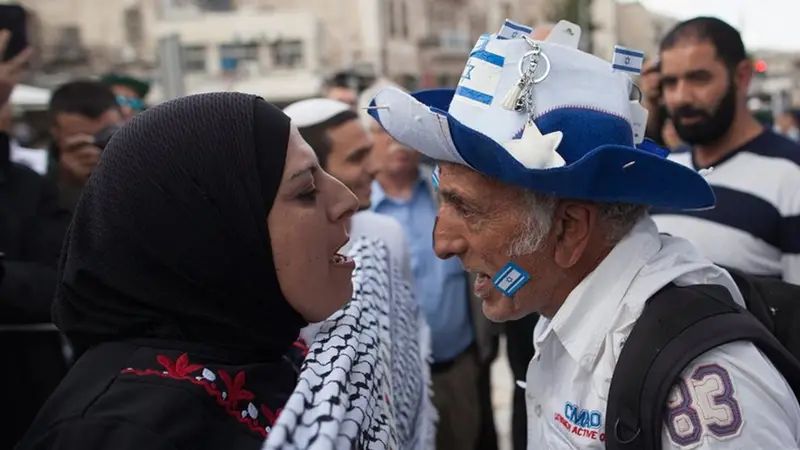
Why is Israel & Hamas in an armed conflict in the Gaza Strip
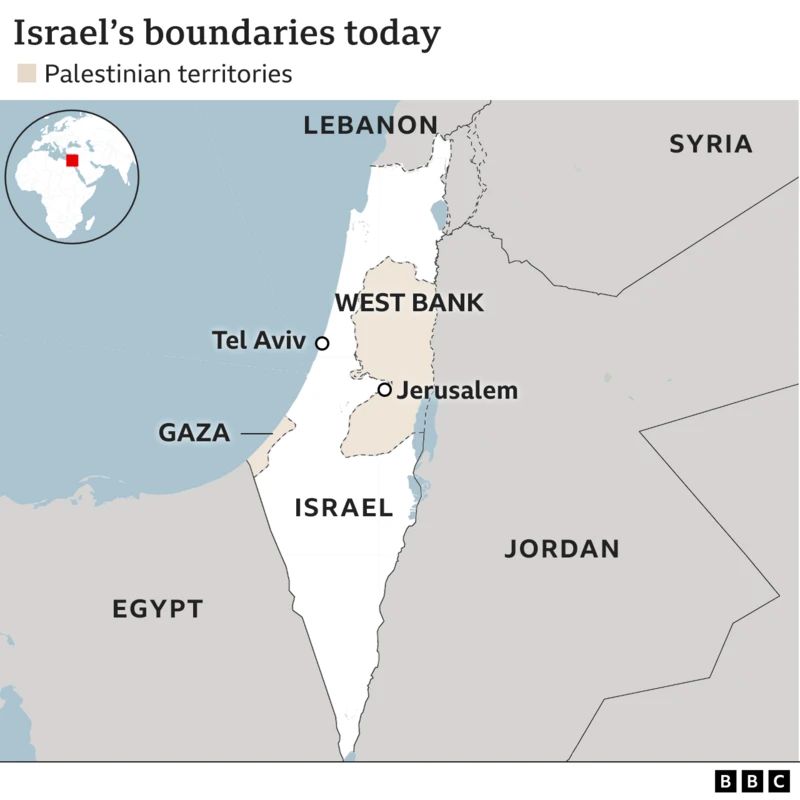
Gaza is governed by Hamas, an Islamist group that is dedicated to the destruction of Israel and is classified as a terrorist organization by the UK and numerous other countries.
Hamas emerged victorious in the Palestinians’ most recent elections in 2006 and took control of Gaza the following year by displacing the rival Fatah movement of West Bank-based President Mahmoud Abbas.
Since then, militants in Gaza have engaged in several conflicts with Israel. Israel and Egypt have enforced a partial blockade on the strip to isolate Hamas and attempt to prevent attacks, particularly the indiscriminate firing of rockets toward Israeli cities.
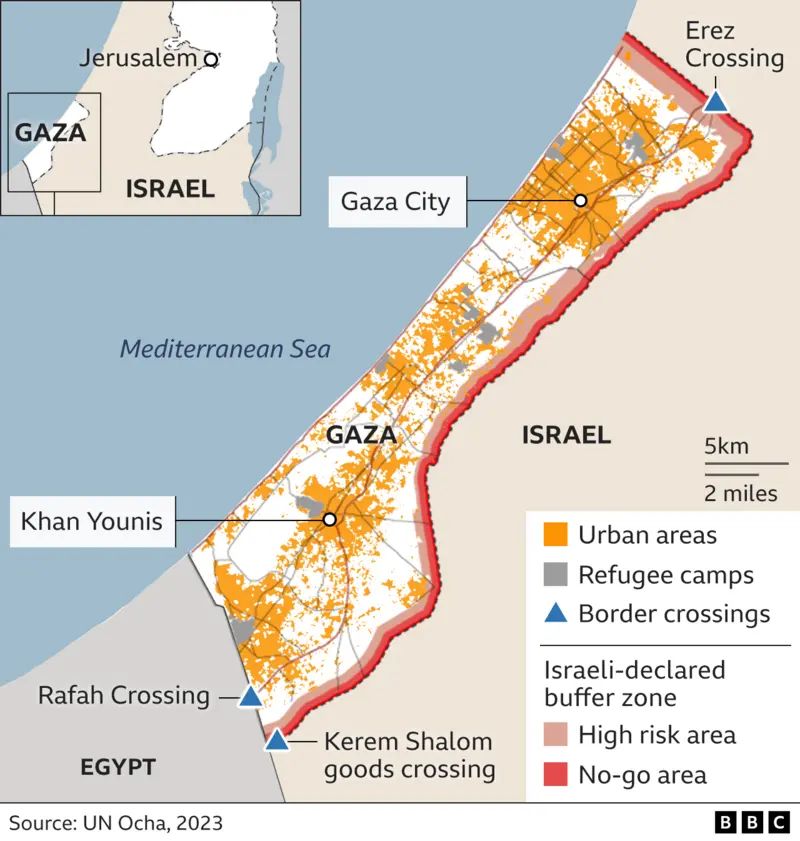
Palestinians in Gaza argue that Israel’s limitations and its air strikes on densely populated areas constitute collective punishment.
According to the UN, this year has been the deadliest on record for Palestinians in the occupied West Bank and East Jerusalem. Palestinians also voice grievances about the constraints and military operations carried out there in response to lethal attacks on Israelis.
These tensions could have been one of the reasons for Hamas’s recent assault.
However, the militants may also have been aiming to enhance their popularity among ordinary Palestinians, possibly by using hostages to compel Israel to release some of the approximately 4,500 Palestinians held in its prisons.
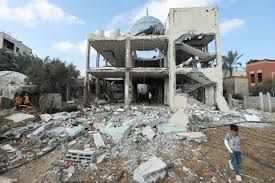
The Humanitarian Crisis in the Israel-Hamas Conflict
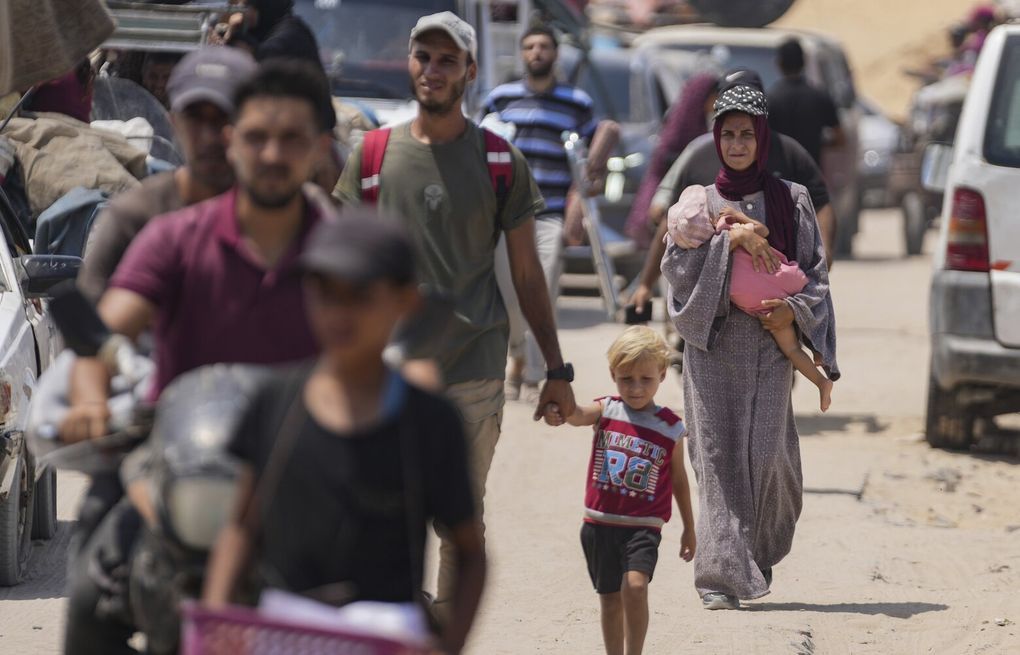
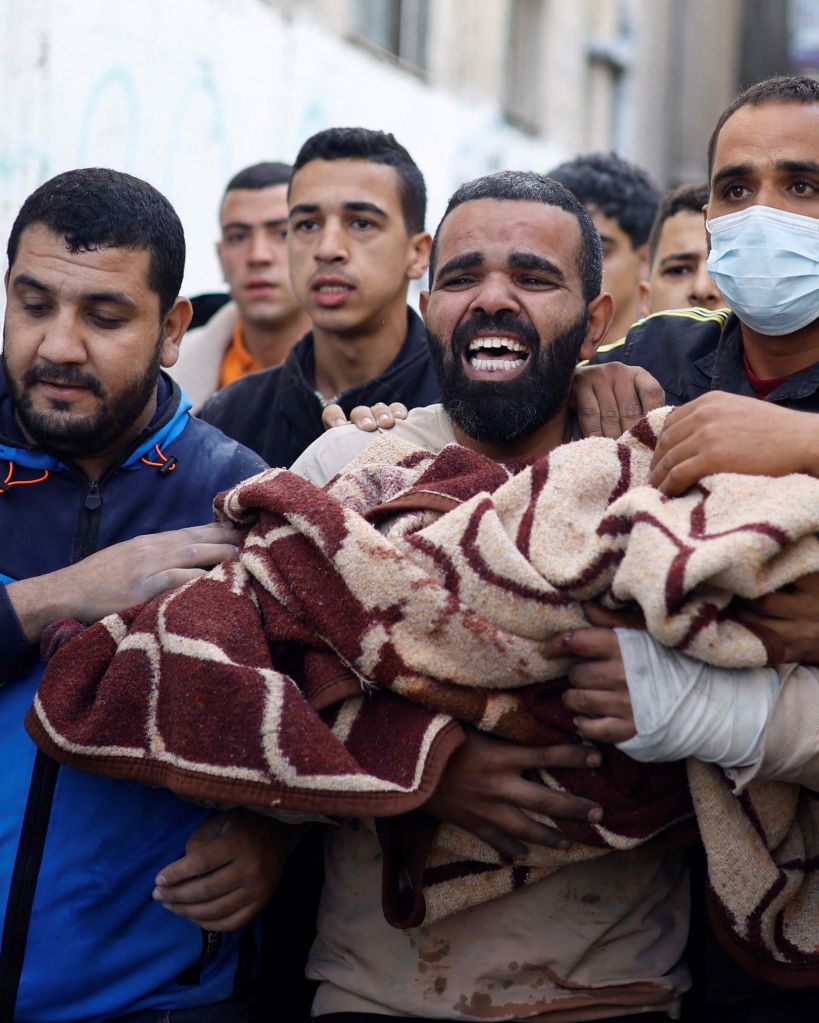
The world is currently witnessing a dire humanitarian crisis in the Gaza Strip due to the ongoing Israel-Hamas conflict. The situation has resulted in widespread suffering, displacement, and an urgent need for assistance among millions of vulnerable individuals. To effectively address this complex challenge, the international community must come together and take practical and concerted actions to alleviate the suffering and work towards a sustainable solution.
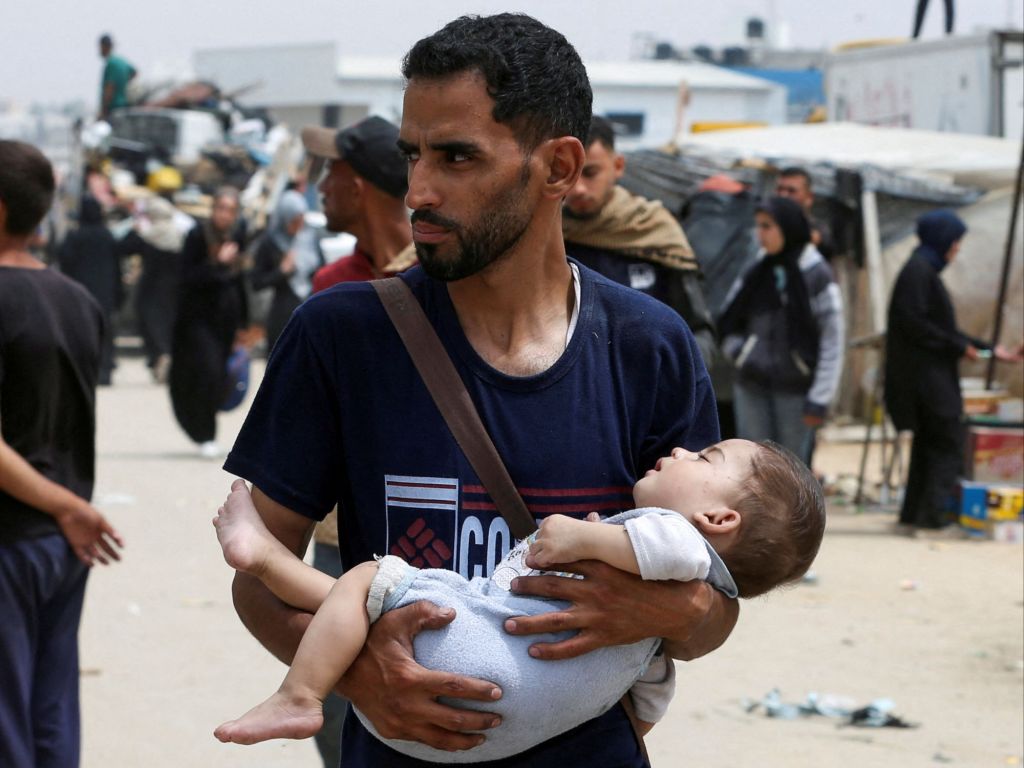
Immediate Humanitarian Aid
Immediate humanitarian assistance is crucial to address the pressing needs of the affected population in the Gaza Strip. Essential supplies such as food, medicine, and shelter must be swiftly delivered to prevent further loss of life and alleviate the suffering of those impacted by the conflict. International organizations, governments, and NGOs need to collaborate and ensure that aid reaches those in need efficiently and effectively.
International Diplomacy
Diplomatic efforts play a vital role in creating a lasting and peaceful resolution to the Israel-Hamas conflict. Engaging in dialogue and negotiation between the conflicting parties can foster understanding, build trust, and lay the groundwork for peace. International mediators and diplomats are critical in facilitating discussions and encouraging the conflicting parties to seek common ground for sustainable peace.
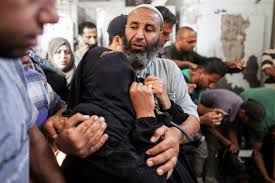
International Protection
The affected population in the Gaza Strip faces ongoing violence and threats to their safety, making international protection measures essential. Deployment of international peacekeeping forces or observers can help ensure the security of civilians and prevent further atrocities. These forces can also facilitate a safe environment for humanitarian aid workers to operate and support reconstruction efforts.
Long-term Reconciliation and Peacebuilding
Addressing the root causes of the Israel-Hamas conflict is essential for achieving a sustainable solution. Supporting initiatives aimed at fostering reconciliation, promoting dialogue between different groups, and addressing grievances that have led to the conflict is crucial. Peacebuilding efforts can contribute to building social cohesion, strengthening institutions, and creating a more just and equitable society in the region.
Accountability and Justice
Human rights abuses and violations of international law must be addressed with accountability and justice. It is imperative to ensure that perpetrators of these violations are held accountable to prevent future atrocities and provide justice for the victims. Impartial investigations and legal proceedings, where appropriate, are essential to bring those responsible to justice and deter future crimes.
Sustainable Development and Reconstruction
Rebuilding communities, infrastructure, and livelihoods in the Gaza Strip is vital for long-term recovery from the conflict. Sustainable development efforts can create employment opportunities, improve access to education and healthcare, and strengthen local economies. International support for reconstruction can help the affected communities rebuild their lives and create a more resilient future.
Addressing the humanitarian crisis in the Gaza Strip necessitates a comprehensive and coordinated response from the international community. By working together, we can provide immediate relief, promote peace and reconciliation, and contribute to building a more just and equitable future for the region.