
WASHINGTON, D.C. — A bill to restore more than 1,000 acres of land to the Lower Elwha Klallam Tribe is heading to President Donald Trump for his signature. The U.S. Senate unanimously passed The Lower Elwha Klallam Tribe Project Lands Restoration Act on Thursday by unanimous consent without objection.
We are witnessing a truly monumental moment for conservation, indigenous rights, and environmental healing in the Pacific Northwest. After decades of relentless advocacy and hard work, a bill designed to restore more than 1,000 acres of land directly to the Lower Elwha Klallam Tribe has cleared the U.S. Senate unanimously and is headed straight to the president’s desk for his signature. This milestone marks an incredible chapter in a story that began years ago when leaders recognized the urgent need to heal a scarred ecosystem.
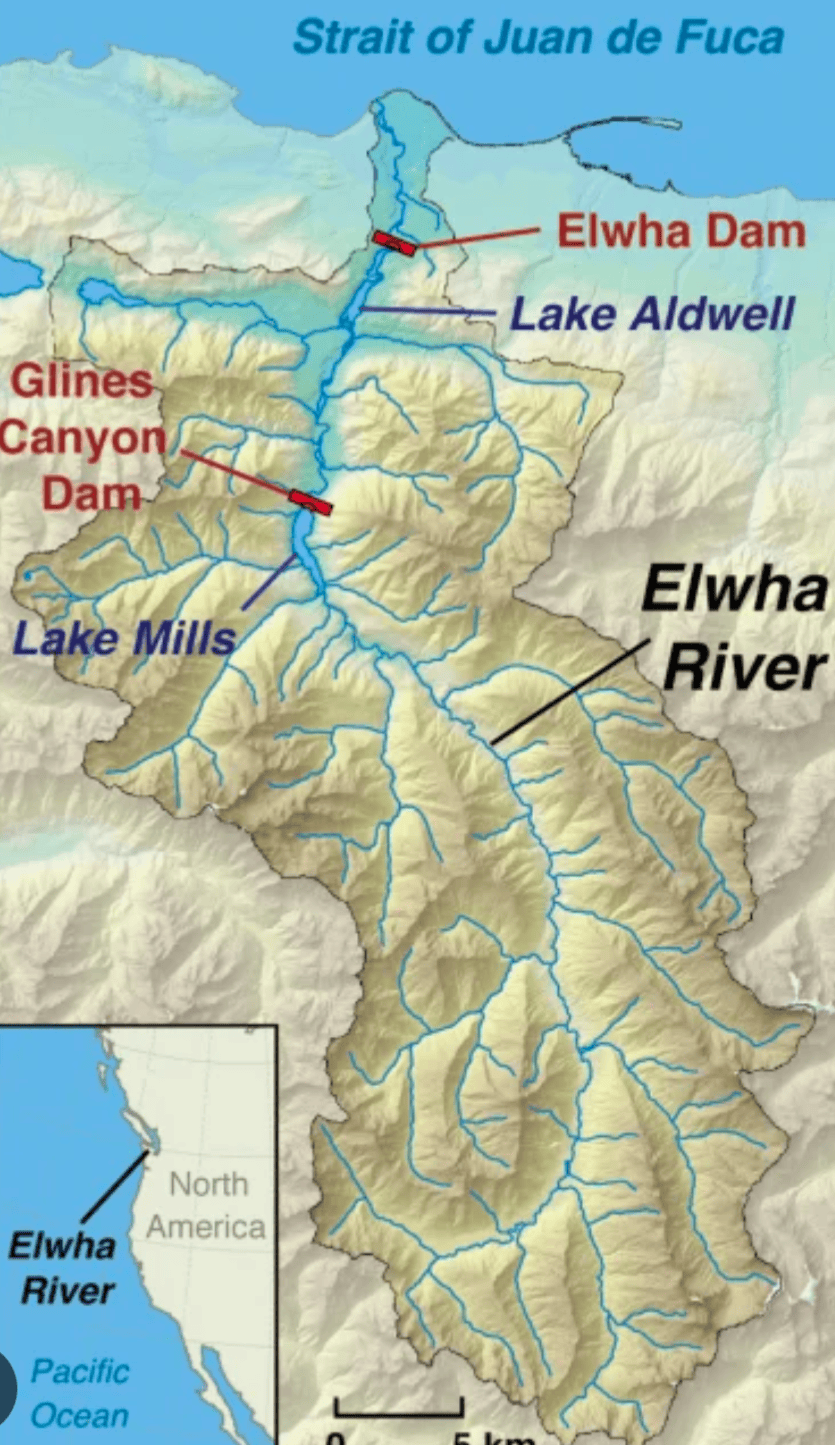
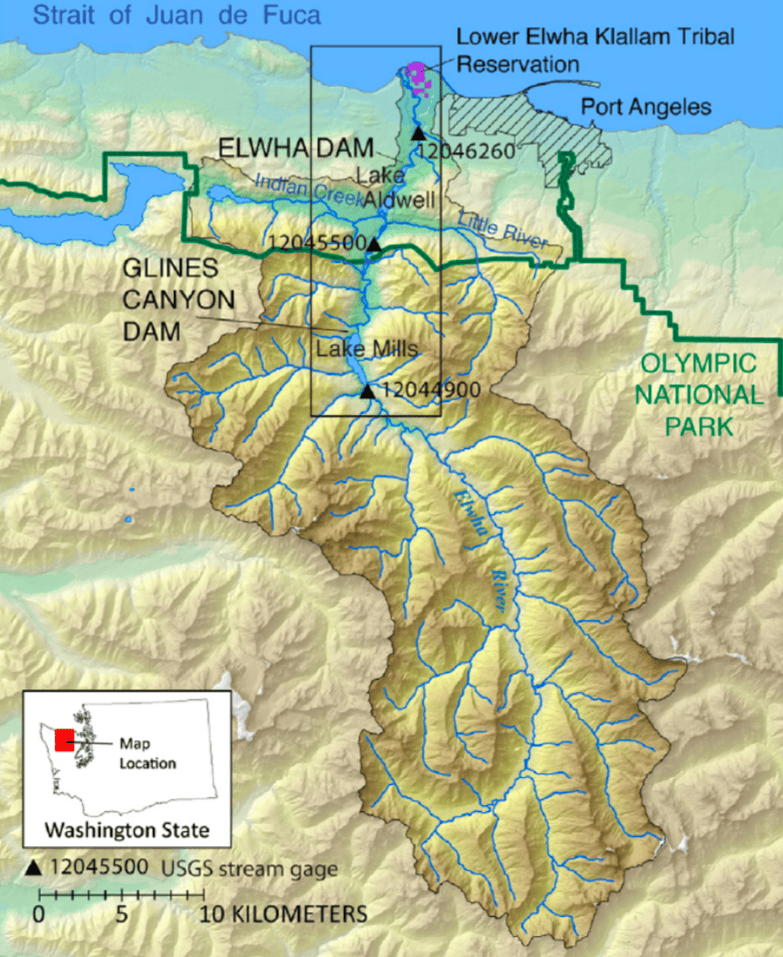
Back in 1992, Congress authorized the historic removal of the Elwha and Glines Canyon dams to breathe new life into the Elwha River and its once-thriving salmon runs. Those massive barriers were completely gone by 2014, but physical dam removal was only the first step in a much longer journey of ecological restoration. Healing a watershed takes time, dedication, and deep local knowledge. That is why this new legislation, sponsored by Senator Maria Cantwell and Representative Emily Randall, is so profoundly important. It bridges the gap between environmental recovery and indigenous stewardship by transferring 1,082 acres of federal project lands back to the tribe to be held in trust by the Bureau of Indian Affairs.
This land transfer includes property originally acquired by the National Park Service for the dam demolition project, alongside parcels used for a surface water pipeline supplying the tribe’s fish hatchery, known as the House of Salmon. Placing these sacred and culturally significant lands back into trust empowers the Lower Elwha Klallam Tribe to continue their exceptional stewardship. It safeguards the federal investment in the river’s restoration and directly aids in the recovery of all five species of Pacific salmon, along with native fish populations like steelhead and bull trout.
Tribal leadership noted that this return of land is a vital part of the community’s healing process from the dam projects, praising the slow yet persistent growth seen in the river and the joyful return of the salmon. Leaders have also rightfully highlighted the unwavering persistence over the years required to make this dream a reality, emphasizing that this is a meaningful final action to the dam removal project that successfully rewilded the river and honored the federal government’s treaty and trust obligations.
It is inspiring to see federal partners, local communities, neighboring tribes, and state departments come together to prioritize environmental justice and ecological restoration. When indigenous communities are given back the stewardship of their ancestral lands, everybody wins because the land is cared for with unmatched wisdom, respect, and generational insight. This historic land return serves as a powerful reminder of what can be achieved when persistence meets purpose, paving the way for a healthier, more vibrant future for both the river and the people who have protected it since time immemorial.


