

Personnel Training Respectful Interaction and De-escalation Techniques for Public Bus Transportation Employees


by pacetulsa
Introduction
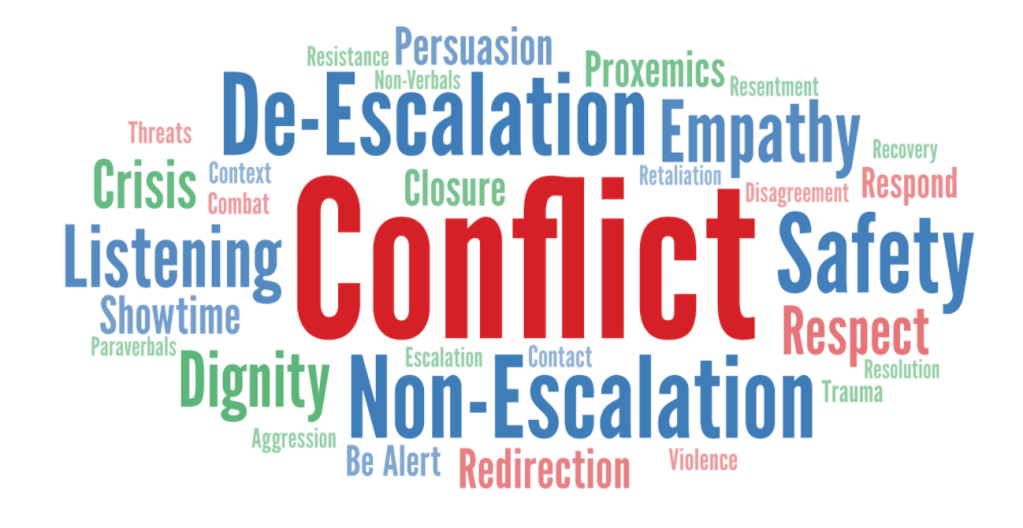
This training aims to equip public transportation personnel and security officers with the necessary skills to interact respectfully with passengers and de-escalate potentially tense situations. Your role as a public transportation employee or security officer is crucial in maintaining a safe and positive environment for everyone.
Understanding Your Role
- Customer Service: Remember, passengers are customers. Treat them with respect and courtesy.
- Safety and Security: Your primary responsibility is to ensure the safety of passengers and staff.
- De-escalation: Your ability to calm tense situations can prevent incidents from escalating.
Respectful Interaction
- Active Listening: Give passengers your full attention when they speak.
- Clear Communication: Speak clearly, avoid jargon, and maintain a professional tone.
- Empathy: Try to understand the passenger’s perspective.
- Patience: Remain calm and patient, even when faced with difficult situations.
- Body Language: Maintain an open and approachable posture. Avoid aggressive or defensive body language.
De-escalation Techniques
- Stay Calm: Your own demeanor can influence the situation.
- Establish Rapport: Build a connection with the passenger by using their name and active listening.
- Identify Needs: Try to understand what the passenger needs or wants.
- Set Boundaries: Clearly communicate expectations and consequences.
- Time Management: If possible, give the passenger time to calm down.
- Seek Assistance: If the situation escalates, request backup from other officers.
Common Scenarios
(Scenario 1) Passenger Disputes: How to mediate disagreements between passengers.
(Scenario 2) Fare Evasion: How to handle fare disputes without escalating the situation.
(Scenario 3) Disruptive Behavior: Techniques for dealing with intoxicated or unruly passengers.
(Scenario 4) Mental Health Crises: Recognizing signs of mental health distress and appropriate responses.
Common Scenarios and Response Techniques
Scenario 1: Passenger Disputes
Passenger disputes can arise from various issues such as seating, behavior, or perceived mistreatment.
- Active Listening: Allow both parties to express their viewpoints without interruption.
- Neutral Stance: Avoid taking sides. Focus on resolving the conflict rather than determining fault.
- Mediation: Facilitate a dialogue between the passengers, helping them find a compromise.
- De-escalation: If tensions rise, separate the parties if possible and speak to them individually.
- Enforce Rules: If necessary, remind passengers of the transit system’s rules and regulations.
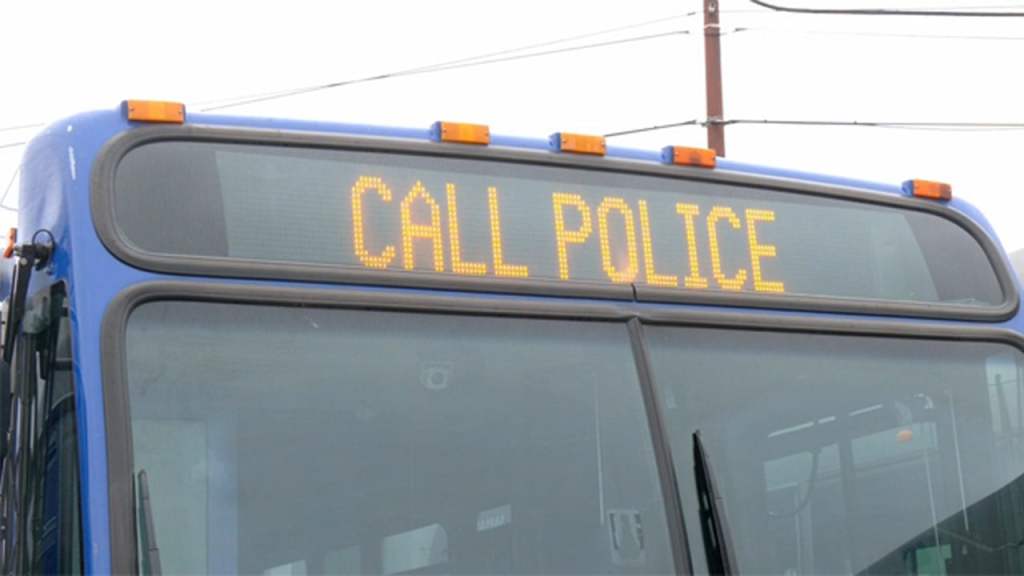
- Call for Backup: If the situation escalates and you feel unsafe, call for additional support.
Scenario 2: Fare Evasion
Fare evasion can lead to confrontations and financial losses for the transit agency.
- Clear Communication: Politely inform the passenger of the fare requirement.
- Provide Options: Offer alternative payment methods if possible (e.g., exact change, fare card).
- Enforce Policy: Clearly state the consequences of fare evasion, such as being asked to leave the vehicle.
- Avoid Confrontation: Maintain a calm and professional demeanor, even if the passenger becomes agitated.
- Document Incident: Record details of the incident for future reference.
Scenario 3: Disruptive Behavior
Disruptive behavior can range from loud talking to physical aggression.
- Assess the Situation: Determine the level of threat posed by the passenger.
- Set Boundaries: Clearly communicate expectations for behavior.
- Remove Passenger if Necessary: If the passenger’s behavior is endangering others, remove them from the vehicle.
- Call for Backup: If the situation escalates, request assistance from other officers.
- Document Incident: Record details of the incident, including passenger description and any witnesses.
Scenario 4: Mental Health Crises
Recognizing and responding to passengers experiencing mental health crises requires sensitivity and training.
- Assess the Situation: Determine the level of distress the passenger is experiencing.
- Maintain a Calm Demeanor: Your own composure can help de-escalate the situation.
- Offer Assistance: Ask if you can help the passenger in any way.
- Contact Mental Health Professionals: If necessary, contact the appropriate mental health crisis team.
- Document Incident: Record details of the incident, including the passenger’s behavior and any actions taken.
Remember: These are general guidelines. Each situation is unique, and officers must use their judgment to determine the best course of action.
Role-Playing Exercises
Practice different scenarios to reinforce learned skills. Examples:
- A passenger is angry about a missed bus.
- A passenger is refusing to leave the bus.
- A passenger is experiencing a panic attack.
Role-Playing Exercises Scripts
Scenario 1: Angry Passenger
Passenger: (Yelling) This is ridiculous! I’ve been waiting for this bus for 20 minutes! It’s late again! I’m going to miss my appointment!
Security Officer: (Calmly) I understand you’re frustrated. Let’s see if we can figure this out together. Can you tell me which bus you’re waiting for?
[Continue the role-play, focusing on active listening, empathy, and potential solutions like providing estimated wait times or alternative transportation options.]
Scenario 2: Refusing to Leave the Bus
Passenger: (Sitting down, refusing to move) I’m not getting off this bus until you tell me why it’s late!
Security Officer: (Calmly) I understand you’re upset about the delay. However, the bus needs to continue its route. Can you please step off so other passengers can board?
[Continue the role-play, focusing on de-escalation techniques, setting boundaries, and potentially calling for backup if necessary.]
Scenario 3: Panic Attack
Passenger: (Rapid breathing, sweating, trembling) I can’t breathe… I can’t breathe…
Security Officer: (Calm and reassuring) It’s okay, I’m here to help. Take slow, deep breaths with me. Let’s focus on your breathing.
[Continue the role-play, focusing on providing a calm environment, offering reassurance, and seeking medical assistance if necessary.]
Note: These are just basic outlines. Feel free to add more complexity and challenges to the scenarios to enhance the training experience. It’s also important to debrief after each role-play to discuss what worked well and areas for improvement.
Respectful De-Escalation
Your ability to interact respectfully with passengers and de-escalate situations is vital to maintaining a positive and safe public transit environment. By implementing these techniques, you can contribute to a better experience for everyone.
Respectful De-escalation Script I
Scenario: A passenger is loudly complaining about a missed bus and is becoming increasingly agitated.
Security Officer: (Maintaining a calm and professional demeanor)
Good morning/afternoon, sir/madam. I understand you’re upset about missing the bus. Can I help you with something?
I see you’re frustrated. Let’s work together to find a solution. Can you tell me which bus you were waiting for?
I apologize for the inconvenience. Would you like to wait for the next bus, or can I assist you with alternative transportation options?
I understand you’re disappointed. I want to help, but raising your voice isn’t going to resolve the situation. Let’s try to remain calm so we can find a solution together.
I appreciate your patience. Please let me know if there’s anything else I can do to assist you.
Key points:
- Maintain a calm and empathetic tone.
- Avoid arguing or becoming defensive.
- Focus on active listening and understanding the passenger’s perspective.
- Offer solutions or alternatives.
- Set clear boundaries if necessary.
Additional tips:
- Use open-ended questions to encourage the passenger to express their feelings.
- Validate the passenger’s emotions without agreeing with their behavior.
- Maintain eye contact and use appropriate body language.
- Be prepared to call for backup if the situation escalates.
Remember, every situation is unique, and this script is simply a guideline. The goal is to de-escalate the situation and find a resolution that satisfies both parties.
Respectful De-escalation Script II: Passenger Hesitancy and Driver Mistreatment
Security Officer: While on patrol, the security officer observes a passenger standing at a bus stop who does not board an arriving bus. The officer approaches the passenger with a friendly demeanor.
Security Officer: “Good morning/afternoon. Are you waiting for a bus?”
Passenger: (Non visibly nervous but hesitant) “Yes, I am.”
Security Officer: “Would you like to show me your boarding pass or ticket, please?”
Passenger: (Hesitates, then shows a valid weekly pass) “Here it is.”
Security Officer: “Thank you. Is there anything I can help you with today?”
Passenger: (Pauses, then lowers voice) “I’ve had some bad experiences with a certain driver. I don’t feel safe riding with them.”
The security officer listens attentively without judgment.
Security Officer: “I understand that must be upsetting. Can you tell me more about what happened?”
The passenger proceeds to describe the mistreatment they experienced, such as verbal abuse, reckless driving, or other inappropriate behavior.
Security Officer: “Thank you for sharing that. I’m sorry to hear about your experience. We take these matters very seriously. Can you describe the driver, or do you remember their bus number?”
The passenger provides details about the driver or the bus.
Security Officer: “Thank you for your cooperation. I’ll make sure to report this incident. In the meantime, would you like to wait for a different bus or do you need assistance with alternative transportation?” There is also a number you can call to submit your formal complaint. Do you have the phone number? Would you like for me to give the phone number to you?
The security officer offers support and reassures the passenger that their safety is a priority.
Remember: Your safety is always the top priority. If you feel your safety is threatened, take appropriate action.


