

A business model must have a powerful sense of purpose.
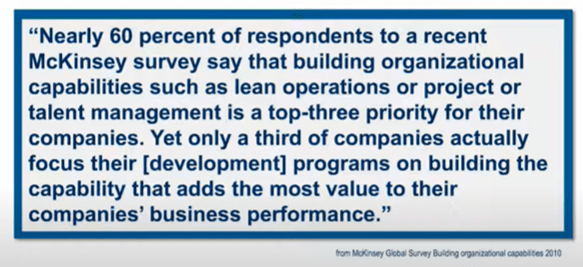
- Importance of a strong talent strategy in today’s competitive job market
- Overview of the key elements of a game-changing talent strategy
You can be a purpose-driven enterprise, but without having a viable business model. We must sure that we’re crafting an organization that also has a high-performance culture. We must make sure both long term vision, short term day to day strategic and operational priorities, are driven by a sense of purpose.
Associated with them. truly great game-changing companies combine sense of purpose and high performance with a climate that is all about having core values and guiding principles. Building organizations that are purpose-driven, performance-oriented, and principles-led is incredibly difficult.
Building a Purpose-Driven Organization
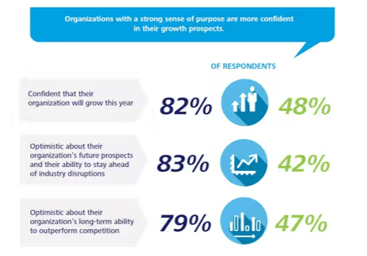
- Emphasizing the importance of a powerful sense of purpose
- The role of a purpose-driven culture in game-changing organizations
Why is it difficult to be able to build organizations that, at the same time, are purpose-driven, performance-oriented, and principles-led?
Creating a High-Performance Culture
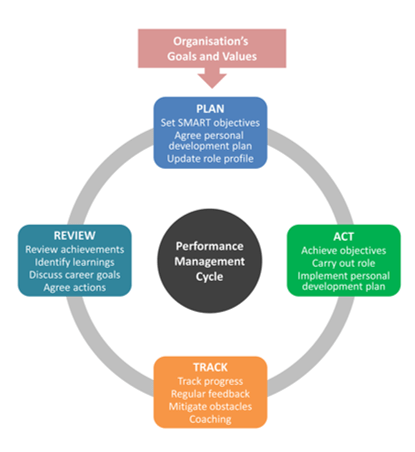
- Factors to consider in assessing a high-performance culture
- Strategies for establishing clear expectations, accountability, recognition, and continuous learning and development
In order to assess the extent of a high-performance culture in an organization, several factors can be considered. These include:
- Clear expectations: A high-performance culture is characterized by clear expectations and goals that are communicated to employees. This ensures that everyone understands what is expected of them and can work towards achieving those goals.
- Accountability: In a high-performance culture, individuals are held accountable for their performance and results. This includes regular performance evaluations and feedback to help employees continuously improve.
- Recognition and rewards: Recognizing and rewarding employees for their achievements is an important aspect of a high-performance culture. Monetary rewards, promotions, or other forms of recognition that motivate employees to perform.
- Continuous learning and development: Organizations with a high-performance culture prioritize learning and development opportunities for their employees. Providing training and resources to help employees enhance their skills and knowledge.
- Performance-driven mindset: A high-performance culture is characterized by a mindset focused on continuous improvement and exceeding expectations. Employees are encouraged to take ownership of their work and seek innovative ways to achieve better results.
To assess the extent of a high-performance culture in your organization, you can evaluate these factors and gather feedback from employees through surveys or interviews. This will help you identify areas of strength and areas that may need improvement in building a high-performance culture.
Aligning Principles and Core Values

- The significance of principles and core values in guiding decision-making and shaping company culture
- Communicating and reinforcing principles and core values effectively
To what extent are we crystal clear about the principles, our core values that remain true both in good times and bad?
It is crucial for any organization to have a clear understanding of its principles and core values. These principles serve as a guiding force in decision-making and shape the culture of the company. They act as a compass, ensuring that the organization remains focused and aligned with its mission and vision.
In times of success, it is easy for organizations to lose sight of their principles and core values. However, it is during these times that it becomes even more important to stay true to them. Core values provide a moral and ethical framework that helps organizations make the right choices and maintain integrity.
Similarly, in challenging times, core values act as a source of strength and resilience. They provide a sense of purpose and direction, guiding the organization through difficult decisions and tough situations.
To ensure that your company is crystal clear about its principles and core values, it is important to communicate them effectively to all stakeholders. This includes employees, customers, partners, and even potential hires. By consistently reinforcing these principles and values, you can create a strong and unified organizational culture that withstands the test of time.
Being crystal clear about the principles and core values that remain true both in good times and bad is essential for organizational success. It helps create a strong foundation for decision-making, shapes the company’s culture, and guides the organization through both favorable and challenging circumstances.
Integrating Purpose, Performance, and Principles in Talent Strategy

- Exploring how purpose-driven, performance-oriented, and principles-led approaches can be integrated
- Benefits of aligning talent strategy with organizational goals and values
To what extent are we able to be purpose-driven, performance-oriented, and principles-led simultaneously?
When developing a talent strategy, it is possible to integrate purpose, performance, and principles simultaneously. Here’s how:
- Purpose-driven: A purpose-driven talent strategy focuses on aligning the goals and values of the organization with those of the employees. It involves recruiting individuals who share the company’s mission and are motivated by its purpose. This approach creates a sense of meaning and fulfillment in their work, leading to increased engagement and productivity.
- Performance-oriented: A performance-oriented talent strategy emphasizes hiring individuals based on their ability to meet or exceed performance expectations. It involves setting clear performance goals, providing ongoing feedback and coaching, and rewarding high performers. This approach ensures that the organization has the right talent to achieve its objectives and drives a culture of excellence.
- Principles-led: A principles-led talent strategy is centered around ethical and values-based decision-making. It involves recruiting individuals who demonstrate integrity, honesty, and a commitment to ethical behavior. This approach fosters a culture of trust and transparency, which is essential for long-term success.
By integrating purpose, performance, and principles in your talent strategy, you can create a cohesive and effective approach to attracting, developing, and retaining top talent. This will not only drive organizational success but also contribute to a positive and engaging work environment.
Understanding Company Needs and Defining Employer Brand

- Conducting a thorough analysis of company needs
- Defining and communicating the company’s values, culture, and mission to attract top talent
Before creating a talent strategy, it’s important to understand the specific needs of your company. This includes identifying the skills and qualities that are essential for success in your organization, as well as any gaps in your current workforce.
Conducting a thorough analysis of your company’s needs will help you create a targeted and effective talent strategy.
Utilizing Multiple Recruitment Channels

- The importance of diversifying recruitment channels to reach a wide pool of candidates
- Examples of effective recruitment channels, such as job boards, social media, and employee referrals
In order to reach a diverse pool of candidates, it’s important to utilize multiple recruitment channels. This can include job boards, social media, employee referrals, and recruitment agencies. By casting a wide net, you increase your chances of finding the right talent for your organization.
Implementing a Structured Interview Process

- Key components of a structured interview process, including standardized questions and behavioral-based interviewing techniques
- Involving multiple team members in the interview process for fair evaluation
Having a structured interview process is crucial for making informed hiring decisions. This can include creating a list of standardized questions, using behavioral-based interviewing techniques, and involving multiple team members in the interview process. A structured interview process helps ensure that all candidates are evaluated fairly and consistently.
Developing a Talent Management Strategy

- Designing a plan for attracting, developing, and retaining top talent
- Examples of talent management initiatives, such as leadership development programs and performance management systems
A talent management strategy is a plan for how your organization will attract, develop, and retain top talent. This can include initiatives such as leadership development programs, performance management systems, and employee engagement initiatives.
A well-developed talent management strategy can help your organization create a pipeline of skilled and engaged employees.
Measuring and Analyzing Results

- Tracking key metrics to evaluate the effectiveness of the talent strategy
- Identifying areas for improvement and making necessary adjustments
In order to continuously improve your talent strategy, it’s important to measure and analyze its effectiveness. This can include tracking metrics such as time-to-hire, employee turnover rates, and employee satisfaction.
By regularly analyzing these metrics, you can identify areas for improvement and make adjustments to your talent strategy as needed.
Seeking Inspiration from Industry Leaders

- The value of learning from successful companies in talent acquisition and management
- Attending industry conferences and networking events to stay informed and implement best practices
One of the best ways to create a game-changing talent strategy is to seek inspiration from industry leaders. Look at what other successful companies are doing in terms of talent acquisition and management, and adapt their strategies to fit your organization’s needs. Attend industry conferences and networking events to learn from experts and stay up-to-date on the latest trends and best practices.
By following these key elements, you can create a game-changing talent strategy that will help your organization attract and retain top talent. Remember to regularly review and update your strategy to ensure it remains effective in today’s ever-changing job market.

This is how to implement these elements in your game changing talent strategy?
Integrating your unit’s vision, your country’s vision, and your function’s vision with the group or enterprise vision is essential for alignment and achieving organizational goals.
Here are some steps to ensure integration:
- Understand the Group or Enterprise Vision: Familiarize yourself with the overall vision of the group or enterprise. This includes understanding its mission, goals, and values.
- Align Unit Vision: Evaluate your unit’s vision and ensure that it aligns with the group or enterprise vision. Identify any gaps or areas where adjustments may be needed to ensure alignment.
- Connect with Country Vision: Consider your country’s vision and how it relates to the group or enterprise vision. Identify common goals and areas of synergy between the two. Look for opportunities to contribute to the country’s vision while advancing the group or enterprise objectives.
- Assess Function’s Vision: Evaluate your function’s vision and assess its alignment with the group or enterprise vision. Identify any areas where the function’s vision can contribute to the overall vision and goals.
- Communicate and Collaborate: Foster open communication and collaboration between units, countries, and functions. Share the group or enterprise vision with your team and stakeholders, emphasizing the importance of alignment and integration. Encourage feedback and input to ensure everyone understands the connection between different visions.
- Develop Action Plans: Work with your team and stakeholders to develop action plans that align unit, country, and function visions with the group or enterprise vision. Set goals, strategies, and initiatives that contribute to the overall vision and promote collaboration and coordination.
- Monitor and Evaluate: Regularly monitor progress towards the integrated vision and evaluate the impact of actions taken. Make adjustments as needed to ensure continued alignment and progress towards goals.
By integrating unit, country, and function visions with the group or enterprise vision, you create a cohesive and unified approach towards achieving the overall objectives of the organization.

Brokers can explain their contributions on the ground by:
When brokers explain contributions on the ground, they are referring to the practical and tangible impact they make in their role. It means translating their work into measurable outcomes and highlighting the value they bring to the organization or their clients.
Overall, explaining contributions on the ground means effectively communicating the tangible impact of their work, whether it is through specific examples, quantifiable results, client testimonials, industry recognition, or case studies. This helps stakeholders understand and appreciate the value that brokers bring to the table.

Another way a broker can explain their contributions to “others”:
We have excelled in fostering enthusiasm within our local unit of analysis, whether it’s in business, function, or geography. We have successfully fostered a strong sense of unity and camaraderie, creating a collective mindset that promotes collaboration and teamwork. However, we recognize the need to further enhance our ability to channel this enthusiasm into a shared sense of mutual accountability.
These individuals are bridge builders, aligners, caretakers, and stewards of organizations. They possess the ability to extend beyond their units and effectively articulate how the company’s overall strategy, vision, and sense of purpose align with that of the local level. We have been successful in articulating our values, although we have room for improvement in creating an authentic culture that spans across different cultures worldwide. Additionally, our expertise in developing leaders is commendable.

Comparison from a talent management point of view of that is really strong at building builders and not so great at developing effective brokers?
Many organizations have a history of excelling in building the best units, businesses, functions, and geographic regions. This cultural sense of success within individual silos can be deeply rooted and challenging to shift towards a more integrated, enterprise-wide thinking. Transitioning from a silo-oriented mindset to an integrated enterprise thinking requires deliberate efforts to break down barriers, promote collaboration, and foster a shared understanding of the organization’s overarching goals and vision. It may involve implementing cross-functional teams, promoting knowledge sharing, and creating a culture of transparency and open communication.

Developing effective brokers involves several important steps.
Here are some key steps to consider:
- Identify the required skills and competencies: Determine the specific skills and competencies that brokers need to be successful in their role. This may include financial analysis, negotiation, communication, relationship-building, and industry knowledge.
- Provide comprehensive training: Offer comprehensive training programs that cover both the technical aspects of brokerage as well as the soft skills required for effective relationship management. This may include courses on market analysis, deal structuring, sales techniques, and conflict resolution.
- Foster a mentoring and shadowing program: Pair new brokers with experienced professionals who can serve as mentors. Encourage shadowing opportunities, where new brokers can observe and learn from experienced brokers in real-world client interactions.
- Encourage continuous learning: Brokerage is a dynamic field, so it’s crucial to encourage brokers to stay updated on market trends, industry regulations, and emerging technologies. Provide resources for continuous learning, such as industry publications, webinars, conferences, and certifications.
- Promote networking and relationship-building: Encourage brokers to attend industry events, join professional organizations, and build a strong network of contacts. Strong relationships with clients, colleagues, and industry professionals are essential for success in brokerage.
- Provide access to technological tools: Equip brokers with the necessary technological tools and platforms to streamline their workflow, manage client information, and access market data. This can include customer relationship management (CRM) systems, data analytics tools, and property listing platforms.
- Emphasize ethical and professional conduct: Stress the importance of ethical behavior, integrity, and professionalism in brokerage. Set clear guidelines and expectations for brokers’ interactions with clients, colleagues, and stakeholders.
- Offer performance incentives: Implement a performance-based incentive structure that rewards brokers for achieving sales targets, securing deals, and maintaining strong client relationships. This helps motivate brokers and reinforces a culture of high-performance.
- Provide ongoing feedback and evaluation: Regularly provide feedback to brokers on their performance, highlighting areas of strength and areas for improvement. Conduct performance evaluations to assess progress and identify opportunities for further development.
- Encourage teamwork and collaboration: Foster a collaborative environment where brokers can share knowledge, best practices, and support each other. Encourage team-based projects and cross-functional collaboration to leverage the collective expertise within the brokerage team.
By following these steps, organizations can develop effective brokers who can excl in their role and contribute to the success of “brokering.”

Developing a collaboration-based team and building an integrated enterprise takes time and effort.
In many organizations, the focus is often on short-term results and meeting immediate performance targets, which can hinder the long-term vision of creating a collaborative and integrated environment.
To overcome these challenges and foster a more collaborative and integrated enterprise, organizations can take the following steps:
- Foster a culture of collaboration: Encourage teamwork, knowledge sharing, and cross-functional collaboration. This can be done by promoting open communication channels, creating opportunities for collaboration, and recognizing and rewarding collaborative behaviors.
- Align incentives and goals: Align performance metrics and incentives with long-term collaboration and integration goals. This can involve redefining performance metrics to include collaboration and teamwork, and recognizing and rewarding collaborative achievements.
- Invest in employee development: Provide training and development programs that focus on building collaboration skills, fostering effective communication, and developing a shared sense of purpose among employees. This can help employees understand the benefits of collaboration and empower them to work together towards common goals.
- Enable cross-functional collaboration: Implement structures and processes that facilitate collaboration across different functions and departments. This can include cross-functional teams, regular collaboration meetings, and shared platforms for knowledge sharing and project management.
- Lead by example: Senior leaders should model collaborative behaviors and actively promote a culture of collaboration. This can involve engaging in cross-functional initiatives, encouraging collaboration among their teams, and recognizing and rewarding collaborative efforts.
- Communicate the importance of collaboration: Regularly communicate the value and benefits of collaboration to all employees. This can be done through internal communications, town hall meetings, and sharing success stories that highlight the positive outcomes of collaboration.
- Break down silos: Identify and address organizational barriers that hinder collaboration, such as departmental silos and communication gaps. Encourage cooperation and information sharing across departments to foster a more integrated and collaborative environment.

Share your comments about collaborative integrated interprise
While it may take time to shift the organizational mindset and establish a collaborative and integrated enterprise, these steps can help pave the way for long-term success.
It requires a concerted effort from leadership, employees, and stakeholders to prioritize collaboration and work towards building a cohesive and integrated organization.


