
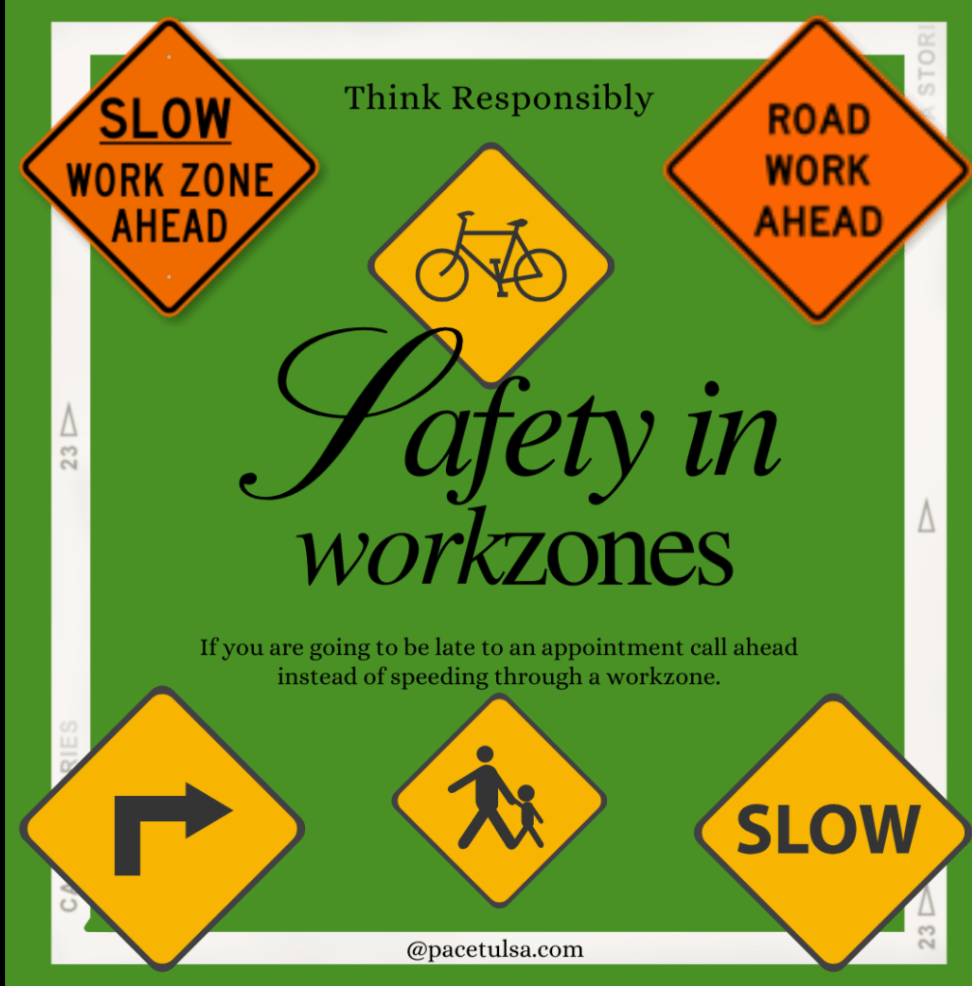

Inherently Work Zones are Dangerous
Work zones pose a significant risk to public safety due to the presence of construction workers, heavy equipment, and temporary traffic control devices.
The National Highway Traffic Safety Administration (NHTSA) reported that over 700 fatalities and 50,000 injuries occur annually in work zones in the United States (NHTSA, 2019).
To mitigate these risks, the Federal Highway Administration (FHWA) developed the Manual on Uniform Traffic Control Devices (MUTCD) to guide the proper use of traffic control devices in work zones.
We will review the key components of work zone safety and the use of municipal uniform traffic control devices (MUTCD), including pedestrian and motorist laws.
Work Zone Safety
The Occupational Safety and Health Administration (OSHA) defines a work zone as “an area of a highway with construction, maintenance, or utility work activities” (OSHA, 2020).
Work zones are typically marked by temporary traffic control devices, such as cones, barrels, and signs, which guide motorists and pedestrians through the area. Work zones can be hazardous due to reduced visibility, narrow lanes, sharp curves, and uneven surfaces.
To minimize the risks, the FHWA recommends the following safety measures:
1. Use of appropriate traffic control devices: The MUTCD provides guidelines for the use of traffic control devices, such as cones, barrels, and signs. These devices should be used to guide motorists and pedestrians safely through the work zone.
2. Proper signage: Work zones should be marked with proper signage, including speed limit signs, warning signs, and lane closure signs. These signs should be visible to motorists and pedestrians approaching the work zone.
3. Adequate lighting: Work zones should be adequately lit to improve visibility for motorists and pedestrians. Lighting should be provided for both daytime and nighttime work.
4. Proper flagging operations: Flagging operations should be conducted by trained personnel who use appropriate signals to guide motorists and pedestrians safely through the work zone.
5. Enforcement of traffic laws: Law enforcement officers should be present at work zones to enforce traffic laws and ensure the safety of workers and motorists.
Municipal Uniform Traffic Control Devices (MUTCD)
The MUTCD guides the proper use of traffic control devices in work zones. The MUTCD standards apply to all public streets, highways, bikeways, and private roads open to public travel.
The standards include guidelines for the design, placement, and operation of traffic control devices, such as signs, signals, and markings. The MUTCD standards also specify the minimum retro reflectivity levels for traffic signs and pavement markings.
Pedestrian Laws
Pedestrians are at risk in work zones due to the presence of heavy equipment and temporary traffic control devices. To ensure pedestrian safety, the MUTCD provides guidelines for the use of pedestrian control devices, such as barricades, signs, and delineators. Pedestrian crossing areas should be marked with appropriate signage, such as “Pedestrian Crossing” signs.
In addition, pedestrian walkways should be provided with adequate lighting to improve visibility.
Motorist Laws
Motorists pose a significant risk in work zones due to their speed and the presence of workers and heavy equipment. To ensure motorist safety, the MUTCD provides guidelines for the use of traffic control devices, such as speed limit signs, warning signs, and lane closure signs. Motorists should be required to slow down and observe posted speed limits in work zones.
In addition, law enforcement officers should be present to enforce traffic laws and ensure the safety of workers and motorists.
Conclusion
Work zones pose a significant risk to public safety due to the presence of construction workers, heavy equipment, and temporary traffic control devices. To mitigate these risks, the FHWA developed the MUTCD to guide the proper use of traffic control devices in work zones. The MUTCD standards apply to all public streets, highways, bikeways, and private roads open to public travel. The standards include guidelines for the design, placement, and operation of traffic control devices. In addition, the MUTCD provides guidelines for the use of pedestrian and motorist control devices to ensure the safety of workers and the public. By following the safety measures outlined in this article, we can reduce the risk of accidents and fatalities in work zones.
References
National Highway Traffic Safety Administration (NHTSA). (2019). Work Zone Safety. Retrieved from https://www.nhtsa.gov/work-zones
Occupational Safety and Health Administration (OSHA). (2020). Highway Work Zones and Signs, Signals, and Barricades. Retrieved from https://www.osha.gov/laws-regs/regulations/standardnumber/1926/1926.200

 PACE TULSA
2 thoughts on “Work Zone Safety & Municipal Uniform Traffic Control Devices Comprehensive Review”