
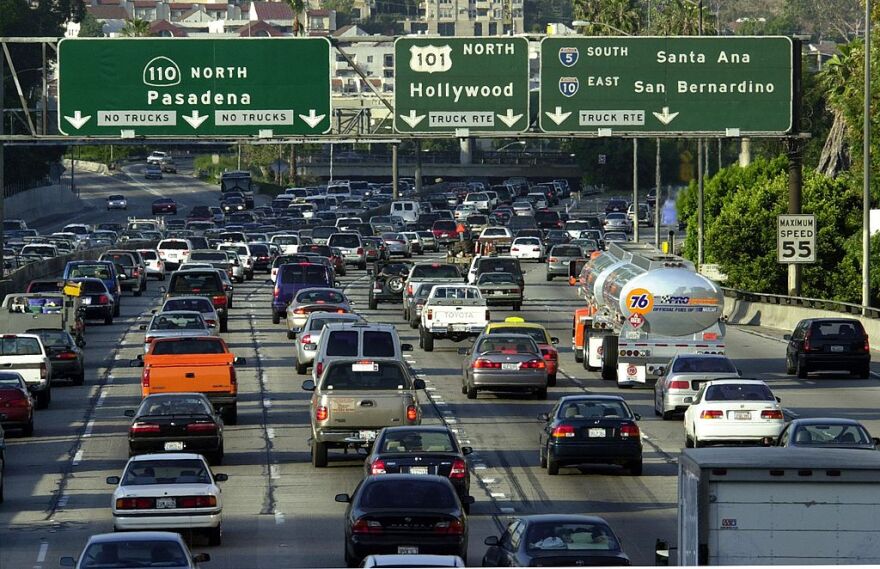
High-quality Municipal Efficacy refers to the effective functioning of a municipality in providing essential services to its residents.
High-quality Municipal Efficacy involves various functions such as infrastructure development, waste management, public safety, transportation, and traffic code enforcement.
A municipality with high-quality efficiency ensures that these services are provided efficiently, timely, and effectively, meeting the needs and expectations of its residents. It involves strategic planning, efficient management, and effective implementation of policies and programs to deliver sustainable and reliable services to the community. The ultimate goal is to improve the quality of life of the residents and create a livable and thriving community.
Continuity is a critical, but often neglected function of High-quality Municipal Efficacy
Continuity is indeed a critical function of high-quality municipal efficacy. It ensures that the smooth functioning of the municipal services is not hindered due to any disruptions or changes in the administration. However, it is often overlooked and not given the importance it deserves, leading to inefficiencies in the system. It is essential to have a well-planned continuity plan in place to ensure that the services provided by the municipality are not compromised in any way.
High-quality Municipal Efficacy
Using comprehensive public panel open discussions; inter- or intra- agency public planning meetings; online lms content access platforms and compliance strategy improving municipal efficacy continuity is feasible even when public transportation systems are constrained as well as, underfunded.
Municipal Efficacy Continuity must be measurable and utilize data benchmarks to improve progressive efforts, in order to achieve high-quality traffic code enforcement for all.
Despite increasing attention to Traffic Calming implementation, the goals for universal High-quality Municipal Efficacy transportation community, still lacks clarity on how low-income and middle-income neighbors (LMINs) can strengthen public safety systems to reach these ambitious goals, while ensuring quality at the same time.
Here are some strategies that could address low-income and middle-income neighbors (LMINs)
Hoping to strengthen public safety systems reaching ambitious goals ;ensuring quality at the same time means several strategies could potentially address the concerns of low-income and middle-income neighbors (LMINs).
1. Community Policing: This strategy involves building strong relationships between the police department and the community. It helps to build trust, increase communication, and work collaboratively to address public safety concerns.
This approach involves officers working closely with community members to identify problems, develop solutions, and implement effective strategies to reduce crime and improve safety.
2. Technology-Based Solutions: The use of advanced technology-based solutions such as surveillance cameras, gunshot detection systems, and license plate recognition systems can aid in reducing crime and improving public safety.
These technologies can help police departments to detect and respond to crime more quickly and effectively.
3. Problem-Oriented Policing: This approach involves identifying and addressing specific crime problems in a community.
Police departments work with community members to identify areas where crime is prevalent and then develop and implement strategies to solve those problems.
4. Community Engagement Programs: These programs aim to engage the community in public safety efforts. They involve working with community organizations, schools, and local businesses to develop programs that focus on crime prevention and community safety.
Examples of such programs include neighborhood watch programs, community events, and youth engagement programs.
5. Data-Driven Decision Making: The use of data and analytics can help police departments to identify patterns and trends in crime and develop strategies to address those issues.
Data can be used to allocate resources more effectively, identify crime hotspots, and track the effectiveness of interventions.
A combination of these strategies can help to address the concerns of low-income and middle-income neighbors (LMINs) and strengthen public safety systems while ensuring quality at the same time.
The key is to work collaboratively with the community, leveraging technology, and use data-driven decision making to develop effective solutions.
While access, coordination and comprehensiveness have garnered some policy focus, high-quality Municipal Efficacy has received relatively little attention within LMINs.
Explaining access, coordination and comprehensiveness policy focused, High-quality Municipal Efficacy Continuity.
Access, coordination, and comprehensiveness are three policy-focused aspects of high-quality municipal efficacy continuity that are crucial for ensuring that the municipal services are provided efficiently and effectively.
1. Access: Access refers to the ability of residents to access the municipal services they need. High-quality municipal efficacy continuity policies ensure that all residents have equal access to the services they require.
Equal access to the services requires providing information about services, ensuring services are available in all areas of the municipality, and making sure that residents can easily access pblic safety services they need.
2. Coordination: Coordination involves ensuring that the various municipal services work together seamlessly to provide comprehensive support for residents.
Comprehensive support for residents includes coordination between different departments, agencies, and organizations that provide services to residents.
High-quality municipal efficacy continuity policies promote effective coordination to ensure that residents receive comprehensive support that meets their needs.
3. Comprehensiveness: Comprehensiveness refers to the ability of the municipal services to address the full range of residents’ needs. High-quality municipal efficacy continuity policies ensure that the services provided are comprehensive and meet the diverse needs of the community.
Meeting the diverse needs of the community includes providing a wide range of services, such as public safety, transportation, waste management, and social services, to ensure that the needs of all residents are met.
Access, coordination, and comprehensiveness are key policy-focused aspects of high-quality municipal efficacy continuity that ensure that municipal services are provided efficiently and effectively. By ensuring equal access to services, promoting effective coordination between departments, and providing comprehensive services to meet the diverse needs of the community, municipalities can ensure that they are providing high-quality services to their residents.
Municipal Efficacy, refers to coherently linked , neighbors, families, communities and infrastructure management companies, across lifetimes.
Explain Municipal Efficacy Continuity consistency of understanding individual contexts, with longitudinal information, and using this knowledge to build trusting relationships over time.
Municipal Efficacy Continuity consistency of understanding individual contexts involves having a deep understanding of the individual needs and contexts of residents and using this knowledge to build trusting relationships over time. This approach involves gathering and utilizing longitudinal information about residents to ensure that municipal services are tailored to meet their unique needs.
By understanding individual contexts, municipalities can provide more effective services that are tailored to meet the specific needs of residents. This approach involves gathering data about residents over time, such as their preferences, challenges, and strengths. This information is then used to design services that are personalized to meet their needs.
Building trusting relationships over time is also a critical aspect of Municipal Efficacy Continuity. By providing consistent and reliable services, municipalities can build trust with residents and foster a sense of community. Trust is crucial in ensuring that residents are willing to engage with the municipal services and that they are more likely to participate in community programs and initiatives.
Continuity consistency of understanding individual contexts with longitudinal information, and using this knowledge to build trusting relationships over time, is essential for providing high-quality municipal services.
By gathering and utilizing data about residents over time, municipalities can provide personalized services that meet their unique needs. Building trusting relationships over time is also critical for fostering a sense of community and ensuring that residents are willing to engage with municipal services.


