
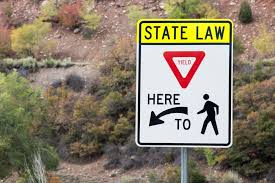
According to the Insurance Institute for Highway Safety (IIHS), pedestrian safety laws are a crucial element in reducing pedestrian fatalities and injuries. In recent years, pedestrian safety has become a major concern in the United States. According to the National Highway Traffic Safety Administration, in 2019, there were 6,205 pedestrian deaths, accounting for 17% of all traffic fatalities. In this context, pedestrian safety laws have become increasingly important in promoting safe walking and reducing pedestrian fatalities and injuries.
In Texas, pedestrians, drivers, and cyclists are all expected to follow crosswalks and traffic signs. However, pedestrians do not always have the right of way in Texas.
Here are some pedestrian laws in Texas:
- Drivers must yield to pedestrians who are crossing in a crosswalk, even when turning left or right.
- Drivers must yield to pedestrians at stop signs or flashing red lights, even if the lights are not working.
- Drivers must yield to pedestrians when pulling out of or into an driveway or alley.
- Drivers are not allowed to pass another vehicle that has stopped for a pedestrian crossing the street.
Pedestrian safety laws refer to a set of regulations that govern the behavior of pedestrians and drivers on the road. These laws aim to promote safe walking and driving and reduce the risk of accidents involving pedestrians. The IIHS has identified several key pedestrian safety laws that are effective in reducing pedestrian fatalities and injuries. These laws include:
Crosswalk laws: Crosswalk laws require drivers to stop and yield to pedestrians crossing the road within a marked or unmarked crosswalk. In most states, crosswalk laws also require pedestrians to use crosswalks when available and to obey traffic signals and signs.
Speed limit laws: Speed limit laws set a maximum speed limit for vehicles on the road. Lower speed limits in high pedestrian areas can reduce the risk of pedestrian fatalities and injuries in the event of an accident.
Distracted driving laws: Distracted driving laws prohibit drivers from using cell phones or other electronic devices while driving. Distracted driving can increase the risk of accidents involving pedestrians.
Drunk driving laws: Drunk driving laws prohibit drivers from operating a vehicle while under the influence of alcohol or drugs. Drunk driving can impair a driver’s judgment and reaction time, increasing the risk of accidents involving pedestrians.
School zone laws: School zone laws require drivers to slow down and exercise extra caution when driving in areas near schools and other places where children are likely to be present.
Sidewalk laws: Sidewalk laws require property owners to maintain their sidewalks in a safe condition, free from hazards that may cause injuries to pedestrians.
Pedestrian safety laws can vary from state to state. However, most states have implemented some form of pedestrian safety laws to promote safe walking and reduce pedestrian fatalities and injuries. The IIHS recommends that states adopt a comprehensive approach to pedestrian safety, including a combination of engineering, education, and enforcement measures.
Pedestrian safety laws are a critical component in promoting safe walking and reducing pedestrian fatalities and injuries. Crosswalk laws, speed limit laws, distracted driving laws, drunk driving laws, school zone laws, and sidewalk laws are just a few examples of the many pedestrian safety laws that states have implemented. However, more needs to be done to promote pedestrian safety, and states should adopt a comprehensive approach to pedestrian safety to reduce the risk of accidents involving pedestrians.
Here are some pedestrian safety tips:
- Always walk against traffic.
- Walk as close to the left side of the road possible using the shoulder or sidewalk, if available.
- When attempting to cross, always look left, right, and left again.
- Use crosswalks and obey crossing signals.
- Pass at a safe distance.
- Be aware that a bicyclist needs to be positioned in the lane a safe distance away from opening car doors, grates, and other hazards not visible to a driver.
- Always use sidewalks.
- Yield to vehicles.
- Don’t assume traffic will stop for you.
- Make eye contact with drivers before crossing.
- Walk to the right in crosswalks to allow others to pass on your left.
- Look left and right before exiting a bus.
Always use sidewalks. If there is no sidewalk, walk on the left side of the road facing traffic. Always use crosswalks. Look left, then right, then left again before crossing.


