
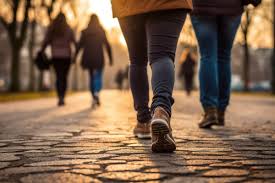
There has been growing interest in promoting the development of walkable communities as a means of improving public health and quality of life. According to the Centers for Disease Control and Prevention (CDC), walkable communities are designed to make it safe, convenient, and attractive for people to walk for transportation, recreation, and exercise. This article will examine the benefits of walkable communities and explore some of the strategies that can be used to create them.
Benefits of Walkable Communities
There are many benefits of walkable communities, both for individuals and for society as a whole. Some of the key benefits include:
Improved Public Health: Walking is one of the simplest and most effective forms of physical activity, and it has been shown to have numerous health benefits, including reducing the risk of obesity, heart disease, stroke, and some types of cancer. By making it easier and more pleasant for people to walk, walkable communities can promote physical activity and improve public health.
Reduced Traffic Congestion: Walkable communities are designed to be compact and connected, with a mix of uses (residential, commercial, and recreational) in close proximity. This can reduce the need for driving and help alleviate traffic congestion, which can have environmental and economic benefits.
Increased Social Interaction: When people walk instead of drive, they have more opportunities to interact with their neighbors, which can help to build social connections and foster a sense of community.
Improved Economic Development: Walkable communities can be good for local businesses, as they provide a steady stream of foot traffic and can help to create a lively and vibrant street life.
Strategies for Creating Walkable Communities
Creating walkable communities requires a multi-faceted approach that involves a range of stakeholders, including government officials, planners, developers, and community members. Some of the key strategies that can be used to create walkable communities include:
- Mixed-Use Development: Walkable communities are characterized by a mix of uses, including residential, commercial, and recreational. By promoting mixed-use development, planners and developers can create more compact and connected communities that are conducive to walking.
- Complete Streets: Complete streets are designed to accommodate all users, including pedestrians, bicyclists, and motorists. By providing safe and convenient sidewalks, crosswalks, and bike lanes, complete streets can make it easier and safer for people to walk and bike.
- Transit-Oriented Development: Transit-oriented development (TOD) is a form of development that is designed to be located near public transportation, such as buses, trains, or light rail. By locating housing, jobs, and amenities near transit, TOD can help to reduce the need for driving and promote walking and biking.
- Traffic Calming: Traffic calming measures, such as roundabouts, speed humps, and chicanes, can help to slow down traffic and make streets safer and more pleasant for pedestrians.
Conclusion
Walkable communities offer numerous benefits for individuals and for society as a whole. By promoting physical activity, reducing traffic congestion, fostering social interaction, and supporting economic development, walkable communities can help to improve public health and quality of life. To create walkable communities, it is important to use a range of strategies that involve multiple stakeholders and address a variety of issues, including land use, transportation, and public health.


