
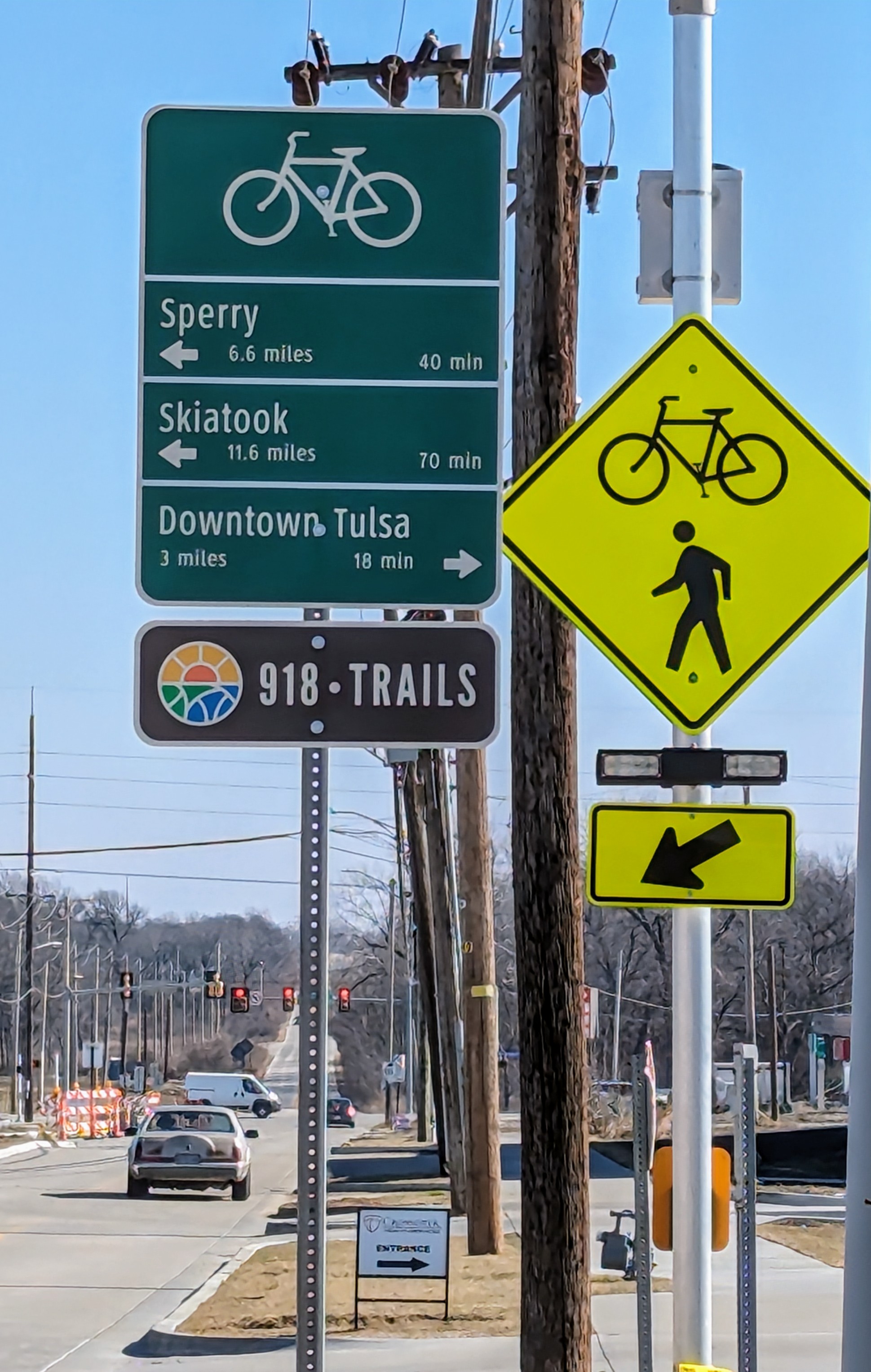
Transportation policy has an impact on daily life in numerous ways, affecting everything from traffic congestion to air pollution to public health. One of the most important aspects of transportation policy is pedestrian safety, as pedestrians are among the most vulnerable users of the transportation system. In recent years, a growing body of research has focused on strategies to improve pedestrian safety, including the use of crosswalk education programs. One such program is Pedestrian Awareness Crosswalk Education (PACE), developed by the non-profit organization PACE Tulsa.
PACE is an interactive program that aims to increase awareness of pedestrian safety and reduce the number of pedestrian-related accidents and fatalities. The program is designed to educate both drivers and pedestrians on the importance of crosswalk safety, with a particular focus on high-risk areas such as school zones and busy intersections. The program includes a variety of outreach activities, including classroom lessons, community events, and public awareness campaigns.
The effectiveness of the PACE program has been demonstrated in several studies. In a study conducted by the National Highway Traffic Safety Administration, it was found that the program was successful in increasing the use of crosswalks by pedestrians and reducing the number of pedestrian accidents. Another study conducted by the University of North Carolina found that the program was effective in increasing the number of drivers who yielded to pedestrians at crosswalks.
Despite the success of the PACE program, there are still challenges to implementing effective pedestrian safety policies. One of the major challenges is the lack of political will to prioritize pedestrian safety initiatives. Many transportation policies focus primarily on vehicular traffic and neglect the needs of pedestrians and cyclists. Additionally, there is often a lack of funding for pedestrian safety programs, which can limit the scope and effectiveness of these initiatives.
To address these challenges, it is important to develop a comprehensive approach to transportation policy that includes pedestrian safety as a top priority. This approach should include a range of strategies, including infrastructure improvements, public education campaigns, and policy changes. It is also important to involve a wide range of stakeholders, including local government officials, transportation planners, community groups, and advocacy organizations, in the development and implementation of pedestrian safety policies.
Smart crosswalks are an emerging technology that integrates Internet of Things (IoT) sensors and digital displays to enhance pedestrian safety and improve traffic flow. These intelligent crosswalks use sensors to detect pedestrian presence, count the number of people crossing the street, and communicate with traffic signals to adjust traffic flow accordingly. In this article, we will review the recent advancements in smart crosswalk technology and their potential applications in different urban environments.
Pedestrian safety is a significant concern in urban areas, with the number of pedestrian fatalities increasing every year. According to the National Highway Traffic Safety Administration (NHTSA), pedestrian deaths accounted for 17% of all traffic fatalities in 2018. To address this issue, researchers and engineers have been developing smart crosswalks that leverage IoT and other technologies to improve safety and efficiency.
Smart Crosswalk Technologies
Smart crosswalks utilize a combination of sensors, digital displays, and communication systems to gather and transmit data in real-time. The sensors can detect the presence of pedestrians and estimate their speed and direction of movement. The data collected by the sensors is then transmitted to a central server, which processes it and communicates with the traffic signals to adjust traffic flow. The digital displays can also provide visual cues to drivers and pedestrians, such as countdown timers, warning messages, and directional arrows.
Applications
Smart crosswalks can be applied in a variety of urban environments, including busy intersections, school zones, and residential areas. In busy intersections, smart crosswalks can help reduce traffic congestion and improve safety by regulating traffic flow based on real-time pedestrian data. In school zones, smart crosswalks can provide visual cues and warning messages to drivers to slow down and yield to pedestrians. In residential areas, smart crosswalks can help improve safety by providing additional visibility and guidance to pedestrians.
Challenges
Despite the potential benefits of smart crosswalks, there are several challenges that need to be addressed to ensure their effectiveness and sustainability. One of the main challenges is the cost of installation and maintenance of the IoT sensors and digital displays. Another challenge is the need for standardization and interoperability of the various smart crosswalk technologies to ensure compatibility and seamless integration with existing traffic systems.
Smart crosswalks are an innovative solution to enhance pedestrian safety and improve traffic flow in urban areas. By leveraging IoT sensors and digital displays, smart crosswalks can provide real-time data and visual cues to drivers and pedestrians, thereby reducing the risk of accidents and increasing efficiency. However, there are still several challenges that need to be addressed to ensure the widespread adoption of smart crosswalks, including the cost of installation and maintenance and the need for standardization and interoperability
Pedestrian safety is a critical component of transportation policy, and initiatives such as the PACE program can play an important role in reducing pedestrian accidents and fatalities. However, more needs to be done to prioritize pedestrian safety in transportation policy and to develop comprehensive strategies that address the needs of all transportation users. By working together and prioritizing pedestrian safety, we can create a transportation system that is safe, efficient, and equitable for all.


