

"Today, we can use technology to connect with people all over the world. This has led to a more globalized and interconnected world, and it has also made it easier for us to find people who share our interests and values. This can lead to a stronger sense of community and belonging.'


by pacetulsa

Cyber-bullying & The Rise of Social Media and Other Digital Platforms
Individuals are more susceptible to online harassment and abuse more than ever before. One of the most troubling consequences of cyber-bullying is the phenomenon of “cancel culture.”
The rise of social media and other digital platforms has had a profound impact on society. These platforms have changed the way we communicate, consume information, and interact with the world around us.
Bullies often target victims with disabilities and mental illnesses..
It’s easier to bully someone weaker. Someone who can’t fight back. That’s why bullies often harass someone who is dealing with a mental illness or has a disability.
Cancel culture refers to the practice of publicly shaming and ostracizing individuals who have expressed controversial or unpopular opinions. Cyber-bullying has become a widespread issue in modern society.
One of the most significant impacts of social media has been the way we communicate. In the past, people communicated primarily through face-to-face interaction, letters, and phone calls.
Recent statistics show steady growth in cyberbullying trends.
Between 2007 and 2016, the number of teens experiencing cyberbullying had remained almost the same (32%+-). In 2019 cyberbullying statistics, nearly 43% of teens (mostly girls and LGBTQ community members) had experienced some form of online harassment.
Today, social media platforms like Facebook, Twitter, and Instagram allow us to communicate with people all over the world instantly and effortlessly. This has made it easier for us to stay in touch with friends and family, meet new people, and share our thoughts and experiences with others.

Data Consumption Shifts in 2024
Social media has also changed the way we consume information. In the past, we relied on traditional media outlets like newspapers, television, and radio for news and information. Today, we can get news and information from a variety of sources, including social media. This has made it easier for us to stay informed about current events and to get a variety of perspectives on the news.
Research has shown that cyber-bullying can lead to cancel culture by creating a conduit for online harassment. When individuals are subjected to persistent and vicious attacks online, they may feel silenced and afraid to express their opinions. This can lead to self-censorship, as people become hesitant to speak out on controversial issues for fear of being targeted by cyber-bullies.
“The perpetrator doesn’t get a chance to see how damaging their bullying is and to learn from their mistakes and do something different until after the hurtful words have been disseminated,” said Giordano. “It’s a scary situation because they don’t have the natural consequences they do with offline bullying.”
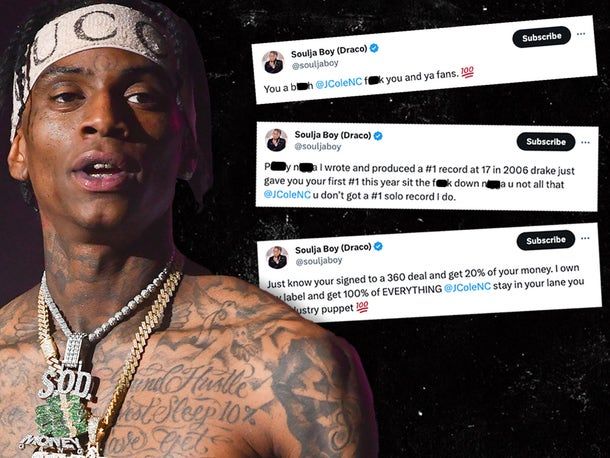
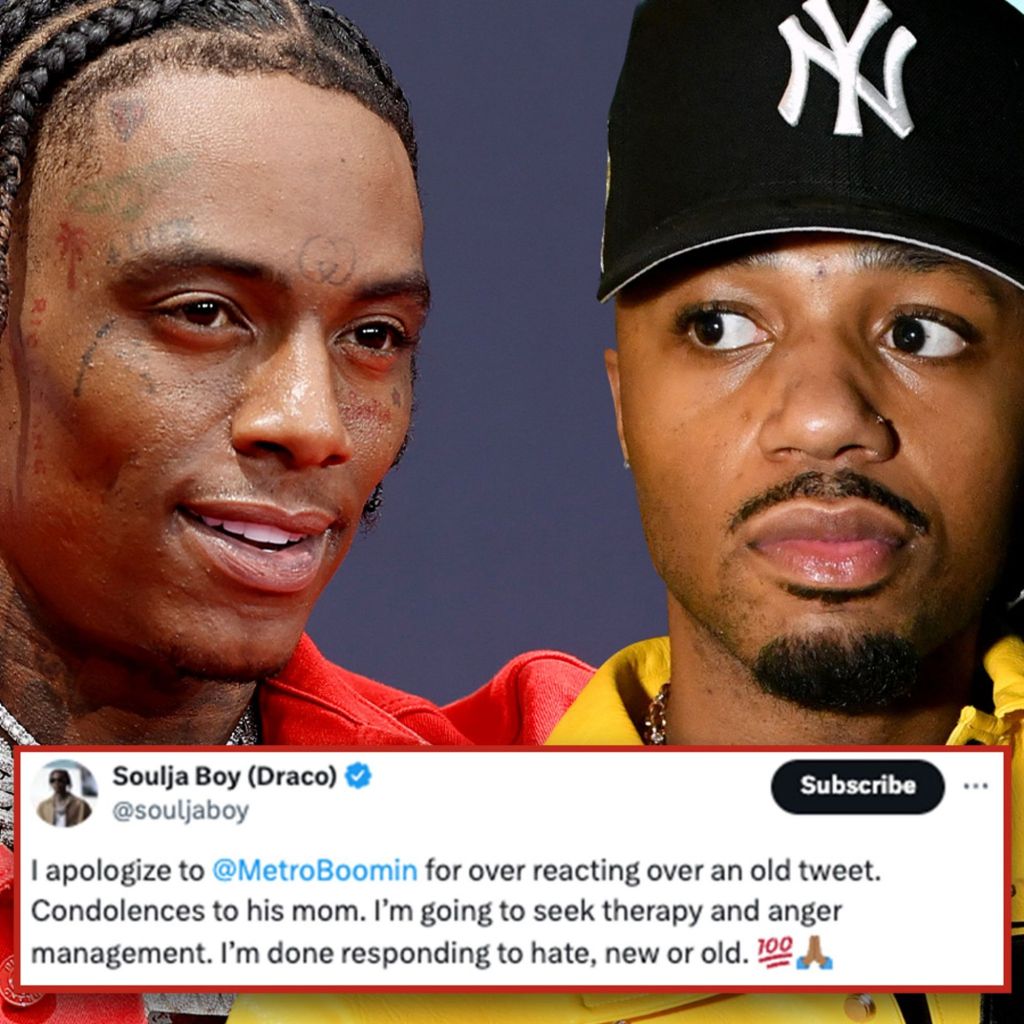
According to TMZ, “Soulja Boy is having a change of heart about warring with Metro Boomin — and apologized to the ‘Like That’ producer for his unsavory comments about his deceased mom.”
Understanding the Impact of Cyber bullying
To understand the impact of cyber-bullying on cancel culture, it is important to examine the underlying causes of this phenomenon. Many experts argue that cancel culture is driven by a desire to conform to social norms and avoid social ostracism. When individuals are exposed to online harassment and abuse, they may feel pressured to conform to the views of the majority in order to avoid being targeted.

When is someone’s behavior considered cyber-bullying?
A perpetrator of Cyberbullying.is a person who performs single or multiple acts of violence directed at another person, through persecution, intimidation, harassment, ridiculing others using the Internet and electronic tools such as: SMS, e-mail, websites, discussion forums on the internet, and social networks.
Cyberbullying can take on many forms, including personal attacks, harassment or discriminatory behavior, spreading defamatory information, misrepresenting oneself online, spreading private information, social exclusion and cyberstalking.

The most interesting cyberbullying facts
- The most common types of online bullying are rumors spread online (33.2%) and mean comments (28.7%).
- 35% had shared a screenshot of someone’s status or photo to laugh at them.
- 61% of teens who report being bullied say it was because of their appearance.
- 41% of US adults who use the internet have personally experienced online harassment.
- 77% of online harassment victims reported that they had been harassed on Facebook.
- 7 in 10 young people experience cyberbullying before they hit the age of 18.
Social media has also changed the way we interact with the world around us.
In the past, we were primarily consumers of information and entertainment. Today, we can also use social media to participate in activism, raise awareness about important issues, and connect with others who share our interests. This has made it easier for us to make a difference in the world and to find a sense of community.
Girls are about twice as likely as boys to become coaxal-modal effects actors spreading cyberbullying. About 58% of kids admit someone more often female, has said mean or hurtful things to them online. More than 4 out of 10 say it has happened more than once. Moreover, usually females are both, perpetrators and victims of cyber-bullying.

The psychological effects of cyberbullying can be just as damaging as the physical effects.
Of course, the rise of social media has also had some negative impacts. For example, social media can be addictive, it can be used to spread misinformation, and it can be used to bully and harass others. However, the benefits of social media outweigh the risks. Social media is a powerful tool that can be used for good or for bad. It is up to us to use it responsibly.
Victims of cyberbullying may experience a range of negative emotions, such as sadness, anger, fear, and embarrassment. They may also feel isolated and alone.
We can use technology to access a vast amount of information and to experience the world in new and different ways. This has led to a more informed and knowledgeable world, and it has also made it easier for us to challenge our assumptions and biases. This can lead to a more open-minded and tolerant world.
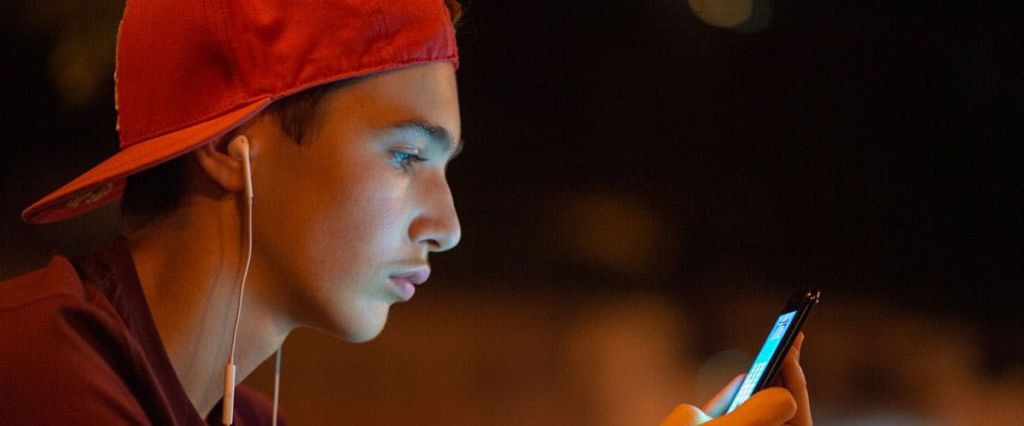
What do cyber-bullies gain from hurting ‘others’?
64% of victims who receive an aggressive instant message say they know the perpetrator from in-person situations.
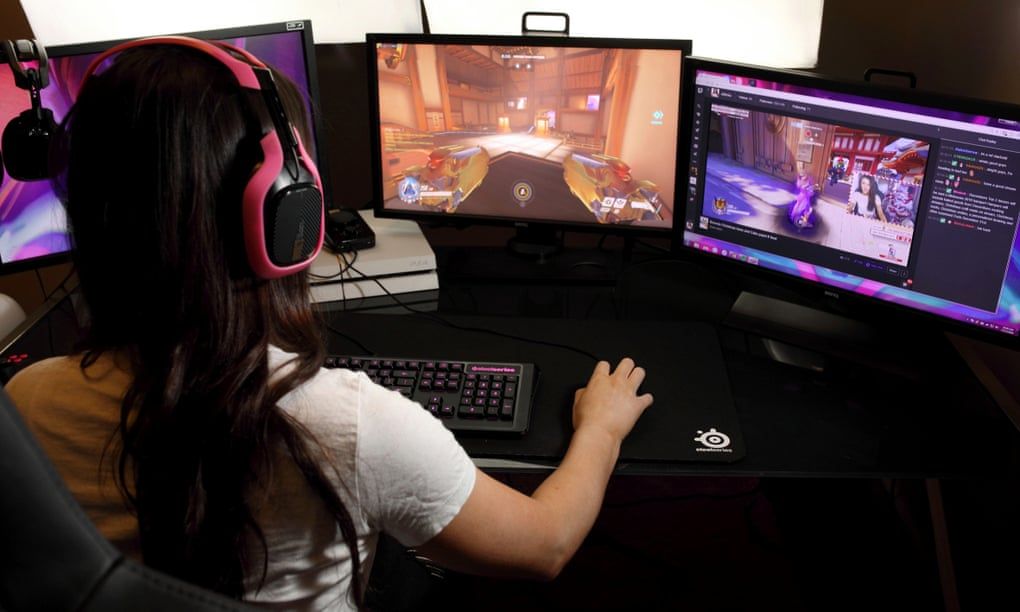
Even when they personally know their victims, perpetrators often resort to annoying, upsetting, and embarrassing them online, mostly by mocking their photos or status updates in group chats (35%). Perpetrators can also troll victims in an online game (25%).
Cyberbullying is bullying with the use of digital technologies. It can take place on social media, messaging platforms, gaming platforms and mobile phones. It is repeated behaviour, aimed at scaring, angering or shaming those who are targeted. The motives behind why kids cyberbully.
- Revenge.
- Victim-Blaming.
- Boredom.
- Peer Pressure.
- Groupthink.
- Power Hunger.
- Daring.
- Lack of Empathy.
Let’s hear from young activists, changing their world.
“Cyber bullying” leads to “typing,” and then becomes “the conduit for cancel-culture.”
Think… before YOU Type!
Bullying they witnessed online—and the terrible consequences their peers suffered—inspired them to act.
Social media has also made it easier for us to compare ourselves to others. In the past, we were limited to comparing ourselves to the people in our immediate lives. Today, we can use social media to compare ourselves to people all over the world. This can lead to feelings of inadequacy and insecurity, but it can also motivate us to strive to be our best selves.

Why do cyber-bullies do poorly in school?
Cyber-bullying has been well-documented to affect the academic achievement of the victim adolescents. Therefore, bullied adolescents are likely to miss school, have higher absence rates, dislike school, and report receiving lower grades.
Social media platforms have had a profound impact on the notion of identity. In the past, identity was primarily defined by our relationships with others, our roles in society, and our personal experiences. Today, social media has given us new ways to express ourselves and to connect with others, which has led to a more fluid and complex understanding of identity.
Cyber-bullying unwanted behaviors provoke a range of physical, psychological, and emotional effects: stress, anxiety and/or panic attacks. loss of self-esteem. feelings of powerlessness.
Times Up… ENOUGH ALREADY!
Intense pain of losing a classmate to a violent crime, these Staley High School students refused to let fear and hatred dominate the memory of their friend.
Social media has led to a more fluid and complex understanding of identity. Social media has given us new ways to express ourselves, to connect with others, and to compare ourselves to others. This has led to a more nuanced and ever-evolving sense of self. Even if the self-expression exerts itself as violent.

Selfies are often called the Kiss Of Cyber-bullying
The selfies are spreading in hopes of kissing away cyberbullying on social networks. Whether or not you’ve been victimized by hurtful comments on social media, chances are you’ve probably witnessed bullying in some form on a digital platform.
- Doxxing is a harmful act of exposing someones personal information without their consent on social media, the dark web, or any other public forum. This form of cyberbullying is often used to extort favors and other benefits from victims resulting in multiple attacks they could resist.
- Sexting is any threatening communication sent electronically to another person demanding compliance. Any explicit pictures intended to harm another person’s reputation. Body shaming. Lifestyle-choice Exposure. In addition, sexting is often included in cyberbullying legislation, called luring; enticing. Used to show that you do not think what someone has done or said is very exciting or interesting: “He’s started ironing his own shirts.” “Well, bully for him!”
Leaders of the Radical Brownies
A group for girls of color focused on social justice, community activism and embracing all aspects of their identities. (Note: Since this documentary was filmed, the Radical Brownies have changed their name to the Radical Monarchs!)
Cancelled’ streamer’s popularity grows after criticizing alleged woke indoctrination

Awareness, acknowledgement, and addressing cyber-bullying is key to prevent online harassment.
Cyberbullying includes sending, posting, or sharing negative, harmful, false, or mean content about someone else. It can include sharing personal or private information about someone else, causing embarrassment or humiliation.
We should make the children aware from an early age so they are always cautious. Moreover, parents must monitor their children’s online activities and limit their usage. Most importantly, cyberbullying must be reported instantly without delay.
Family ‘beef’ on Facebook leads to fatal shooting of 21-year-old

In order to address the issue of cyber-bullying and cancel culture, it is important to take a multi-faceted approach. This should include efforts to educate the public about the dangers of cyber-bullying, as well as measures to hold cyber-bullies accountable for their actions. Additionally, social media platforms and other digital platforms should take steps to protect their users from online harassment and abuse.
Cyber-bullying is a serious issue that has far-reaching consequences. By creating a conduit for cancel culture, cyber-bullying undermines our collective ability to engage in meaningful dialogue and debate. It is critical that we take steps to address this issue and ensure that everyone has the freedom to express their opinions without fear of harassment or abuse.
What counts as cyberbullying?
If you’ve ever seen the TV host Jimmy Kimmel’s segment “Celebrities Read Mean Tweets,” you will have an idea of what it means to cyberbully someone. Although this segment is humorous, the reality of the situation is very different.
Cyberbullying is any type of harassing, threatening, demeaning language. It can also involve embarrassing another person online. Typically, this is done through mean comments, online rumors, and even sexual remarks. They’re usually connected with appearance, intelligence, race, or sexuality.
Essentially, anything that is posted online that’s intended to hurt or upset someone else, regardless of what the topic is, is considered to be cyberbullying.
The rise of social media and other digital platforms has had a profound impact on society. These platforms have changed the way we communicate, consume information, and interact with the world around us. While there are some risks associated with social media, the benefits outweigh the risks. Social media is a powerful tool that can be used for good or for bad. It is up to us to use it responsibly.



One thought on ““Cyber-bullying leads to typing:” A conduit for cancel-culture”