

Authoritarianism indoctrination varies from person to person and can depend on a variety of factors such as cultural background, education, and personal experiences. However, some individuals who support authoritarianism may believe that it provides a sense of order and stability in society, or they may see it as a means of achieving their desired political or social outcomes.

PACETULSA.COM

by pacetulsa
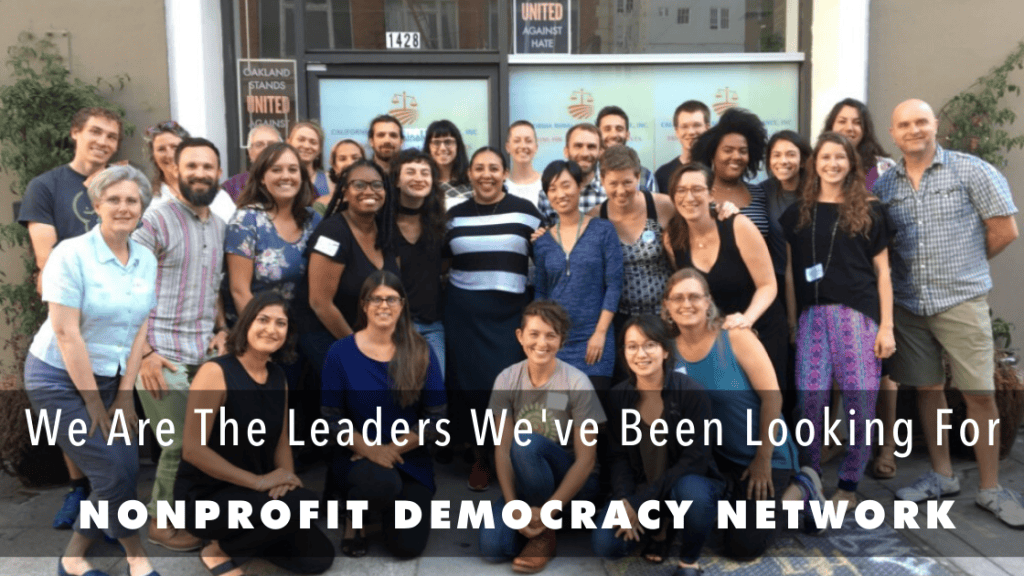
Fostering Empathy and Understanding through Civil Discourse by Building a Society that Values and Protects All Lives.
Those who support authoritarianism may seek to change their government by consolidating power in the hands of a single leader or party, restricting individual freedoms and civil liberties, and suppressing dissent and opposition. This approach can be detrimental to democracy and human rights and can lead to long-term negative consequences for society as a whole.
An authoritarianist approach is detrimental to democracy and human rights because it concentrates power in the hands of a single leader or party, which can lead to the suppression of opposition and dissent. This can also result in the restriction of individual freedoms and civil liberties, which are the cornerstone of democratic societies. Additionally, authoritarianism can lead to the erosion of the rule of law and the disregard for human rights. In the long run, this can have negative consequences for society as a whole, such as the weakening of institutions, the loss of trust in government, and the stifling of innovation and progress.

Empirically, when these issues became apparent to citizens, there were efforts to address them through political engagement, advocacy for institutional reform, and support for innovative and progressive initiatives. It’s important for citizens to actively participate in the democratic process and work towards positive change.
The rise of authoritarianism can be attributed to a variety of factors, such as economic instability, social unrest, and political polarization. In some cases, authoritarian leaders take advantage of these factors to consolidate their power and promote their agenda.
Authoritarian leaders use fear-mongering tactics to portray themselves as the only solution to the problems facing society. They may also employ propaganda and misinformation to manipulate public opinion and suppress dissent.

There are several political engagement activities available for individuals seeking institutional reform and increased support for innovative and progressive initiatives. These activities include:
- Lobbying. Where individuals can engage in lobbying efforts to advocate for specific policy changes and reforms. This can involve meeting with elected officials, writing letters, making phone calls, and participating in advocacy campaigns.
- Grassroots organizing
Getting involved in grassroots organizations and campaigns can help individuals amplify their voices and mobilize support for their causes.
This can involve organizing events, rallies, and community outreach efforts.
- Political campaigning
Supporting political candidates who align with your goals and values can be an effective way to promote institutional reform and progressive initiatives. This can involve volunteering for campaigns, making donations, and participating in voter outreach efforts.
- Policy research and analysis
Engaging in in-depth policy research and analysis can help individuals develop evidence-based proposals for institutional reform and innovative initiatives. This can involve conducting research, writing policy briefs, and engaging in public education efforts.
- Community activism
Getting involved in local community organizations and initiatives can be a powerful way to advocate for change at the grassroots level. This can involve participating in community meetings, organizing local events, and working with community leaders to advance your goals.
These are just a few examples of the political engagement activities available for individuals seeking institutional reform and increased support for innovative and progressive initiatives. By getting involved and taking action, individuals can play a critical role in shaping the future of their communities and society as a whole.
Let’s Take A Look At Some Counterarguments for wanting to support Authoritarianism
- How would you respond to someone who argues that the erosion of democratic institutions and the weakening of the rule of law are natural processes that occur in all political systems and are not necessarily indicative of a move toward authoritarianism?
Indeed, the erosion of democratic institutions and the weakening of the rule of law can occur in various political systems. However, it is important to recognize that these developments should not be dismissed as natural and inevitable. While some degree of institutional erosion may be common, it is crucial to analyze the specific context and the extent of these changes.
Furthermore, it is essential to consider the consequences and implications of such erosion. Even if these processes are not always indicative of a direct move toward authoritarianism, they can still have detrimental effects on the functioning of a democratic society. The erosion of democratic institutions and the weakening of the rule of law can lead to a lack of accountability, decreased transparency, and a concentration of power in the hands of a few, which can ultimately undermine the principles of democracy.
While it is true that some degree of institutional erosion may occur in political systems, it is important to critically assess the context and consequences of these developments rather than simply accepting them as natural processes. It is crucial to remain vigilant and actively work to safeguard democratic institutions and the rule of law to uphold the principles of democracy.
- Have you considered addressing the viewpoint that the rise of authoritarianism can be a necessary response to social or economic instability, providing a sense of order and stability that democratic institutions may fail to deliver?
While it is important to acknowledge the challenges democratic institutions face in times of social or economic instability, it is crucial to recognize that the rise of authoritarianism poses significant threats to human rights, freedom, and the principles of democracy. Authoritarian regimes often suppress dissent, limit civil liberties, and concentrate power in the hands of a few, leading to systemic oppression and inequality.
Furthermore, history has shown that authoritarian governments can exacerbate social and economic instability rather than provide sustainable solutions. Therefore, it is essential to explore alternative approaches that strengthen democratic institutions and address the root causes of instability without compromising fundamental rights and freedoms.
- What about those who argue that in certain circumstances, a temporary authoritarian regime may be a more effective means of establishing long-term democratic governance in a country?
A temporary authoritarian regime may be more effective in establishing long-term democratic governance in certain circumstances, it is essential to consider the potential risks and consequences associated with such an approach.

History has demonstrated that the consolidation of power in the hands of an authoritarian regime often leads to the erosion of civil liberties, human rights abuses, and the suppression of political opposition. Furthermore, the transition from authoritarianism to democracy is often complex and uncertain, and there is no guarantee that a temporary authoritarian regime would willingly relinquish power once its objectives are achieved.
Instead, a more sustainable approach to promoting democratic governance would involve strengthening democratic institutions, promoting civic engagement, and fostering a culture of political pluralism.
In addition, the erosion of democratic institutions and the weakening of the rule of law can create a power vacuum that authoritarian leaders exploit to seize control.
The rise of authoritarianism can be gradual, with leaders slowly chipping away at democratic norms and freedoms, or it can be sudden, as in the case of coups or revolutions. Regardless of the path to power, authoritarianism is a threat to democracy and human rights, and it is important to remain vigilant to protect these values.
Fostering Empathy and Understanding through Civil Discourse by Building a Society that Values and Protects All Lives
Civil discourse plays a pivotal role in shaping societal attitudes and behaviors. Effective civil discourse not only encourages empathy and understanding but also catalyzes building a society that values and protects the lives of all its members. Certain types of civil discourse actively contribute to the creation of a more inclusive and compassionate society.
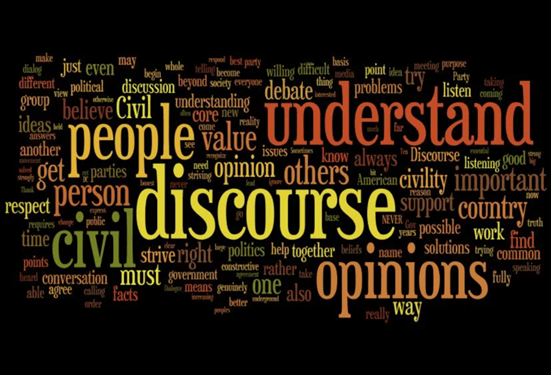
Types of Civil Discourse that Promote Empathy and Understanding
- Active Listening and Validation
Genuine engagement in civil discourse involves active listening to diverse perspectives and validating the experiences and emotions of others. This type of discourse fosters empathy by acknowledging the lived realities of individuals and promotes understanding by creating space for meaningful dialogue.
- Constructive Dialogue and Conflict Resolution
Civil discourse that encourages constructive dialogue and effective conflict-resolution techniques plays a crucial role in building empathy and understanding. By facilitating respectful conversations even in the face of disagreements, this type of discourse paves the way for societal harmony and mutual respect.
- Intersectional Advocacy and Empowerment
Promoting civil discourse that recognizes intersectionality and advocates for the empowerment of marginalized voices is essential in creating a society that values and protects all its members. By highlighting the interconnected nature of social identities and experiences, this discourse type amplifies empathy and understanding across diverse communities.
- Ethical and Moral Reflection
Engaging in civil discourse that encourages ethical and moral reflection contributes to a society that values and protects all lives. By contemplating the ethical implications of societal norms and policies, individuals can develop a deeper understanding of the impact of their actions and advocate for systemic change that prioritizes human dignity and well-being.
Fostering empathy and understanding through civil discourse is instrumental in creating a society that values and protects the lives of all its members. By embracing active listening, constructive dialogue, intersectional advocacy, and ethical reflection, individuals can actively contribute to a more compassionate and inclusive society. Educational institutions, community organizations, and policymakers must recognize the transformative power of civil discourse in promoting empathy and understanding, and collectively work towards building a world where every individual is valued and protected.

Targeted authority rule expanding human rights freedoms
Some opponents of targeted authority rule argue these can limit human rights and freedoms by giving too much power to a select few individuals or entities. This can lead to abuse of power, oppression, and violations of basic human rights. Instead of expanding freedoms, targeted authority rule can result in the suppression of dissenting voices and the restriction of individual liberties. Additionally, targeted authority rule may prioritize the interests of the ruling authority over the rights and freedoms of the people, leading to inequality and injustice. These U.S. government proclamations, acts, and policy actions have acutely targeted authority rule expanding human rights freedoms.
- June 2021: President Biden signs legislation establishing June 19th as Juneteenth National Independence Day, marking the end of slavery in the United States.
- May 2021: The Biden administration announces plans to increase funding for cybersecurity and establishes new policies to protect critical infrastructure from cyber attacks.
- January 2021: Following the Capitol riots, law enforcement agencies at the federal and state level take measures to increase security around government buildings and public spaces.
- November 2020: The Department of Homeland Security releases a report stating that the 2020 election was the most secure in American history, despite attempts by foreign actors to interfere.
- July 2020: The U.S. government imposes sanctions on Chinese officials responsible for human rights abuses against Uighur Muslims in Xinjiang province.
- June 2020: The Supreme Court rules that existing federal law prohibits employment discrimination against LGBTQ individuals.
- March 2020: Congress passes the Coronavirus Aid, Relief, and Economic Security (CARES) Act, providing financial assistance to individuals and businesses affected by the COVID-19 pandemic.
The civilian community of the United States Republican Democracy can remain vigilant to protect human life by staying informed about current events and political developments, participating in peaceful demonstrations and advocacy efforts, supporting organizations that promote human rights and democracy, and holding elected officials accountable for their actions. It’s also important to engage in civil discourse, promote empathy and understanding, and actively work towards creating a society that values and protects the lives of all its members.


