

Tulsa, Oklahoma, once renowned primarily for its oil industry, is undergoing a remarkable economic transformation. The city is actively diversifying its economy, embracing sustainability, and enhancing its quality of life. This shift is driven by a combination of strategic planning, community initiatives, and external factors.

by pacetulsa

Tulsa’s economic renaissance is shifting towards diversification and sustainability
Tulsa’s thriving technology ecosystem
One of the most significant changes in Tulsa’s economic landscape is the diversification beyond energy. The city is actively fostering a thriving technology ecosystem, attracting startups and established companies in sectors such as aerospace, cybersecurity, and artificial intelligence. Initiatives like the Tulsa Innovation District and the Gathering Place have played a pivotal role in creating a conducive environment for innovation and entrepreneurship.

Sustainability
Sustainability is another key priority for Tulsa. The city is exploring opportunities in renewable energy sources, such as wind and solar power, to reduce its carbon footprint. Furthermore, Tulsa is prioritizing environmental conservation and sustainability efforts, including initiatives to protect natural resources and improve air and water quality.
Tulsa is also embracing the creative industries
In addition to technology, Tulsa is also embracing the creative industries. The city has recognized the potential of the creative economy and is supporting the growth of industries like film, music, and design. This shift has not only contributed to economic diversification but has also enhanced Tulsa’s cultural vibrancy.

Community development and equity
Community development and equity are also integral to Tulsa’s economic transformation. The city is committed to fostering economic growth that benefits all segments of the community, addressing issues of inequality and ensuring equitable access to opportunities.
Diversification
The city’s focus on quality of life has also been instrumental in attracting and retaining talent. Tulsa has invested in revitalizing its downtown area and neighborhoods, creating a more vibrant and walkable urban environment. Additionally, the city is committed to providing educational opportunities, affordable housing, and cultural amenities to enhance the overall quality of life for its residents providing educational opportunities, affordable housing, and cultural amenities to enhance the overall quality of life for its residents.
Tulsa’s economic renaissance is a testament to the city’s adaptability and resilience. By diversifying its economy, embracing sustainability, and enhancing its quality of life, Tulsa is positioning itself as a dynamic and thriving city that is well-prepared for the challenges and opportunities of the 21st century.

The pervasive issue of homelessness
The pervasive problem of homelessness in Tulsa, Oklahoma, poses a compelling moral duty for our community. Although addressing this crisis is unquestionably a substantial ethical responsibility, it does not constitute a categorical imperative as defined by Immanuel Kant. Today, we will explore the reasons for this assertion, examining the complex interplay between economic factors, moral considerations, and the limitations of the categorical imperative framework.
The categorical imperative
The categorical imperative posits that moral actions should be guided by universalizable principles that are applicable to all rational beings. In essence, it demands that individuals act only according to maxims that they can simultaneously will to be universal laws. Imagine you’re considering lying to a friend to get out of a commitment or that Tulsa creates homeless people every week. And people have just burned their bridges and lost their way.

A hypothetical imperative posits
“If you want to avoid feeling guilty, you should tell your friend the truth.” This means that the action (telling the truth) is only necessary if you want to achieve a specific goal (avoiding guilt). “If you want to prevent the cycle of homelessness, you should invest in programs that provide support and resources to individuals who are at risk of becoming homeless.”
A categorical imperative implies
“You should always tell the truth.” This means that telling the truth is a universal moral obligation, regardless of your personal desires or goals. It’s a rule that everyone should follow, no matter the circumstances. “You should always strive to help those in need, regardless of their circumstances.” In essence, the categorical imperative demands that your actions be based on principles that you would want everyone to follow, even if it means sacrificing your own personal desires. While homelessness is a pressing societal concern, it does not meet the criteria for a categorical imperative.
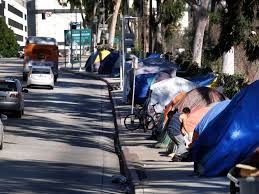
Examining homelessness as a categorical imperative
Homelessness is a contingent state
Homelessness is not a necessary or inevitable condition of human existence. It is a result of various factors, including economic inequality, mental health challenges, substance abuse, and lack of affordable housing. These factors are often interconnected and influenced by historical, social, and economic conditions. In essence, homelessness is not a universal principle because it’s a specific condition that depends on a variety of factors and is not applicable to all rational beings in all circumstances. It’s a complex issue that requires understanding the specific contexts and challenges faced by individuals experiencing homelessness.
The moral obligation to address homelessness is not a purely universal principle.
There is a strong ethical imperative to alleviate suffering and promote human dignity, the specific actions required to address homelessness may vary depending on cultural, historical, and individual circumstances. For example, the most effective strategies for reducing homelessness in Tulsa may differ from those in other cities or countries due to variations in economic conditions, social structures, and cultural norms.

Addressing homelessness often involves ethical dilemmas
Resolving the issue of homelessness frequently presents ethical challenges, such as the need to reconcile individual rights with societal demands or distribute scarce resources equitably. These dilemmas highlight the complexity of the issue and the need for careful consideration of various perspectives. The categorical imperative, with its emphasis on universal principles, may not provide sufficient guidance for navigating these complex moral choices. While some individuals may become homeless due to personal choices, it’s essential to recognize that systemic issues like economic inequality, lack of affordable housing, and inadequate social services also play a crucial role. Addressing homelessness requires a refined method that acknowledges the complexity of the issue and the need to provide support and assistance to individuals in need, while also considering the broader societal implications.

Homelessness presents a strong moral obligation and an ethical dilemma for our community
Homelessness does not constitute a categorical imperative. The issue is contingent, influenced by various factors, and involves complex ethical dilemmas. While there is a clear ethical imperative to alleviate suffering and promote human dignity, the specific actions required to address homelessness may vary depending on specific contexts. By recognizing the limitations of the categorical imperative framework, we can develop more nuanced and effective approaches to addressing this pressing societal challenge.
Individual Rights vs. Societal Needs
Homelessness presents a complex ethical challenge that often involves balancing individual rights with societal needs. One of the primary areas of tension lies in the relationship between public safety and the rights of individuals experiencing homelessness. Increased crime rates associated with homelessness can raise concerns for the broader community, leading to calls for stricter measures to address public safety. However, these measures may infringe upon the rights of homeless individuals, creating a delicate balance between security and compassion.

The use of public spaces by homeless individuals
While public spaces are intended to be accessible to all, the needs of homeless individuals may conflict with the needs of other community members. Determining the appropriate use of public spaces raises ethical questions about the rights of all individuals and the responsibilities of the community to provide alternative solutions.

The allocation of limited resources addressing homelessness
The availability of affordable housing is often insufficient to meet the needs of all individuals experiencing homelessness, necessitating difficult decisions about how to prioritize housing allocations. Additionally, social services such as shelters, food banks, and mental health counseling are often in high demand but have limited resources, requiring careful consideration of which groups of homeless individuals should receive priority.

The interplay between individual responsibility and societal obligation
While some individuals may become homeless due to personal choices, such as substance abuse or criminal activity, it is important to recognize that systemic factors, such as economic inequality and lack of affordable housing, can also contribute to homelessness. This raises questions about society’s obligation to provide support and assistance to individuals in need, regardless of their personal circumstances.

Proposed Policy for Addressing Homelessness in Tulsa
Understanding the Homelessness Problem
Based on the findings, a comprehensive approach to addressing homelessness in Tulsa must consider economic factors, ethical dilemmas, and alternative strategies. The proposed policy aims to address these issues by implementing a multi-faceted approach that combines economic development, social services, and community engagement.

Policy Components
Economic Development and Job Creation:
Incentives for Affordable Housing: Provide tax incentives or grants to developers to encourage the construction of affordable housing units.
Job Training Programs: Partner with local businesses and educational institutions to offer job training programs for individuals experiencing homelessness, focusing on skills that align with in-demand industries in Tulsa.
Living Wage Initiatives: Advocate for policies that promote a living wage for all workers, reducing the likelihood of individuals becoming homeless due to low-paying jobs.

Expanded Social Services
Supportive Housing:
Increase the availability of supportive housing units that provide not only housing but also essential services such as case management, mental health counseling, and substance abuse treatment.

Rapid Rehousing:
Implement a rapid rehousing program to quickly move individuals out of homelessness and into stable housing, providing temporary assistance and support.

Diversionary Services:
Expand diversionary programs that prevent individuals from becoming homeless by providing assistance before they lose their housing.

Community Engagement and Partnerships:
Volunteer Programs:
Encourage community members to volunteer their time and skills to support homeless individuals and organizations.

Partnerships:
Foster partnerships between government agencies, non-profit organizations, and businesses to develop and implement solutions to homelessness.

Public Awareness Campaigns:
Conduct public awareness campaigns to educate the community about homelessness and promote understanding and compassion.

Policy Reforms
Affordable Housing Policies:
Advocate for policies that increase the availability of affordable housing, such as inclusionary zoning and rent control.

Mental Health and Substance Abuse Services:
Expand access to mental health and substance abuse treatment services to address the underlying causes of homelessness.

Social Safety Net:
Strengthen the social safety net to provide a reliable support system for individuals experiencing homelessness.

Implementation and Evaluation
To ensure the effectiveness of this policy, it is essential to:

Monitor and Evaluate:
Regularly monitor and evaluate the outcomes of the policy to identify areas for improvement and make necessary adjustments.

Engage Stakeholders:
Involve community members, non-profit organizations, government agencies, and businesses in the development and implementation of the policy.
Allocate Resources:
Ensure adequate funding and resources are allocated to support the implementation of the policy.
By implementing this comprehensive approach to homelessness as a policy solution that addresses Tulsa, Oklahoma’s evolving economic priorities and the non-categorical imperative nature of homelessness in our community, we can effectively tackle the complex issue of homelessness by integrating economic development, social services, and community engagement.
This policy seeks to equip individuals experiencing homelessness with the necessary support and resources to attain stability and self-sufficiency, while simultaneously fostering a more equitable and compassionate community.


