The evolution of traffic control in the United States is deeply intertwined with the nation's urbanization and the rise of the automobile. As cities grew and more cars took to the roads, the need for effective traffic management became increasingly apparent.

by pacetulsa
Early Traffic Control
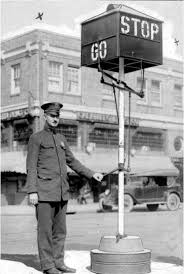
In the early days of American cities, traffic control was relatively simple. Streets were narrow, and vehicles were few, so congestion was minimal. However, as the automobile became more popular, the need for traffic regulation emerged. Early traffic control measures included simple traffic signals, street signs, and police officers directing traffic.
The Automobile Age
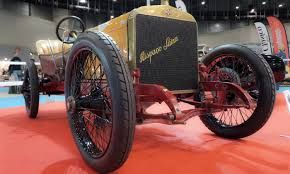
The advent of the automobile era brought significant changes to traffic control. Cities expanded, and roads became wider and busier. To accommodate the growing number of vehicles, more sophisticated traffic control systems were developed. These included:
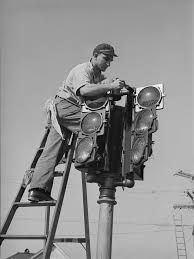
- Traffic signals: More advanced traffic signals with timers and pedestrian walk signals were introduced.
- One-way streets: To improve traffic flow, many streets were designated as one-way.
- Intersections: Complex intersections with traffic lights and turn lanes were built to handle heavy traffic volumes.
- Highway systems: The construction of extensive highway systems connected cities and regions, facilitating long-distance travel.
Modern Traffic Control
In recent decades, traffic control has become even more advanced. Technological innovations have led to the development of:
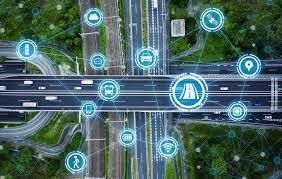
- Intelligent Transportation Systems (ITS): ITS uses technology to improve traffic management, including adaptive traffic signals, variable message signs, and real-time traffic information.
- Traffic cameras: Cameras are used to monitor traffic flow, detect accidents, and enforce traffic laws.
- Transportation management centers: These centers use data from sensors, cameras, and other sources to optimize traffic flow and respond to incidents.
- Autonomous vehicles: The development of self-driving cars has the potential to revolutionize traffic control by reducing human error and improving traffic efficiency.
As technology continues to advance, traffic control methods will undoubtedly evolve further. The goal remains the same: to ensure safe and efficient movement of people and goods on our roads.