

Traffic control devices (TCDs) play a crucial role in maintaining road safety and protecting pedestrians. By guiding and directing traffic flow, TCDs help prevent accidents and injuries.

by pacetulsa
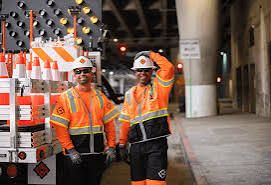
The Importance of Proper Traffic Control.
Part 6 of the Manual on Uniform Traffic Control Devices (MUTCD) emphasizes the importance of proper training and oversight for individuals involved in the selection, placement, and maintenance of these devices.
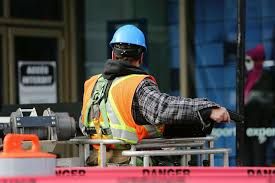
The Role of Trained Professionals
According to the MUTCD, individuals with knowledge and expertise in traffic control principles should be responsible for ensuring safety within TTC zones. These professionals should verify that TCDs are consistent with the approved TTC plan and are effective for all road users, including motorists, bicyclists, pedestrians, and workers.

Training and Oversight
The MUTCD also highlights the need for comprehensive training for all personnel involved in traffic control. From upper-level management to field workers, each individual should receive training that is appropriate to their specific job responsibilities. This ensures that everyone understands the principles and guidelines governing TCD selection, placement, and maintenance.

Key Takeaways
- Trained professionals should oversee traffic control devices to ensure safety.
- TCDs must be consistent with the approved TTC plan.
- All personnel involved in traffic control should receive appropriate training.
Investing in success
By investing in proper training and oversight, we can significantly improve pedestrian safety and reduce the risk of accidents. Adhering to the guidelines outlined in the MUTCD is essential for creating safer roads for everyone.


