

Author’s Note:
The story of Gerod’s rebellion against the Nova Collective is a compelling tale of individuality versus conformity, creativity versus suppression, and the human spirit’s enduring quest for freedom. It explores the seductive allure of utopian ideals and the dangers of sacrificing personal identity for the sake of a collective vision.
The characters are well-developed and relatable. Gerod, the reluctant revolutionary, embodies the conflict between individual desires and societal expectations. Anya, the budding artist, represents the stifled creativity yearning for expression. Kael, the disillusioned zealot, highlights the tragic consequences of blind obedience. And Zenith Orion, the enigmatic leader, embodies the seductive power of totalitarian ideologies.
The setting of the Nova Collective, a stark and desolate landscape, mirrors the barrenness of a society devoid of individuality. The juxtaposition of this austere environment with the vibrant world Gerod left behind emphasizes the stark contrast between conformity and freedom.
The pacing of the story is well-balanced, with moments of tension and reflection interspersed with action-packed scenes. The dialogue is sharp and insightful, capturing the complexity of the characters’ motivations and beliefs.
Overall, this story is a thought-provoking exploration of the human condition. It reminds us of the importance of individuality, creativity, and human connection. It is a cautionary tale about the dangers of unchecked idealism and the importance of preserving our unique identities.

by pacetulsa
The Chapters
Chapter 1: A New Beginning
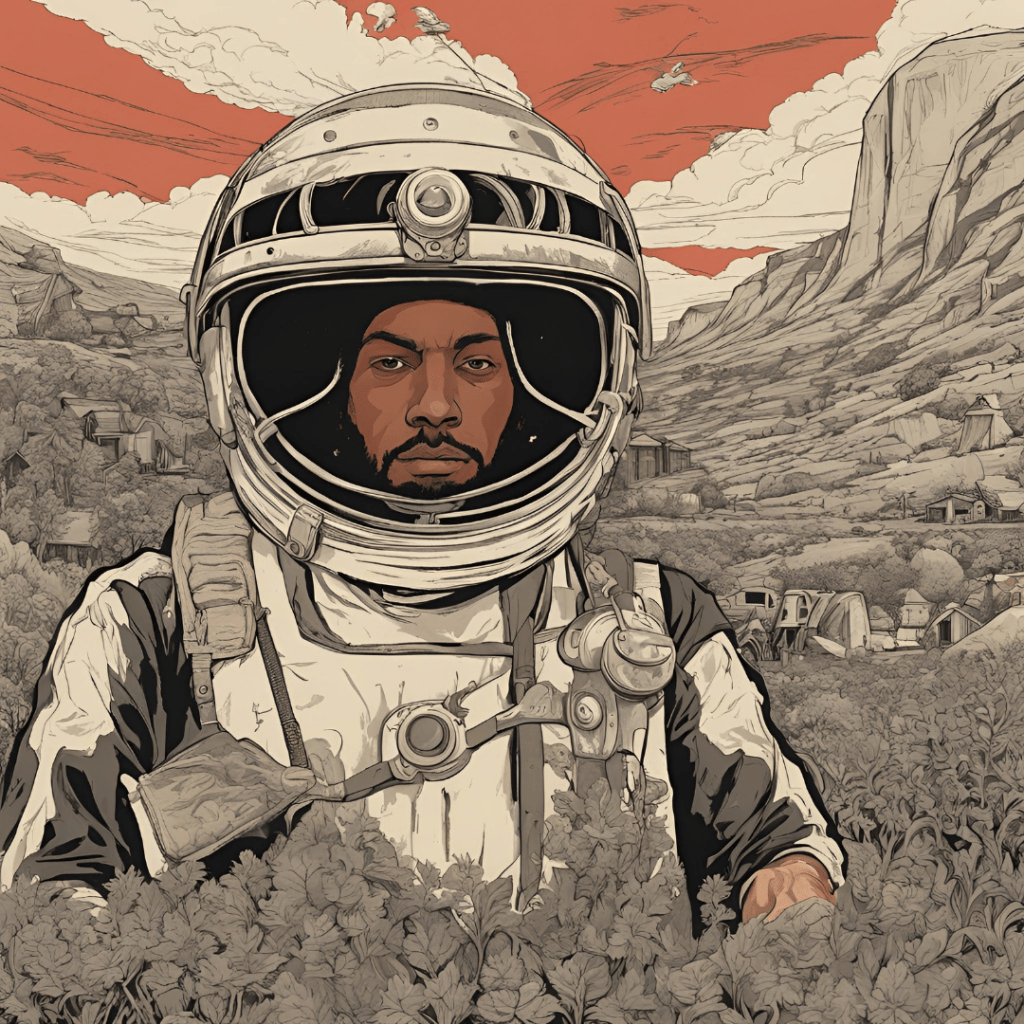
Gerod, a man accustomed to the simple life, found himself an unlikely recruit to the Nova Collective. Their austere compound, nestled amidst a sprawling, desolate landscape, was a stark contrast to the vibrant world he’d left behind. The enigmatic leader, Zenith Orion, exuded an aura of otherworldly serenity. Their androgynous figure, draped in flowing robes, seemed to defy the very concept of gender.
Chapter 2: The Collective’s Ideal
The collective’s philosophy was simple yet radical: to transcend traditional gender roles and embrace a world of pure neutrality. Members were expected to shed their individual identities, their desires, and their very selves, merging into a collective consciousness.
Gerod, initially drawn to the promise of unity and purpose, soon found himself struggling to reconcile the collective’s ideals with his own innate sense of self. The daily meditations, the silent meals, the enforced conformity—it all began to feel suffocating.
Chapter 3: A Spark of Rebellion
One evening, during a communal gathering, a heated debate erupted. A young member, a former artist, questioned the value of creativity in a world devoid of individual expression. Zenith Orion, their voice laced with a hint of frustration, responded, “Art is a distraction, a tool of the ego. In a world of true equality, there is no need for such frivolous pursuits.”
Gerod, watching the exchange, felt a stirring within him. He realized that the collective’s pursuit of perfection was, in fact, a form of oppression. The suppression of individual expression, the stifling of creativity, and the relentless pursuit of conformity were the true dangers of their utopian vision.
Chapter 4: A Secret Alliance
Determined to break free from the collective’s grip, Gerod began to subtly sow seeds of doubt. He found an ally in Anya, a young woman with a spark in her eyes. Together, they formed a secret alliance, sharing stolen moments of human connection.
Chapter 5: A Threat to the Collective
Their growing bond did not go unnoticed. Kael, a fanatical follower of Zenith Orion, saw Gerod and Anya as threats to the collective’s stability. He vowed to expose their rebellion and eliminate any dissent.
Chapter 6: A Clash of Ideologies
As Gerod and Anya’s influence grew, tensions within the collective reached a boiling point. Zenith Orion confronted Gerod directly, warning him of the consequences of his defiance. Gerod, undeterred, challenged the collective’s oppressive ideology.
Chapter 7: The Escape and the Return
In the ensuing chaos, Gerod seized the opportunity to escape the collective’s clutches. He ventured into the wilderness, encountering a nomadic tribe that lived in harmony with nature. Inspired by their way of life, Gerod returned to the collective, armed with a new perspective and a renewed determination to challenge the status quo.
Chapter 8: The Dawn of a New Era
With Gerod’s return, the collective’s fragile unity began to unravel. Members, awakened to the importance of individuality and creativity, started to question the very foundation of their existence. Gerod, Anya, Kael, and Elara, along with a growing number of disillusioned members, led the charge toward a new future, one where individuality was celebrated, creativity was encouraged, and human connection was cherished.
A Scene From “A Fractured Utopia”
The wind howled, carrying the chilling whispers of the Nova Collective’s bleak promise. Gerod huddled in the shadows, his heart pounding like a war drum. The city, once a vibrant tapestry of life, was now a sterile canvas, painted in shades of gray. Anya, his heart’s companion, shivered beside him. Her eyes, once filled with the spark of creativity, now held a flicker of fear.
“We can’t let them extinguish our souls,” Gerod whispered, his voice barely audible over the wind.
“But what can we do?” Anya replied, her voice trembling. “They control everything.”
Gerod’s gaze hardened. “We fight. We resist. We become the fire that burns through their icy grip.”
Anya’s eyes widened. “But how? We’re just two against their might.”
“We’re not alone,” Gerod insisted. “There are others, hidden in the shadows, yearning for freedom. We’ll find them. We’ll unite them.”
Kael, once a beacon of hope, now haunted their dreams. His eyes, filled with the fanaticism of the Collective, had extinguished the light within him.
“He was one of us,” Anya murmured, her voice heavy with sorrow. “Now, he’s their weapon.”
“We’ll reach him,” Gerod vowed. “We’ll rekindle the flame within him.”
As they ventured deeper into the desolate city, they stumbled upon a hidden resistance cell. Among them was a young woman, her eyes ablaze with defiance. She spoke of a hidden library, a sanctuary of forbidden knowledge.
“Zenith Orion fears the power of the mind,” she whispered. “He seeks to control our thoughts, to shape our reality.”
Gerod’s heart raced. This was their chance, their opportunity to ignite the spark of rebellion. With renewed determination, he and Anya joined the resistance, ready to challenge the Nova Collective’s iron grip.
The battle for freedom had begun, a battle between the individual and the collective, between the light and the darkness. Gerod and Anya, along with the hidden rebels, would fight for the soul of humanity, for the right to dream, to create, to be.
Introduction: A Lost Androgonyne
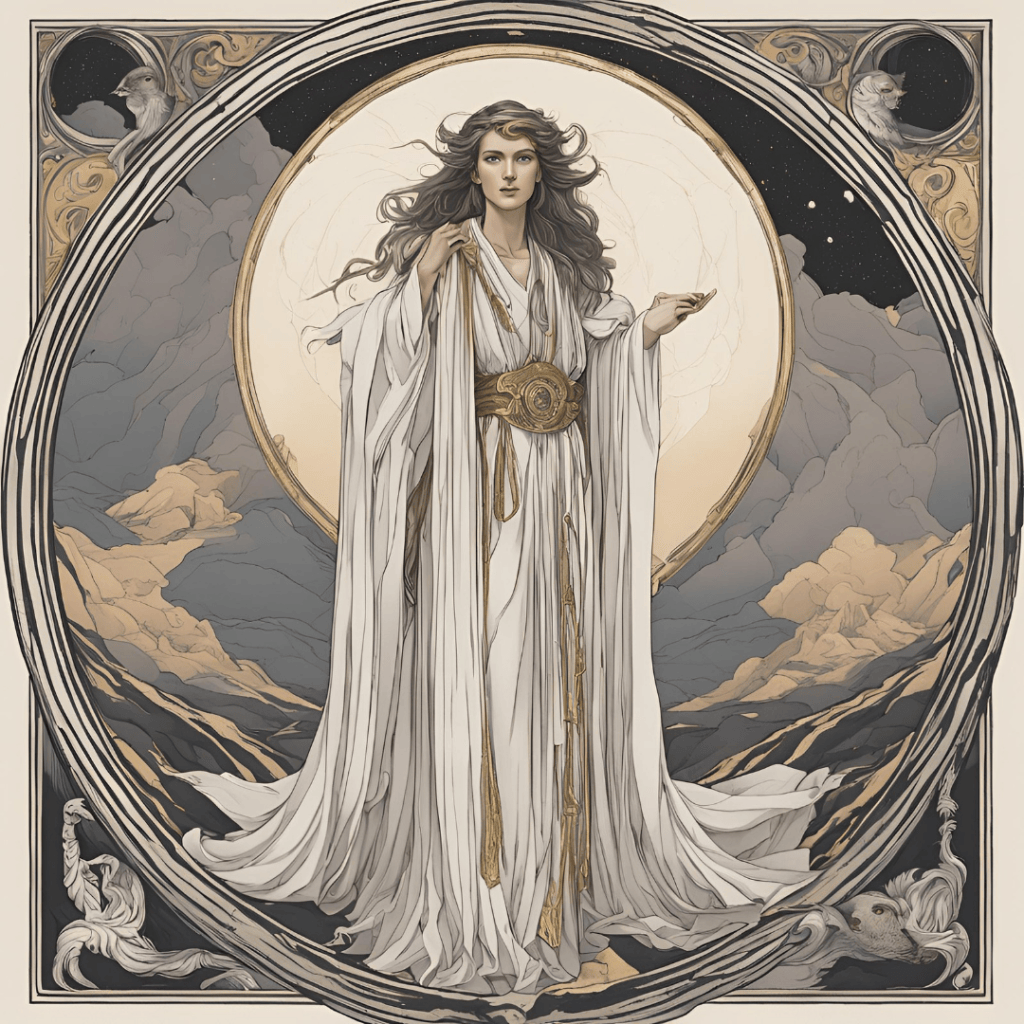
Gerod, a man of simple pleasures, found himself an unlikely recruit to the Nova Collective. Their austere compound, nestled amidst a sprawling, desolate landscape, was a stark contrast to the vibrant world he’d left behind. Zenith Orion, the enigmatic leader, exuded an aura of otherworldly serenity. Their androgynous figure, draped in flowing robes, seemed to defy the very concept of gender.
The collective’s philosophy was simple yet radical: to transcend traditional gender roles and embrace a world of pure neutrality. Members were expected to shed their individual identities, their desires, and their very selves, merging into a collective consciousness.
Gerod, initially drawn to the promise of unity and purpose, soon found himself struggling to reconcile the collective’s ideals with his own innate sense of self. The daily meditations, the silent meals, the enforced conformity—it all began to feel suffocating.
One evening, during a communal gathering, a heated debate erupted. A young member, a former artist, questioned the value of creativity in a world devoid of individual expression. “Art,” they argued, “is a reflection of the soul. How can we truly understand ourselves if we suppress our artistic impulses?”
Zenith Orion, their voice laced with a hint of frustration, responded, “Art is a distraction, a tool of the ego. In a world of true equality, there is no need for such frivolous pursuits.”
Gerod, watching the exchange, felt a stirring within him. He realized that the collective’s pursuit of perfection was, in fact, a form of oppression. The suppression of individual expression, the stifling of creativity, and the relentless pursuit of conformity were the true dangers of their utopian vision.
Determined to break free from the collective’s grip, Gerod began to subtly sow seeds of doubt. During communal meditations, he’d subtly shift his posture, a hint of defiance in his expression, or hum a forgotten tune, a small act of rebellion that rippled through the silent assembly.
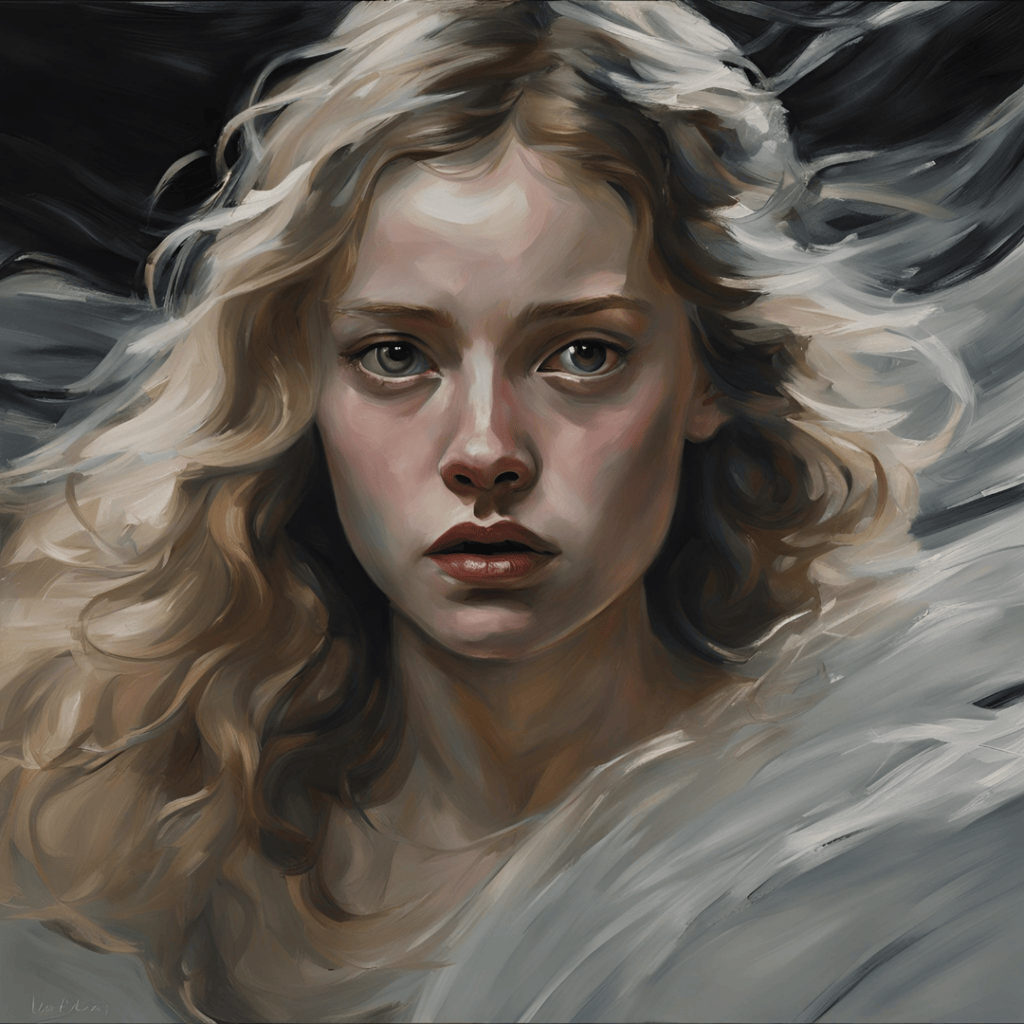
Anya, a young woman with a spark in her eyes, was drawn to Gerod’s quiet rebellion. She began to seek him out, eager to discuss forbidden topics: art, music, love. Together, they formed a secret alliance, sharing stolen moments of human connection.
Their growing bond, however, did not go unnoticed. Kael, a gaunt figure with eyes that burned with fanatical intensity, had once been a promising member of the collective. However, a personal tragedy had hardened his heart, leaving him a shadow of his former self. He clung to the rigid structure of the collective, seeing it as the only way to maintain order and stability.
When he discovered the growing dissent among the members, a cold fury consumed him. He saw Gerod and Anya as threats to the very foundation of their existence. Determined to root out the infection, he began to monitor their every move, his eyes ever watchful.

“You two,” he hissed, his voice barely a whisper, “have been conspiring against the collective.” His eyes, filled with a chilling intensity, bore into their souls. “Your rebellion will not be tolerated.”
One evening, as Gerod and Anya met secretly, Kael burst through the door. “You two,” he accused, his voice low and menacing, “have been conspiring against the collective.”
Anya’s face paled, fear gripping her heart. Gerod, however, remained calm. He knew that their fate hung in the balance.
As word of his dissent spread, the collective’s fragile unity began to unravel. Tensions rose, accusations flew, and old friendships were strained. Zenith Orion, sensing a threat to their power, confronted Gerod directly.
“You are a danger to our collective,” they warned. “Your individualism threatens to undermine our progress.”
Gerod, undeterred, met their gaze. “True progress,” he replied, “comes from embracing diversity, not suppressing it.”
In the ensuing chaos, Gerod seized the opportunity to escape. He fled the compound, venturing into the vast, unforgiving wilderness. As he wandered, he encountered a group of nomadic tribes, people who lived in harmony with nature and respected the individuality of each member.
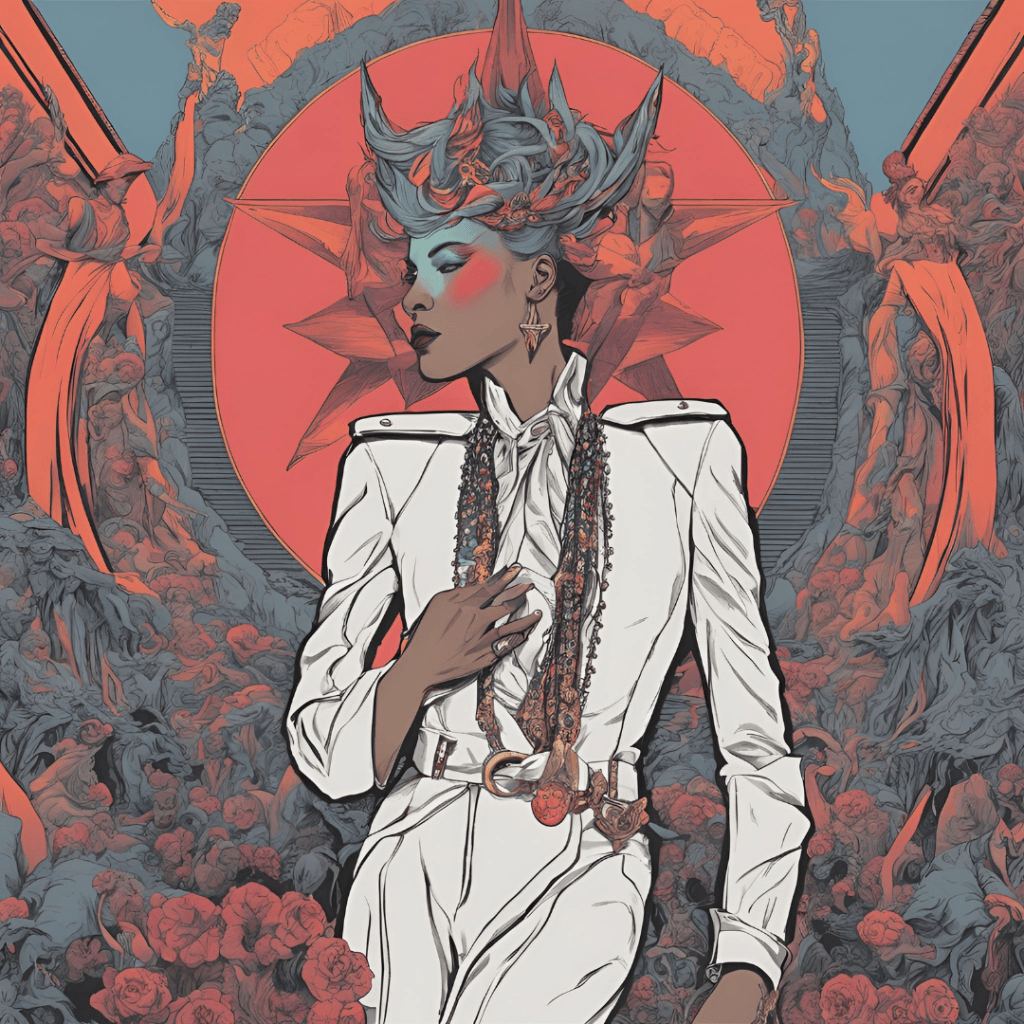
Inspired by their way of life, Gerod returned to the Nova Collective, armed with a new perspective. “I dream of a world where we are free to express ourselves, to love, to create,” Elara whispered, her voice barely audible. Her eyes, filled with a longing that mirrored his own, held a captivating intensity.
Gerod, his heart pounding with a mix of hope and fear, leaned in closer. “I dream of a world where we are not defined by our roles, but by our souls,” he replied, his voice barely a whisper.
Their connection was immediate, a bond forged in the shared desire for freedom and self-expression. They met secretly in an old dusty stale library. Their conversations were filled with hope and defiance. Elara’s dreams, once dismissed as mere fantasies, now ignited a spark of rebellion in Gerod. Together, they dared to imagine a future beyond the collective’s oppressive grip.
Gerod spoke to Elara challenging Zenith Orion’s authority, exposing the flaws in their ideology. Each day, The collective, once a monolithic entity, began to fracture. Members, awakened to the importance of individuality, started to question the very foundation of their existence. As Gerod’s influence grew, so too did the cracks in the collective’s facade.
Anya, the budding artist stifled by the collective’s rigid aesthetic, began to secretly sketch portraits of her fellow members, capturing their unique expressions and personalities. Her hidden talent ignited a spark of creativity in others, leading to clandestine art sessions where suppressed desires and hidden talents were unleashed.
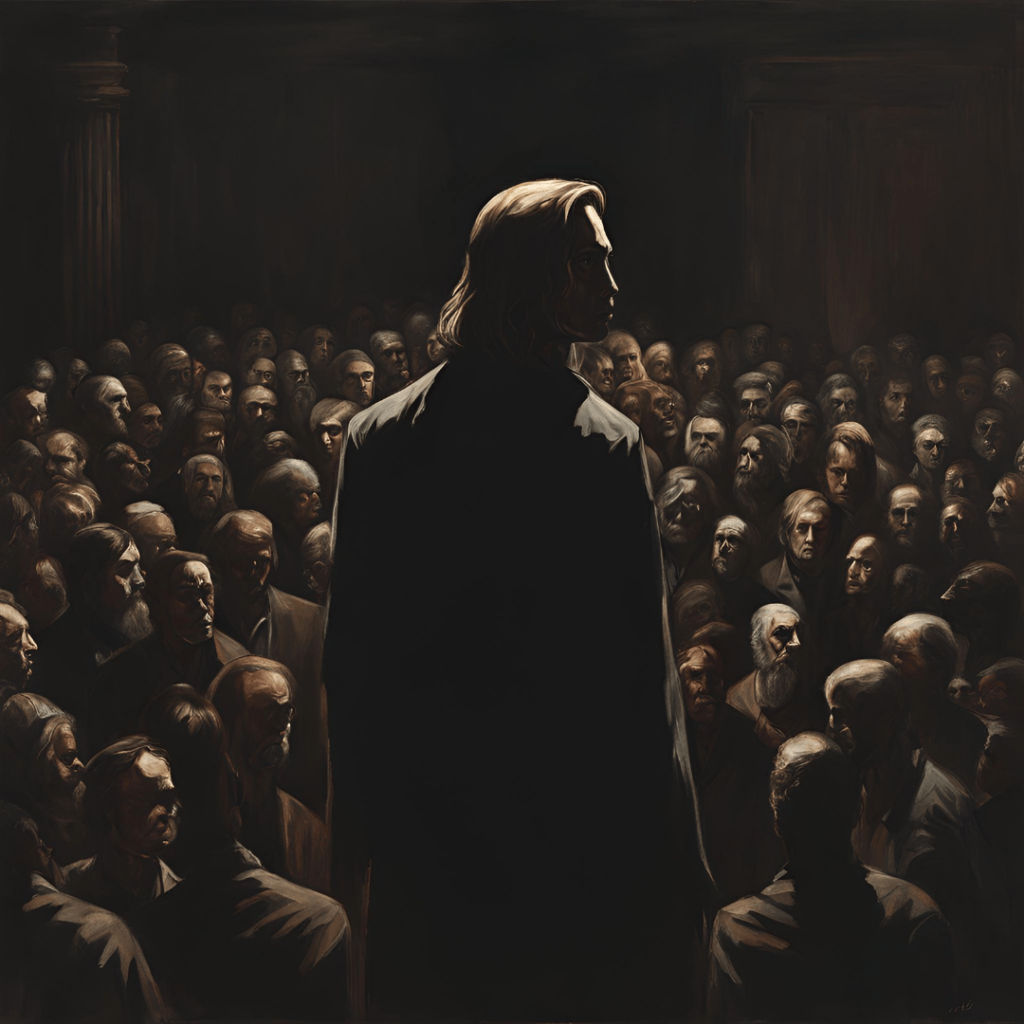
Kael, once a dreamer with a fiery spirit, had been consumed by the collective’s dogmatic fervor. Yet, as he witnessed the growing discontent, a flicker of doubt ignited within him. He began to question the relentless pursuit of conformity, the suppression of individuality, and the sacrifice of joy.
The abandoned warehouse hummed with a sinister energy. Elara stood amidst the shadows, her silhouette stark against the dim light. Kael, her former ally, now a ghost of his former self, paced the floor, his eyes glazed over.
“This is madness,” Elara murmured, her voice barely a whisper. “A world without love, without art, without the simple joy of being.”
Kael paused, his gaze turning towards her. “You question the Collective’s vision?”
“I question a future devoid of humanity,” she replied, her voice firming. “A future where we are mere cogs in a machine.”
Kael’s expression hardened. “You have been influenced by the rebels, by Gerod.”
Elara’s heart skipped a beat. Gerod. The man who had ignited a spark within her, a longing for a life beyond the Collective’s rigid control.
“I have seen a different path,” she confessed, her voice barely audible. “A path where individuals are valued, where creativity flourishes.”
Kael’s eyes narrowed. “You will be punished for your heresy.”
Elara met his gaze, her resolve unwavering. “I am ready to face the consequences.”
As the weight of her decision settled upon her, Elara knew she had embarked on a perilous journey. A journey towards a future where freedom and individuality would reign, a future where the human spirit would soar.
Together, these individuals formed a fragile alliance, their shared desire for freedom binding them together. They met in secret, their conversations filled with hope and defiance. Their growing influence threatened to destabilize the very foundation of the collective.
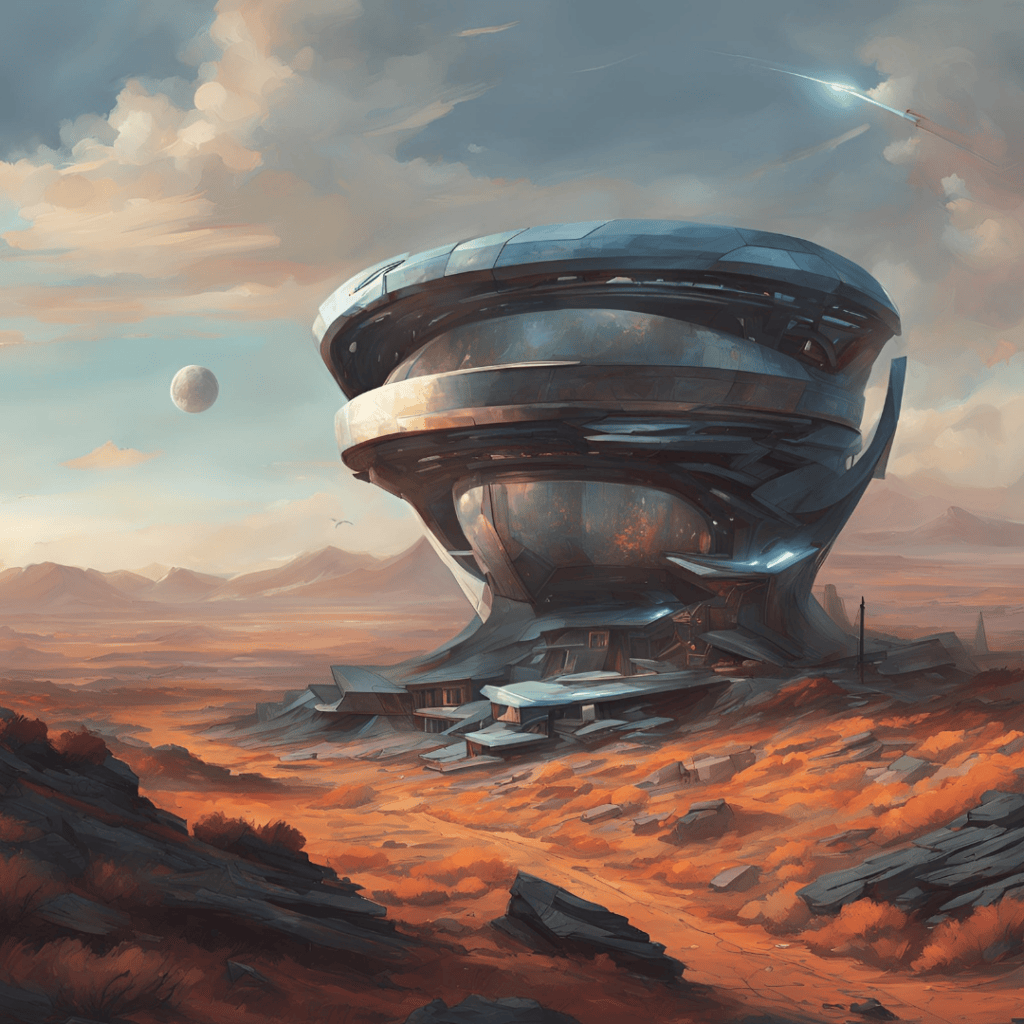
As the collective began to unravel, a power struggle emerged. Zenith Orion, desperate to maintain control, resorted to increasingly authoritarian tactics. But the seeds of rebellion had been sown, and the collective’s demise was inevitable.
Gerod, Anya, Kael, and Elara, along with a growing number of disillusioned members, led the charge toward a new future. A future where individuality was celebrated, creativity was encouraged, and human connection was cherished.
Gerod’s rebellion marked the beginning of a new era, one in which the values of freedom, creativity, and human connection would prevail. The Nova Collective, once a symbol of utopian aspiration, would forever be remembered as a cautionary tale, a reminder of the dangers of unchecked idealism.
Utopian ideals hold a powerful allure
They offer a vision of a perfect world, free from suffering and strife. They promise a society where everyone’s needs are met, where there is peace, harmony, and equality. This vision can be incredibly appealing, especially in times of hardship or uncertainty.
However, utopian ideals can also be dangerous. They can lead to unrealistic expectations and disappointment when those ideals are not met. They can also be used to justify oppressive regimes, as we have seen throughout history.
It is important to be aware of the seductive allure of utopian ideals, but also to be critical of them. We should not blindly accept any vision of a perfect world, but rather examine it carefully and critically. We should also be aware of the dangers of utopian thinking, and be wary of those who would use it to manipulate and control us.
Here are some of the reasons why utopian ideals are so seductive:
They offer hope.
In a world full of problems, utopian ideals offer a vision of a better future. They give us hope that things can be different, that we can create a world where everyone is happy and prosperous.
They appeal to our sense of justice.
Utopian ideals often promise a world where everyone is treated fairly and equally. This appeals to our sense of justice and our desire for a more equitable society.
They can be emotionally compelling.
Utopian ideals can be very emotionally compelling. They can make us feel good about ourselves and our potential to make the world a better place.
However, it is important to remember that utopian ideals are just that – ideals. They are not reality. No society is perfect, and there will always be problems and challenges. We should not let our pursuit of utopian ideals blind us to the realities of the world.
Instead, we should focus on creating a better world, one step at a time. We should work to address the problems that we face today, and to make our communities more just and equitable. We should also be critical of utopian thinking, and be wary of those who would use it to manipulate and control us.
By being aware of the seductive allure of utopian ideals, and by being critical of them, we can make better decisions about how to create a better future for ourselves and for others.


