
"A city's true measure lies not in its economic prosperity, but in its compassion for the most vulnerable. Tulsa, with its complex tapestry of challenges and opportunities, must strive to bridge the gap between potential and reality."

by pacetulsa
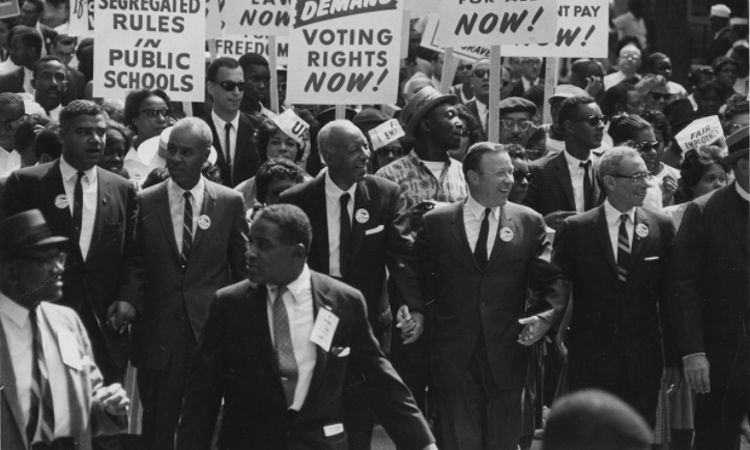
The Civil Rights Movement, Black Lives Matter, and other social justice movements have played a crucial role in creating the conditions for the election of African American mayors. Understanding the significance of African American mayors and their potential to shape the future of American cities is paramount.
The increasing diversity of urban populations has also contributed to the rise of African American political leadership. However, many jobs may not offer sufficient wages or benefits to afford housing, especially in areas with high housing costs. African American mayors governing diverse cities with various interests and needs must remain open, flexible and active. Continued efforts to increase voter registration and turnout among African American communities are essential for maintaining political power.
Introduction
The significance of African American representation in political leadership cannot be overstated, particularly in the context of U.S. cities with deep historical ties to racial inequities.
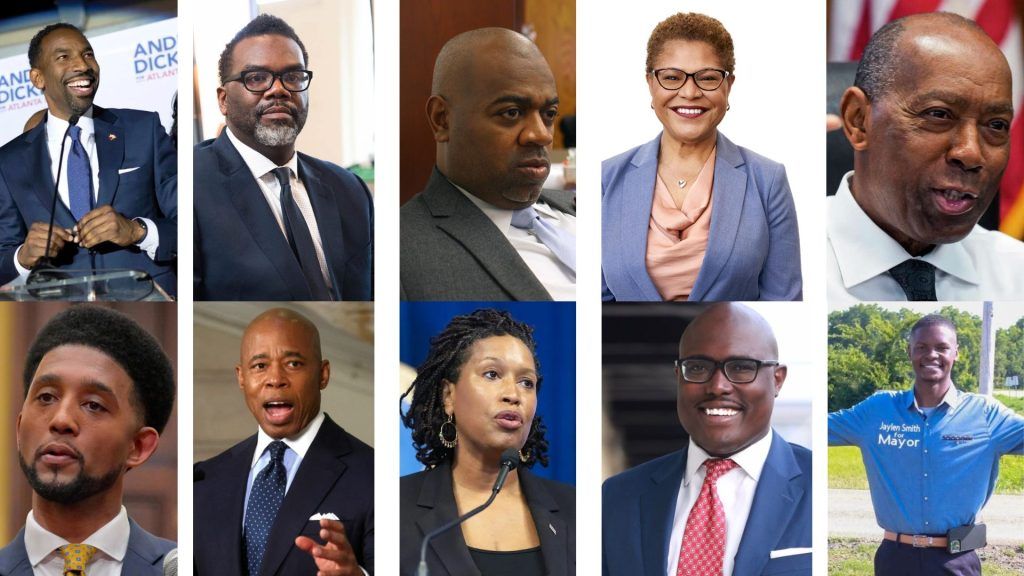
The election of African American mayors across the nation symbolizes not only a shift in political dynamics but also a broader change in societal attitudes toward race and governance. This report examines the emergence and impact of African American candidates for mayor, using recent successes as a lens through which to analyze their contributions to community empowerment and racial justice.
Historical Context
The roots of African American political leadership can be traced back to the post-Civil War era when the 15th Amendment granted Black men the right to vote. However, systemic barriers continued to limit their political participation for decades. Jim Crow laws, poll taxes, literacy tests, and intimidation tactics were employed to suppress Black votes and maintain white supremacy. These barriers, along with other forms of discrimination, limited the political participation of Black Americans for many decades after the Civil War. Despite these challenges, determined African American leaders emerged, fighting for civil rights and advocating for policies that would improve the lives of their communities. Their tireless efforts laid the foundation for the civil rights movement of the 20th century and continue to inspire generations of activists and politicians. The Civil Rights Movement of the 1960s was pivotal, leading to an increase in Black political representation. The election of Tom Bradley as mayor of Los Angeles in 1973 marked a significant milestone, paving the way for future African American candidates. Today, the presence of Black leadership in various cities reflects the strides taken toward equity and inclusion.
The fight for racial justice is a continuous journey, marked by both progress and setbacks. While the Civil Rights Movement achieved significant victories, systemic racism persists. Contemporary movements like Black Lives Matter have revitalized the struggle, bringing renewed attention to issues such as police brutality, mass incarceration, and economic inequality. By understanding the historical context and the evolving strategies of these movements, we can better appreciate their significance and work towards a more just and equitable future for all.
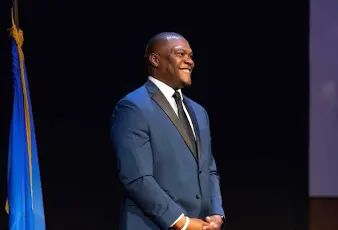
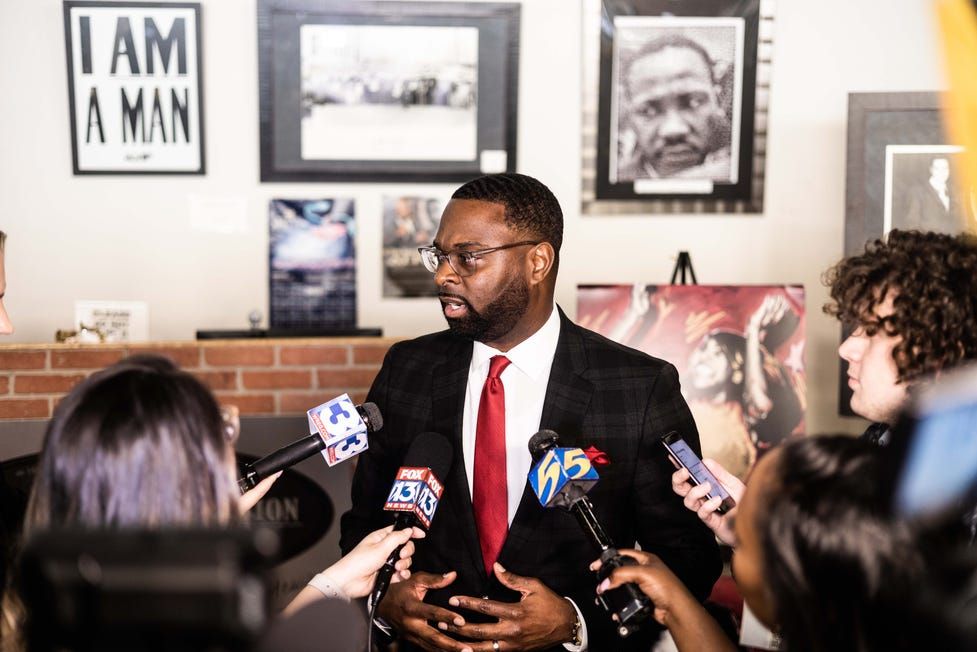
Monroe Nichols, an African American male is the 2024 Mayor for The City of Tulsa, Oklahoma
Nichols was born in Waco, Texas, and played football at Bishop Louis Reicher Catholic School and the University of Tulsa. After graduation, he worked in Tulsa Mayor Kathy Taylor’s administration. In 2008, he unsuccessfully ran for the 72nd district of the Oklahoma House of Representatives, but in 2016 he won an election to represent the district. He was the first African American to represent the district and won reelection in 2018, 2020, and 2022.
In 2024, Nichols was elected Mayor of Tulsa, the first African American elected to the position. The recent election of Monroe Nichols as the first Black mayor of Tulsa is emblematic of this larger trend.
Nichols’ victory in a city historically marred by the Tulsa Race Massacre of 1921 serves as a testament to the resilience of African American communities. His leadership is not just a personal achievement; it represents hope and renewal for a city seeking to reconcile its painful past. His election embodies a new chapter in Tulsa’s history, one where Black leadership can guide policies that directly impact the community’s well-being.
Nichols campaigned on issues pertinent to the Black community, such as economic development, public safety reforms, and education enhancement. Nichols also stated that he would “End Homelessness in Tulsa, Oklahoma.” Homelessness would be his top priority.
Homelessness is not merely a matter of charity or social welfare, but a fundamental ethical obligation for society as a whole, Tulsa, a community of 413,000 people, faces complex challenges. To effectively address homelessness, Tulsa must implement comprehensive solutions that target the root causes, such as increasing affordable housing, providing job training and placement, and expanding mental health and addiction services. High rates of poverty and undereducation, coupled with a relatively low unemployment rate, signal a deeper issue: “The quality and availability of jobs.”
Significance of African American Mayoral Candidates
1. Representation and Identity
The election of African American mayors enhances the representation of a significant demographic within urban populations. It provides the community with leaders who understand firsthand the challenges they face. This representation is crucial for developing policies that address historical injustices and promote equity.
2. Community Empowerment
African American mayors often prioritize initiatives that empower marginalized communities. They advocate for inclusive economic opportunities, equitable access to education, and justice reform. Their leadership helps build trust between the government and the community, facilitating collaboration in addressing systemic issues.
3. Cultural Understanding
Leaders like Monroe Nichols bring a cultural understanding that can be instrumental in fostering community relations. They often bridge divides and promote dialogue about race, justice, and equality, encouraging a collective effort toward healing.
4. Inspiring Future Generations
The presence of African American mayors serves as a powerful example for young individuals of all backgrounds. It challenges the narrative that leadership is unattainable and inspires future leaders to engage in civic duties and public service.
City of Tulsa Challenges Ahead
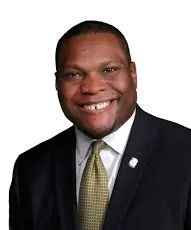
While the election of African American candidates is a significant step forward, challenges remain. Systemic racism, economic disparities, and political resistance continue to pose obstacles. Furthermore, the expectations placed on these leaders can be immense, as they are often viewed as representatives for their entire race rather than their constituencies. African American mayors need to receive support and resources to effectively address the diverse needs of their cities.
The rise of African American mayors marks a pivotal change in the political landscape of America. Leaders like Monroe Nichols illustrate the power of perseverance and serve as catalysts for transformation within their communities.
Race, governance, and public policy, as well as, the contributions of African American mayors will be essential in shaping a more equitable future.
Civic Education Campaigns
Scholarships aimed at supporting aspiring African American political leaders can further this progress, fostering new voices and ideas that can propel communities toward a brighter tomorrow.
The Black Lives Matter movement, amplified by social media, mobilized millions to protest systemic racism and police brutality. This surge in activism, particularly in the wake of high-profile incidents such as the deaths of George Floyd, Breonna Taylor, and Ahmaud Arbery, highlighted the deep-seated racial injustices within American society.
However, it’s important to acknowledge the power dynamics at play, particularly the often-overlooked role of white allies. White individuals who support and amplify the voices of Black activists can significantly contribute to the movement’s momentum and effectiveness. By using their privilege and platform to raise awareness, challenge racist narratives, and advocate for policy change, white allies can help to shift public opinion and accelerate progress toward racial justice.
The collaboration between Black and white activists, while essential, is not without its challenges. Misunderstandings, differing perspectives, and power imbalances can sometimes hinder progress. To maximize the impact of the movement, it is crucial for both groups to engage in open and honest dialogue, build trust, and work together towards shared goals. By fostering a spirit of solidarity and mutual respect, we can harness the collective power of diverse voices to create a more equitable and just society.
More Stories
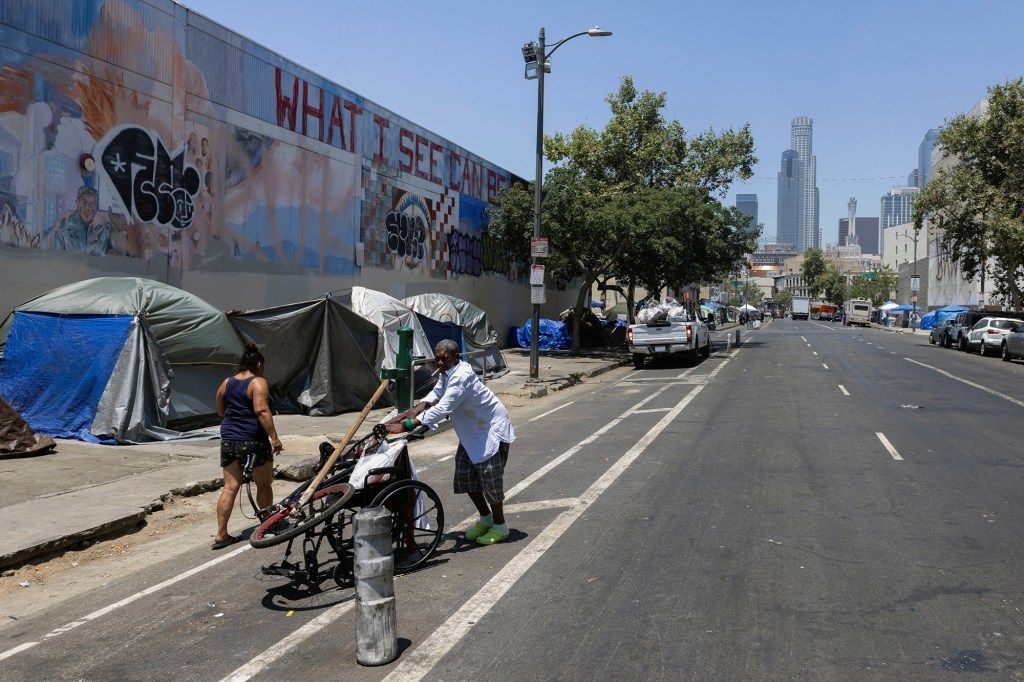
How Karen Bass is using a charity to prevent more Angelenos from becoming homeless
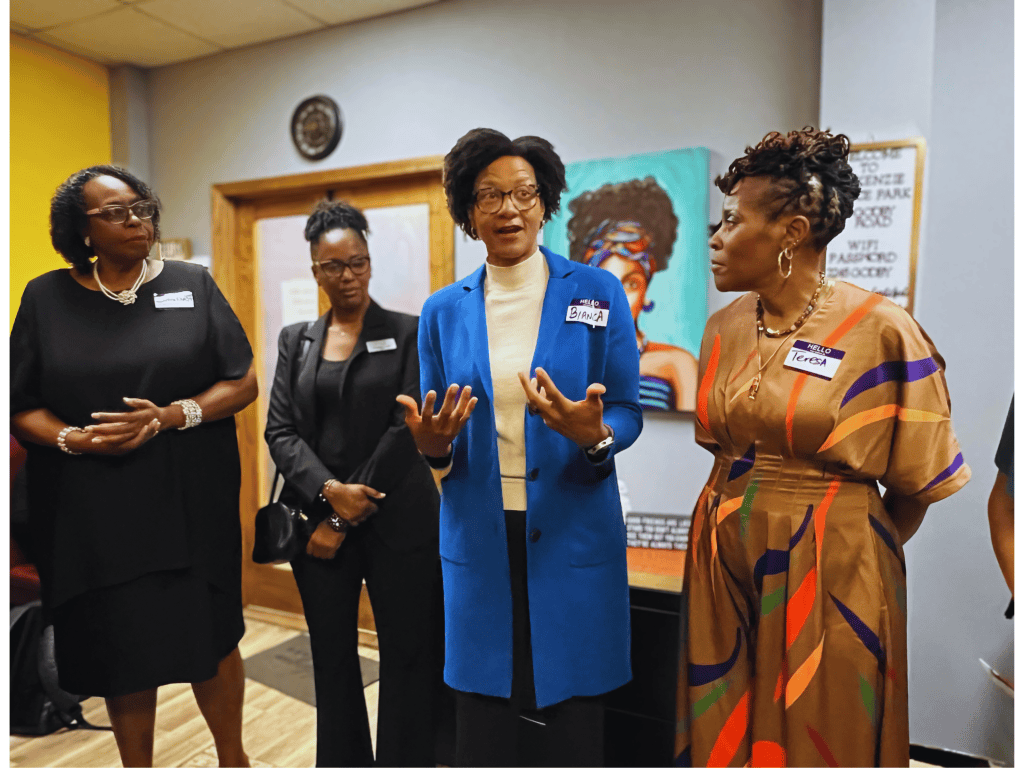
Eight Black women mayors make their own history to cap Black History Month


One thought on “African American Mayor ‘s Changing Leadership and Legacy”