
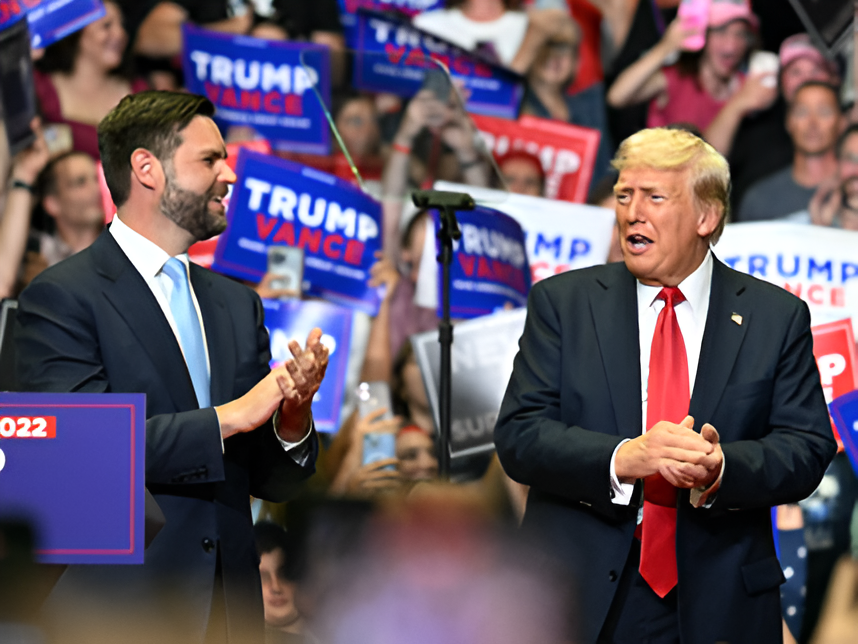
In the event of a November victory for Donald Trump, Senator J.D. Vance of Ohio, who will reach 40 years of age in August, this win would set a historic precedent as the third youngest vice president in U.S. history.

by pacetulsa

Evolutionary Opioid Crisis and A Trump-Vance Victory
Notably, there’s a substantial 39-year age discrepancy between Trump and Vance, marking the most significant age gap between running mates on a U.S. presidential ticket.
Currently representing the state of Ohio in the United States Senate, Vance assumed office following his successful election in 2022 and subsequent inauguration on January 3rd, 2023.
Imagine the potential impact of a Trump-Vance victory on the evolving landscape of the opioid crisis in the United States. The unprecedented age gap between President Donald Trump and Senator J.D. Vance of Ohio, who is positioned to become the third youngest vice president in U.S. history, raises questions about how their leadership might shape policies and initiatives related to addressing the opioid epidemic.
From 2017 through 2021, Donald Trump was the 45th president of the United States; he is the only American president to have no political or military service prior to his presidency, as well as, the first to be charged and convicted with a felony after leaving office.
Drawing inference from Vance’s background, including his military service, educational accomplishments, and advocacy for issues pertinent to working-class America while exploring the intersection of political leadership, personal experiences, and policy responses in the context of the opioid crisis. Additionally, we will delve into the shifting dynamics of the opioid crisis since 2016, considering factors such as changes in policy, public perception, and the emergence of new substances, and highlight the necessity for a nuanced understanding of these ongoing developments.
A Trump-Vance November Victory
The prospect of a November victory for Donald Trump and the potential role of Senator J.D. Vance as the third youngest vice president in U.S. history has sparked discourse on the implications for various policy issues, including the opioid crisis exploring; the environmental factors contributing to the opioid crisis ; and how the Opioid crisis has evolved since 2016, along with the potential implications of a Trump-Vance victory for addressing this pressing public health concern.
Senator J.D. Vance of Ohio has been vocal about addressing the opioid crisis and has advocated for several policies aimed at tackling this pressing public health issue. His approach to addressing the opioid crisis centers on a combination of strategies including enhanced access to treatment, support for individuals in recovery, and measures to address the underlying social determinants of addiction.
Some counterarguments to Senator J.D. Vance’s approach to addressing the opioid crisis may center on the need for a more comprehensive understanding of the systemic issues contributing to addiction, particularly in underserved communities. Critics might argue that solely focusing on treatment and recovery without addressing broader social and economic disparities may not effectively mitigate the root causes of opioid addiction.
There could be discussions about the potential impact of policy initiatives on access to pain medication for individuals with legitimate chronic pain. Critics may express concerns about the unintended consequences of overly restrictive prescribing guidelines, which could affect individuals who rely on opioids for managing chronic pain conditions.
During the Trump era, several policies were implemented to address the opioid crisis in the United States. One of the key initiatives was the declaration of the opioid crisis as a public health emergency in 2017. This move aimed to mobilize federal resources and increase awareness of the severity of the crisis.
The Trump administration focused on enhancing law enforcement efforts to combat the illicit drug trade and the flow of opioids into the country. This included targeting high-intensity drug trafficking areas and implementing measures to intercept and seize illegal opioids.
Trump era policies addressing the opioid crisis focused on the balance between law enforcement measures and public health initiatives.
Critics of the administration’s approach argued that an excessive emphasis on law enforcement efforts, including targeting high-intensity drug trafficking areas, may disproportionately impact communities of color and perpetuate the cycle of incarceration without effectively addressing the underlying causes of addiction.
The Trump-Vance Dynamic
The significant 39-year age gap between Trump and Vance has garnered attention as an unprecedented characteristic of a U.S. presidential ticket. This age discrepancy raises questions about how their respective backgrounds, experiences, and policy priorities may inform their approach to addressing the opioid crisis and related public health challenges. Vance’s military background, educational achievements, and advocacy for the white working-class community position him as a potentially influential figure in shaping policies aimed at mitigating the impact of the opioid crisis. Furthermore, the intersection of Vance’s narrative, as depicted in his memoir “Hillbilly Elegy,” and his policy positions on issues related to poverty, addiction, and social determinants of health, offers insight into how his leadership might influence responses to the opioid crisis.
Vance has emphasized the importance of expanding access to evidence-based treatment options, such as medication-assisted treatment (MAT), to ensure that individuals struggling with opioid addiction have comprehensive support. Additionally, he has supported initiatives to increase funding for mental health and addiction services, with a specific focus on reaching underserved communities that have been disproportionately affected by the opioid crisis.
The Shifting Landscape of the Opioid Crisis
Since 2016, the opioid crisis has undergone notable changes, reflecting shifts in policies, public awareness, and the nature of substance use. The over-prescription of opioids for chronic pain was a primary driver of the crisis before 2016. However, increased regulatory scrutiny and efforts to raise public health awareness have contributed to a decline in prescription opioid overdoses. Concerns have arisen regarding the potential impact of stricter prescribing guidelines on access to pain medication for individuals with legitimate chronic pain. Vance has highlighted the need to address the social and economic factors that contribute to substance abuse and addiction. His advocacy for policies aimed at addressing poverty, promoting economic opportunity, and supporting communities affected by the opioid crisis aligns with his broader approach to tackling the root causes of addiction.
The emergence of synthetic opioids, particularly fentanyl, has presented a new and deadlier threat, characterized by increased overdose rates and challenges in harm reduction efforts. The evolving nature of the crisis underscores the importance of a comprehensive approach that addresses the supply and demand sides while acknowledging the complex interplay of social determinants, individual choices, and evidence-based treatment options, such as medication-assisted treatment (MAT).
Trump administration was placated with concerns about the potential unintended consequences of increased law enforcement measures, such as the displacement of drug markets to new areas or the exacerbation of risks associated with illicit drug use, including an increased likelihood of overdose due to less predictable drug potency and quality.
Implications of a Trump-Vance Victory
Against the backdrop of the evolving opioid crisis, a Trump-Vance victory raises questions about the potential policy directions and initiatives that may be pursued at the federal level to address the opioid epidemic. Vance’s emphasis on personal responsibility, resilience, and the challenges faced by working-class America, as depicted in “Hillbilly Elegy,” provides a lens through which policies aimed at supporting recovery, addressing social determinants of addiction, and expanding access to evidence-based treatments may be considered. Additionally, the collaboration between Trump and Vance, given their differing generational perspectives and life experiences, may offer opportunities to integrate diverse approaches to tackling the opioid crisis and related public health challenges.
In Hillbilly Elegy the centralcharacterisJ.D. Vance, a Yale Law graduate, and he recounts his experience growing up in a poor, white working-class family in Ohio. The 2016 Opioid Crisis looks different in 2024 due to several factors. Over the years, there have been changes in policies, increased awareness and efforts to address the crisis, and shifts in public perception and understanding of opioid addiction. Additionally, the emergence of new substances and patterns of drug use have also contributed to the evolving nature of the crisis. These factors have combined to create a different landscape in 2024 compared to the situation in 2016. Basically, the book can be divided into four sections
Section 1: Family Struggles
- Vance’s parents battled addiction and instability.
- He was raised by his grandparents (“Papaw” and “Ma maw”) who themselves came from a struggling background.
- Many relatives faced similar challenges: poverty, violence, and lack of education.
Section 2: Hillbilly Culture
- The book explores the concept of “hillbilly culture,” marked by:
- Reliance on family loyalty over societal rules.
- A sense of powerlessness and resentment.
- Difficulty deferring gratification and dealing with long-term problems.
Section 3: Breaking the Cycle
- Vance emphasizes the importance of personal responsibility and a strong work ethic.
- He credits supportive individuals (teachers, mentors) for helping him escape the cycle of poverty.
Section 4: Social Commentary
- The book delves into the challenges faced by white working-class America, particularly in Appalachia and the Rust Belt.
- Vance examines how social policies and cultural attitudes can contribute to these issues.
The opioid crisis in the United States has devastated communities for decades.
There were efforts during the first Trump Era Presidency to expand access to treatment and recovery services for individuals struggling with opioid addiction. This involved supporting medication-assisted treatment (MAT) and increasing funding for states to improve access to mental health and addiction services. The administration also worked to enhance prescription drug monitoring programs to prevent over-prescription and diversion of opioids.
Ultimately, the Trump administration’s approach to the opioid crisis encompassed a combination of law enforcement, public health initiatives, and efforts to expand treatment options and support for individuals affected by opioid addiction. Trump drug czar critics also pointed to the need for more robust measures to hold pharmaceutical companies accountable for their role in fueling the opioid crisis through aggressive marketing and distribution of prescription opioids. They argued that the administration’s efforts in this regard were insufficient in addressing the root causes of the crisis and seeking meaningful restitution for the harm caused
Senator J.D. Vance’s opioid crisis policies encompass a multifaceted approach that integrates access to treatment, support for recovery, and efforts to address the social determinants of addiction. Critics may also emphasize the importance of addressing the role of pharmaceutical companies in fueling the opioid crisis through aggressive marketing and distribution of prescription opioids. They may call for stricter regulations and accountability measures for pharmaceutical companies as part of a comprehensive response to the crisis.
The opioid crisis in the United States calls for a major response that considers the evolving nature of substance use and addiction.
A potential Trump-Vance victory introduces unique dynamics and considerations regarding the leadership and policy landscape surrounding the opioid epidemic. Adopting a comprehensive approach encompassing supply-side regulations, harm reduction strategies, and evidence-based treatments remains crucial. As the political landscape evolves, understanding the potential impact of leadership transitions on addressing the opioid crisis underscores the importance of informed discourse and evidence-informed policymaking.
The accessibility and affordability of evidence-based treatment options, expressing concerns about the gaps in access to quality treatment and recovery services, particularly in underserved communities that have been disproportionately affected by the opioid crisis must also be realized as viable components to any opioid crisis policy success. Moreover, critics argue for reevaluation of the balance between law enforcement and public health approaches, increased accountability for pharmaceutical companies, and the prioritization of comprehensive and equitable access to treatment and recovery services for individuals affected by the opioid crisis.
From Over-Prescription to Fentanyl’s Shadow
Prior to 2016, a major driver of the crisis was the over-prescription of opioids for chronic pain. Increased scrutiny by regulatory bodies and public health awareness led to a decline in prescription opioid overdoses. However, stricter prescribing guidelines have raised concerns about limiting access to pain medication for legitimate chronic pain patients.
The rise of synthetic opioids, particularly fentanyl, presents a new and deadlier threat. Fentanyl’s potency has dramatically increased overdose rates. While some argue it highlights the desperation of those seeking relief, its presence doesn’t negate the role of prescription opioids in initiating addiction.
Beyond Individual Choice: Recognizing Social Determinants
The conversation surrounding addiction has broadened to encompass social and economic factors. Poverty, lack of opportunity, and trauma can significantly increase someone’s vulnerability to addiction. This shift acknowledges the complex interplay of factors beyond just individual choices. However, it’s important to remember that individual decisions still play a role in the development of addiction.
Harm Reduction: A Controversial but Necessary Approach
Traditionally, addiction treatment focused solely on abstinence. However, the crisis has led to a growing acceptance of harm reduction strategies. Medication-assisted treatment (MAT) using methadone and buprenorphine shows promise in reducing overdose rates and promoting long-term recovery. Critics argue MAT can be seen as substituting one drug for another, and some patients struggle with adherence. Nonetheless, MAT remains a valuable tool in the fight against addiction.
Moving Forward with Major Drug Policy Changes
The opioid crisis demands addressing the supply side by regulating prescribing practices. However, combating the demand side necessitates tackling social determinants and offering evidence-based treatment options like MAT. Recognizing the evolving nature of this crisis allows for a more comprehensive approach to saving lives and supporting those struggling with addiction.
This blog post from PACE TULSA explores the potential impact of a Trump-Vance victory in the 2024 election on the evolving opioid crisis. It examines Senator Vance’s proposed policies, including increased access to treatment and addressing social determinants of addiction, while also acknowledging potential criticisms and counterarguments. The post analyzes the changing landscape of the opioid crisis since 2016, from over-prescription to the rise of fentanyl, and discusses the Trump administration’s previous efforts. Finally, it considers the potential implications of a Trump-Vance partnership, highlighting the age gap and differing backgrounds of the candidates, and emphasizes the need for a multifaceted approach to combatting the opioid crisis, including harm reduction strategies and addressing both supply and demand. The post also includes links to resources for further information and encourages readers to get involved.
This post is just a starting point. We encourage you to explore the resources below to learn more about the opioid crisis and how you can help! Together, we can make a difference.
- The National Institute on Drug Abuse: https://www.nih.gov/about-nih/what-we-do/nih-almanac/national-institute-drug-abuse-nida
- The Centers for Disease Control and Prevention: https://www.cdc.gov/overdose-prevention/about/prescription-opioids.html
- The Harm Reduction Coalition: https://harmreduction.org/


