

Why is fentanyl so dangerous? Since the 1980s designer drugs, or chemical analogs, have been created in underground illegal laboratories. Largely based on the fentanyl molecule, this includes drugs like ecstasy, ketamine and MDMA. Synthetic drugs are designed to be almost identical to the original drug, but as users don’t know exactly what they contain, or how strong they are, the potential for accidental overdose is high.


by pacetulsa
Opioid Abuse & Suicide has become a major public health crisis in the United States.
Over 130 people are dying every day from opioid-related drug overdoses. But the impact of this epidemic goes beyond just overdose deaths.Opioid abuse has also been linked to an increase in suicide rates, particularly in rural areas.
The connection between opioid abuse and suicide is discussed in the Rural Opioid Abuse Prevention Act, a new legislation aimed at addressing this issue.

Communication strategies by correlated study groups build upon existing resources. Furthermore these Communication strategies lead to Community Illicit / Non-Illicit Drug Take Back Programs and Provider Education for Doctors Overprescribing Opioids
Studies have shown that individuals who abuse opioids are at a higher risk for suicidal thoughts and behaviors. This is due to the effects of opioids on the brain, which can lead to changes in mood, behavior, and decision-making.
Opioid abuse can also exacerbate underlying mental health issues, such as depression and anxiety, which are known risk factors for suicide.
The social and economic consequences of opioid abuse, such as job loss, financial strain, and strained relationships, can also contribute to feelings of hopelessness and despair, increasing the risk of suicide.
Deaths and injuries from opioid misuse are more common in states with large rural populations, including Oklahoma. In fact, American Indian/Alaska Native AI/AN overdose deaths from prescription and illicit opioids have increased nearly sixfold since 2000. Teens and young adults (between 16 and 30) have the highest risk of opioid misuse, opioid use disorder (OUD), and death from overdose.
Rural Opioid Abuse Prevention Act
In response to the growing opioid epidemic and its impact on rural communities, the Rural Opioid Abuse Prevention Act was introduced in Congress in 2019. This legislation aims to address the unique challenges faced by rural areas in combating opioid abuse and its consequences.
The Rural Opioid Abuse Prevention Act (S. 2796), enacted in December 2022, aims to combat the opioid crisis in rural communities. The law provides federal assistance to achieve several goals, including reducing opioid addiction, overdoses, and deaths; supporting recovery; equipping healthcare workers and first responders; identifying service gaps; establishing new initiatives; and providing alternatives to incarceration.
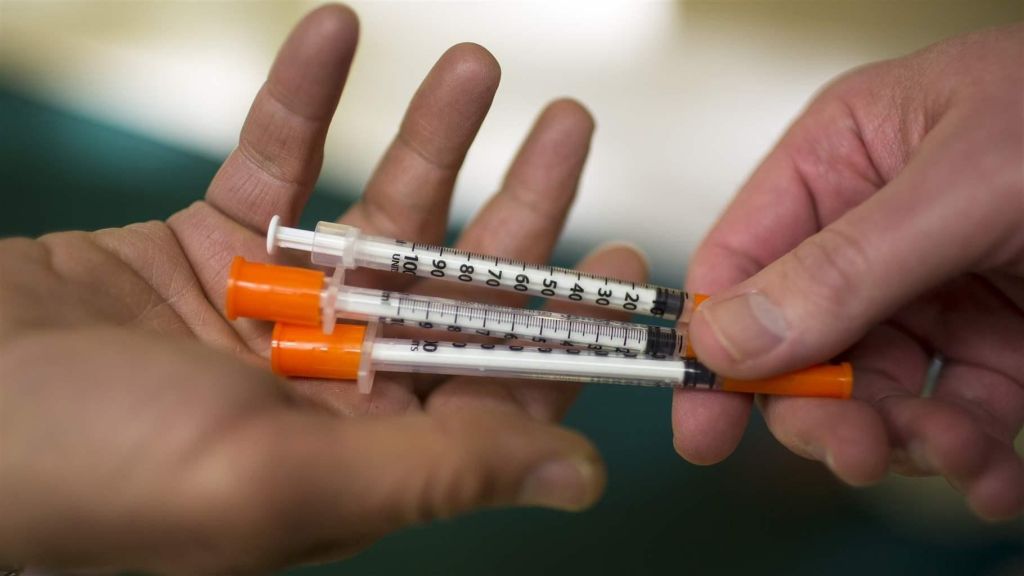
Pilot Program Outrach
It works by expanding allowable uses of existing grant funds under the Comprehensive Opioid, Stimulant, and Substance Abuse Program, enabling pilot programs for community response in rural areas, and amending the Omnibus Crime Control and Safe Streets Act of 1968.

The act includes provisions for increasing access to treatment and recovery services in rural areas, as well as funding for prevention and education programs.
Department of Health and Human Services (HHS) and CDC support and fund implementation of the programs in jurisdictions that are either experiencing or at risk for increases in HIV or HCV cases.

Recent evidence from Miami, for example, suggests that implementation of these programs also helps to reduce overdose-related hospital admissions, and that SSP costs are minor compared with the cost of treating HIV infections—which SSPs can help prevent.6 Given the public health benefits of SSPs, the U.S.
It also includes measures to improve data collection and monitoring of opioid abuse in rural communities, which can help inform future prevention efforts. Sentri 7 is a drug diversion detection software that uses machine learning to identify potential diversion points from medication purchase to patient administration. It addresses the problem of undetected drug diversion in hospitals, integrating data from various IT systems (ADC, EHR, etc.) to provide a comprehensive risk assessment and actionable dashboards. Notably, it’s the only such software funded by the NIH.
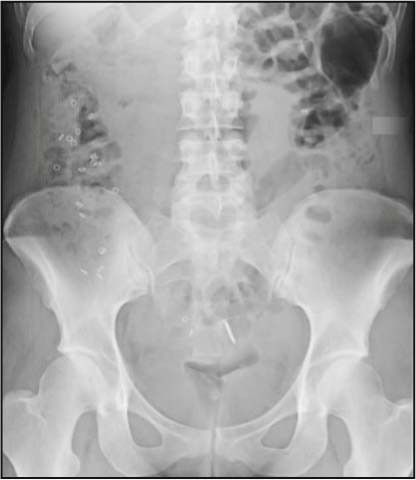
Opioid Injection Abuse & Colon Burst
One of the lesser-known consequences of opioid abuse is the risk of colon burst, also known as colonic perforation. This occurs when the colon becomes weakened and ruptures due to chronic constipation caused by opioid use. This can lead to serious complications, including sepsis and death.
According to a Pathophysiology and Management article published by Springer Nature Link Journal (2012), In the gut, opioids exert their action on the enteric nervous system, where they bind to the mesenteric and submucosal plexuses, causing dysmotility, decreased fluid secretion and sphincter dysfunction, which all leads to opioid-induced bowel dysfunction (OIBD). In the clinic, this is reported as nausea, vomiting, gastro-oesophageal reflux-related symptoms, constipation, etc.
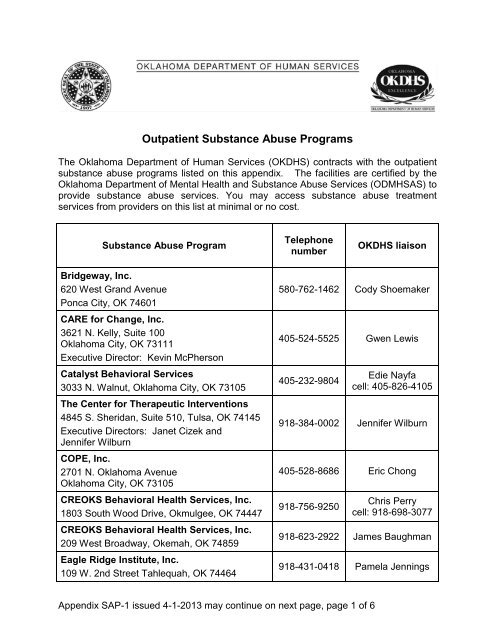
If you or someone you know is struggling with opioid abuse, it is important to seek help immediately. There are many resources available, including hotlines, support groups, and treatment centers. Remember, recovery is possible and seeking help is the first step towards a healthier and happier life.
The connection between opioid abuse and suicide is a serious issue that requires immediate attention.
The risk of colon burst is particularly high in individuals who abuse opioids through injection, as the drugs can cause damage to the colon and surrounding tissues. This is just one of the many devastating consequences of opioid abuse that highlights the urgent need for prevention and treatment efforts.

Here’s Some Additional Resources to Help
The Rural Opioid Abuse Prevention Act is a step in the right direction, but more needs to be done to address this crisis. By raising awareness and providing support and resources, we can help prevent opioid abuse and save lives.
The State of Drug Diversion Report is the fourth of its kind. From 2017 to 2021, Porter Research published three studies bi-annually similar to this research study that measured healthcare executives’ drug diversion knowledge, confidence, and experience with detection programs.
The COVID-19 pandemic continues to hinder drug diversion programs in 2023. Over half (54%) of respondents say their programs suffer due to staff turnover, and 69% say the increase in floating staff makes tracking drug diversion more difficult. 34% say their drug diversion budgets got reallocated due to other priorities.


3 thoughts on “Opioid Abuse & Suicide”