



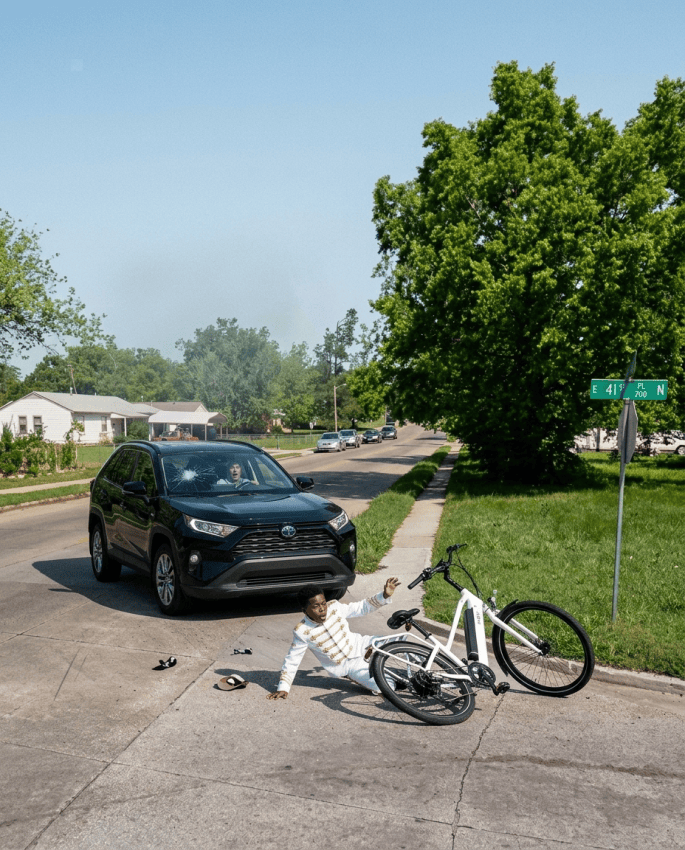

This blog post aims to present an unemployment claims case in a compelling and relatable way, while still maintaining the legal strength of the original appeal. It’s designed to resonate with a wider audience and to highlight the injustice of the situation.

by pacetulsa

When a Lack of Transportation Becomes a Barrier to Employment
For roughly seven months, I held a position as a Laborer at the Oklahoma Military Department (OMD). My employment, however, hinged on a precarious arrangement: informal rideshares with fellow employees. While not ideal, this system allowed me to maintain a livelihood, to contribute, and to provide for myself. When that system dissolved in January of 2025, I found myself facing a challenge that ultimately led to a painful separation from my job – a separation I believe was not a voluntary quit, but a constructive discharge born from the OMD’s failure to fulfill its legal obligations. I am appealing the decision of Hearing Officer Zachary Watts, who denied my unemployment benefits, and I am asking the Oklahoma Employment Security Commission Board of Review to reconsider my case.
The core of this dispute lies in the OMD’s response – or rather, lack of response – to a significant barrier to my employment: transportation. The OMD’s location in Tulsa presents considerable logistical difficulties. There are no direct public transportation routes, and the nearest viable options involve extensive travel time and multiple transfers. Walking, quite simply, isn’t practical, requiring a two-and-a-half-hour journey. I do not own a personal vehicle, and this lack of reliable transportation became a critical issue.
When my rideshare arrangement ended, I immediately began seeking alternatives, utilizing all available leave time in a diligent effort to secure a solution. On January 16, 2025, my supervisor inquired about my ability to continue working without reliable transportation. This question, while seemingly casual, felt like an invitation to discuss potential accommodations. I responded honestly, explaining my predicament and my inability to guarantee consistent access to the workplace. This was not an offer to resign, but a truthful assessment in response to a direct inquiry.
However, no further discussion followed. No exploration of carpooling options, no consideration of temporary schedule adjustments, no information regarding potential public transportation assistance. Instead, I was left with a growing fear of imminent termination for absenteeism. Faced with this untenable situation, I submitted my resignation via text message, a decision driven not by choice, but by circumstance.
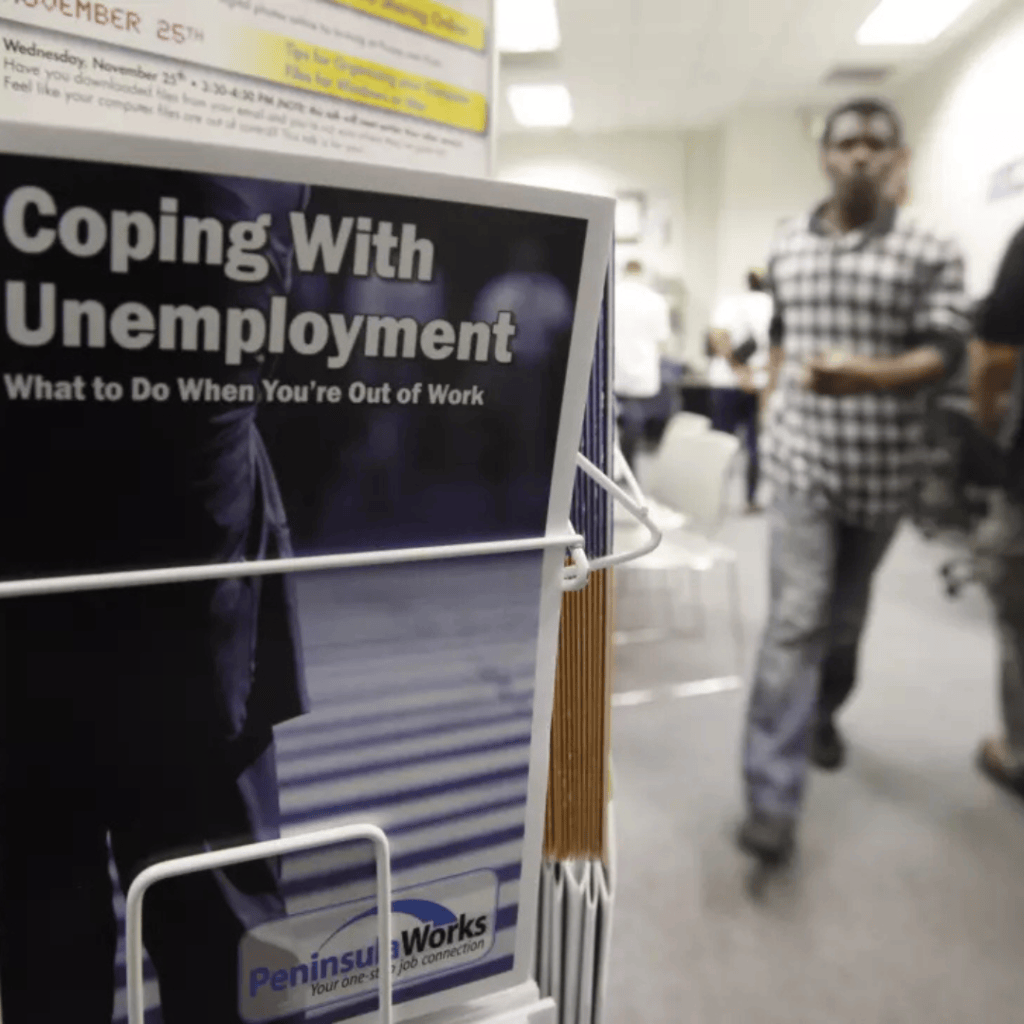
My case rests on two key legal arguments. First, my separation constitutes a constructive discharge. The OMD created intolerable working conditions by failing to address a known transportation barrier, effectively forcing me to choose between resigning and facing certain termination. Second, the OMD failed to fulfill its obligations under the Americans with Disabilities Act (ADA). While I haven’t been formally diagnosed with a disability, the challenges I faced accessing the workplace significantly limited my ability to perform my job, and this limitation could reasonably be perceived as disability-related. The OMD had a legal duty to engage in a good-faith “interactive process” to explore reasonable accommodations, a process that never occurred.
The supervisor’s initial inquiry, I believe, should be legally construed as an implicit request for information regarding any barriers to my employment. My honest response triggered the OMD’s duty to engage in that interactive process. Their failure to do so is a direct violation of the ADA, as well as a foreseeable consequence of their inaction, leading directly to my resignation.
The Hearing Officer’s decision to characterize my separation as a voluntary quit without “good cause” overlooks these critical facts. It ignores the significant challenges I faced, the employer’s awareness of those challenges, and their subsequent failure to explore legally required accommodations.
Ultimately, this isn’t just about unemployment benefits; it’s about fundamental fairness. It’s about recognizing that work should enable life, not threaten it. As I believe, “For me, it’s about more than just a job – it’s about being able to live, not just survive.” My situation highlights how easily that opportunity can be taken away, not through any fault of my own, but due to circumstances beyond my control. I respectfully request that the Board of Review overturn the Hearing Officer’s decision, recognize the hardship I have faced for the past ten weeks, and restore my eligibility for benefits, allowing me to regain my ability to work to live.
March 28, 2025

Shelley Stewart is a leader within McKinsey’s Marketing & Sales Practice and focuses primarily on serving B2B clients.


