
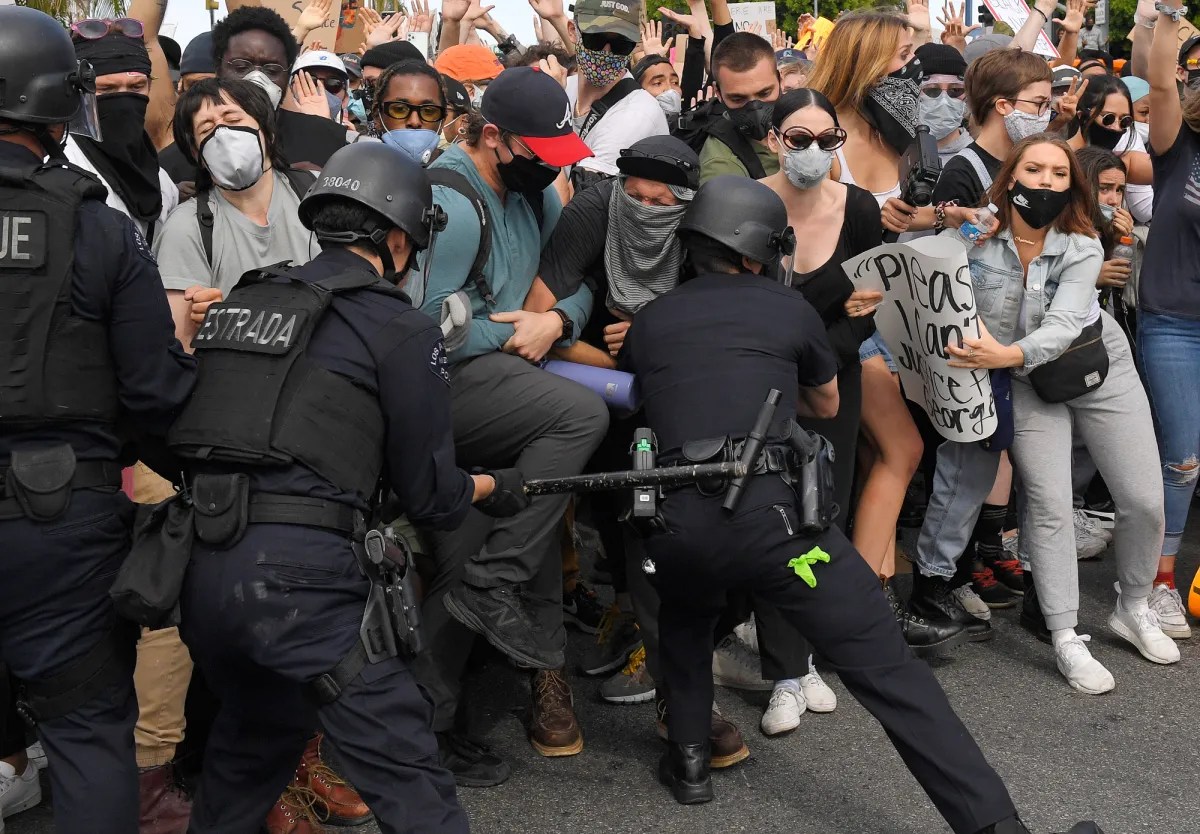
Read more: Overturning Law Enforcement Grant of Excessive Police Powers Will Not Net Widen Lawlessness
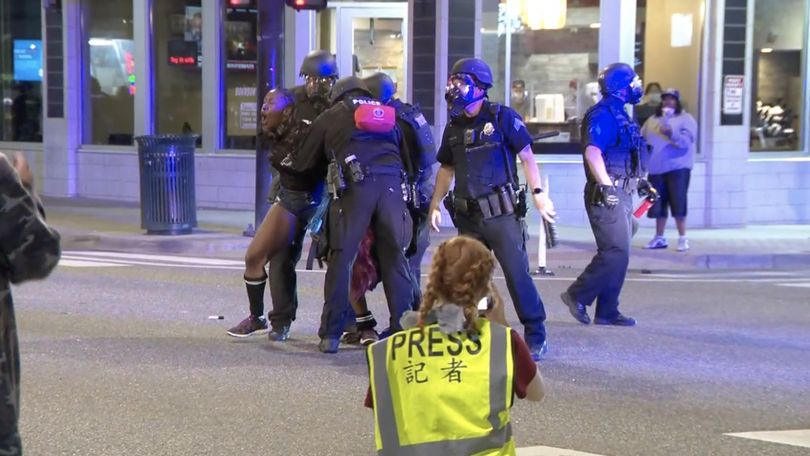
Supreme Court sides with police officers in two qualified immunity cases
The justices made clear that last term’s cases were outliers, and that the traditional framework could stand.
Federal Civil Enforcement
“Police Misconduct Provision”
This law makes it unlawful for State or local law enforcement officers to engage in a pattern or practice of conduct that deprives persons of rights protected by the Constitution or laws of the United States. (34 U.S.C. § 12601). The types of conduct covered by this law can include, among other things, excessive force, discriminatory harassment, false arrests, coercive sexual conduct, and unlawful stops, searches or arrests. In order to be covered by this law, the misconduct must constitute a “pattern or practice” — it may not simply be an isolated incident.
The DOJ must be able to show in court that the agency has an unlawful policy or that the incidents constituted a pattern of unlawful conduct. However, unlike the other civil laws discussed below, DOJ does not have to show that discrimination has occurred in order to prove a pattern or practice of misconduct.
What remedies are available under this law? The remedies available under this law do not provide for individual monetary relief for the victims of the misconduct. Rather, they provide for injunctive relief, such as orders to end the misconduct and changes in the agency’s policies and procedures that resulted in or allowed the misconduct. There is no private right of action under this law; only DOJ may file suit for violations of the Police Misconduct Provision.

Title VI of the Civil Rights Act of 1964 and the ” Office of Justice Programs (OJP) Statute”
Together, these laws prohibit discrimination on the basis of race, color, national origin, sex, and religion by State and local law enforcement agencies that receive financial assistance from DOJ. (42 U.S.C. § 2000d, et seq. and 34 U.S.C. § 10228). These laws prohibit both individual instances and patterns or practices of discriminatory misconduct, i.e., treating a person differently because of race, color, national origin, sex, or religion.
The misconduct covered by Title VI and the OJP (Office of Justice Programs) Program Statute includes:
Harassment or use of racial slurs, discriminatory arrests, discriminatory traffic stops, coercive sexual conduct, retaliation for filing a complaint with DOJ or participating in the investigation, discriminatory use of force, or refusal by the agency to respond to complaints alleging discriminatory treatment by its officers. What remedies are available under these laws?
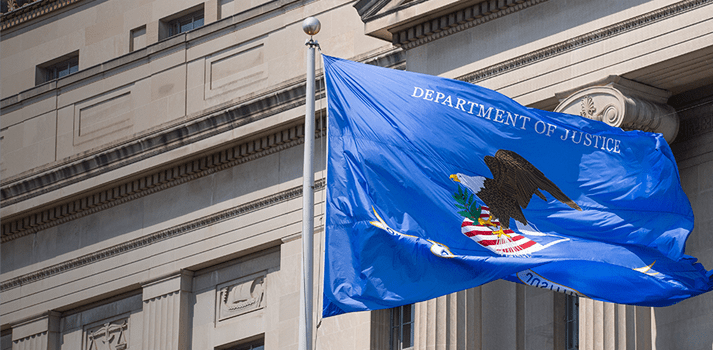
The Department of Justice has the power of “fiat” to over-ride loopholes in the law
DOJ may seek changes in the policies and procedures of the agency to remedy violations of these laws and, if appropriate, also seek individual remedial relief for the victim(s). Individuals also have a private right of action in certain circumstances under Title VI and under the OJP Program Statute; in other words, you may file a lawsuit yourself under these laws. However, you must first exhaust your administrative remedies by filing a complaint with DOJ if you wish to file in Federal Court under the OJP Program Statute.
Title II of the Americans with Disabilities Act of 1990 and Section 504 of the Rehabilitation Act of 1973
The Americans with Disabilities Act (ADA) and Section 504 prohibit discrimination against individuals on the basis of disability. (42 U.S.C. § 12131, et seq. and 29 U.S.C. § 794). These laws protect all people with disabilities in the United States. An individual is considered to have a “disability” if he or she has a physical or mental impairment that substantially limits one or more major life activities, has a record of such an impairment, or is regarded as having such an impairment.
The ADA prohibits discrimination on the basis of disability in all State and local government programs
Services, and activities regardless of whether they receive DOJ financial assistance; it also protects people who are discriminated against because of their association with a person with a disability. Section 504 prohibits discrimination by State and local law enforcement agencies that receive financial assistance from DOJ. Section 504 also prohibits discrimination in programs and activities conducted by Federal agencies, including law enforcement agencies.
Every Law Enforcement Agency must comply to Department of Justice ADA Sanctions
These laws prohibit discriminatory treatment, including misconduct, on the basis of disability in virtually all law enforcement services and activities. These activities include, among others, interrogating witnesses, providing emergency services, enforcing laws, addressing citizen complaints, and arresting, booking, and holding suspects. These laws also prohibit retaliation for filing a complaint with DOJ or participating in the investigation.
DOJ remediation validation exists and is present-available under these laws?
If appropriate, DOJ may seek individual relief for the victim(s), in addition to changes in the policies and procedures of the law enforcement agency. Individuals have a private right of action under both the ADA and Section 504; you may file a private lawsuit for violations of these statutes. There is no requirement that you exhaust your administrative remedies by filing a complaint with DOJ first.
A Complaint Process Exists and is Open Record
How to File a Complaint with DOJ
Criminal Enforcement
If you would like to file a complaint alleging a violation of the criminal laws discussed above, you may contact the Federal Bureau of Investigation (FBI), which is responsible for investigating allegations of criminal deprivations of civil rights. You may also contact the United States Attorney’s Office (USAO) in your district. The FBI and USAOs have offices in most major cities and have publicly-listed phone numbers.
There is a local office directory publicly available:
https://www.fbi.gov/contact-us
Civil Enforcement is an option for non-compliance
If you would like to report a violation of the Police Misconduct Statute, Title VI, or the OJP Program Statute, contact the Justice Department at civilrights.justice.gov.
File a complaint about the conduct of a law enforcement officer working for Federal agency?
If you believe that you are a victim of criminal misconduct by a Federal law enforcement officer (such as Immigration and Customs Enforcement; the FBI; Alcohol, Tobacco, Firearms and Explosives; Drug Enforcement Agency, United States Marshals Service, or the Border Patrol), you should follow the procedures discussed above concerning how to file a complaint alleging violations of the criminal laws we enforce. If you believe that you have been subjected by a Federal law enforcement officer to the type of misconduct discussed above concerning “Federal Civil Enforcement,” visit civilrights.justice.gov.
A document records Reproduction-Clause is encouraged.
This flyer is not intended to be a final agency action, has no legally binding effect, and has no force or effect of law. This document may be rescinded or modified in the Department’s complete discretion, in accordance with applicable laws. This flyer does not establish legally enforceable rights or responsibilities beyond what is required by the terms of the applicable statutes, regulations, or binding judicial precedent. For more information, see “Memorandum for All Components: Prohibition of Improper Guidance Documents,” from Attorney General Jefferson B. Sessions III, November 16, 2017.


2 thoughts on “Overturning Law Enforcement Grant of Excessive Police Powers Will Not Net Widen Lawlessness”