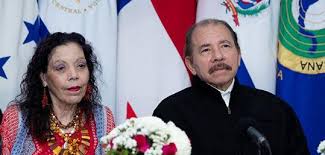

“This U.S. is standing with the people of Nicaragua as they strive to restore democratic institutions, select their leaders in free and fair elections, and create the futures they desire for themselves and their families.’
Nicaragua is a Central American country with a population of approximately 6 million people. It has a long history of political instability and civil unrest, with a series of authoritarian regimes ruling the country throughout the 20th century.
In 1979, a socialist revolution led by the Sandinista National Liberation Front (FSLN) overthrew the dictatorship of Anastasio Somoza Debayle and established a socialist government in Nicaragua. However, the FSLN government faced opposition from the US-backed Contras, who waged a guerrilla war against the Sandinistas throughout the 1980s.
In the early 1990s, Nicaragua transitioned to a democratic system of government, with the FSLN losing power to a coalition of centrist and conservative parties.
Since then, Nicaragua has held several free and fair elections, and the country has been praised for its relatively stable democratic system. However, in recent years, Nicaragua has experienced a significant erosion of democratic institutions and human rights.
The Nicaraguan National Assembly in 2017
created ENIMINAS to increase the government’s
involvement in the mining sector, notably gold
mining.
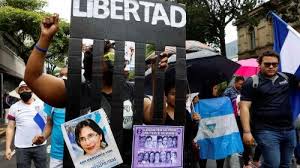
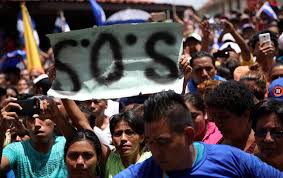
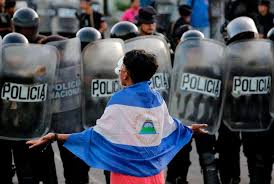
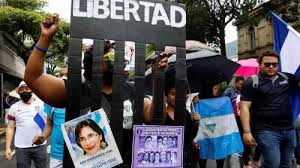
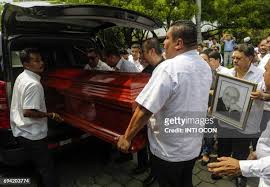
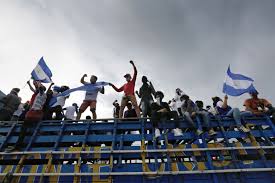
In 2018, protests against Ortega’s government led to a violent crackdown by security forces, resulting in hundreds of deaths and thousands of arrests.
The Organization of American States (OAS) has been closely monitoring Nicaragua’s democracy and human rights record and has expressed concerns about the government’s actions.
Ortega’s government announced in late 2021 that it would withdraw from the OAS, citing the organization’s alleged interference in Nicaragua’s internal affairs.
The significance of Nicaraguan democracy in South America lies in its potential to serve as a model for other countries in the region. Despite its challenges,
Nicaragua has demonstrated that it is possible to establish a relatively stable democratic system in a country with a history of political instability. As such, the erosion of democratic institutions and human rights in Nicaragua is a cause for concern for other countries in the region that are also struggling to maintain democratic systems of government.
Nicaraguan democracy in South America represents a potential model for other countries in the region. However, recent developments in Nicaragua have raised concerns about the erosion of democratic institutions and human rights, highlighting the need for continued monitoring and support from the international community.
On June 17, 2022, tthe U.S. Department of the Treasury’s Office of Foreign Assets Control (OFAC) designated the state-owned Nicaraguan mining company Empresa Nicaraguense de Minas (ENIMINAS) as well as one official of the Government of Nicaragua under Executive Order (E.O.) 13851.
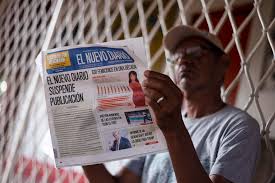
The Ortega-Murillo regime rigged last November’s Nicaraguan presidential election through the arbitrary imprisonment of the political opposition, the blocking of political parties, the shuttering of independent media, and the bullying of civil society.
They are deepening their relationship with Russia as it wages war against Ukraine while using gold revenue to continue to oppress the people of Nicaragua and engage in activities that pose a threat to the security of the hemisphere.
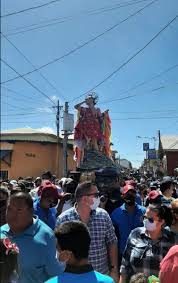
The U.S. will continue to use all tools available to promote accountability and compliance with international norms from the Ortega-Murillo regime.
“As the Ortega-Murillo regime increasingly engages Russia and continues lining its coffers with significant revenue exploited from the Nicaraguan gold sector, the regime has turned its back on the Nicaraguan people, neglecting their livelihoods for regime gains,” said Under Secretary of the Treasury for Terrorism and Financial Intelligence Brian E. Nelson. “The United States continues to stand with the Nicaraguan people against the unjust imprisonment of political opponents and the sustained assault on Nicaragua’s democracy by the Ortega-Murillo regime.”

Politicized events in Nicaragua during 2023 have raised concerns about the erosion of democratic institutions and human rights.
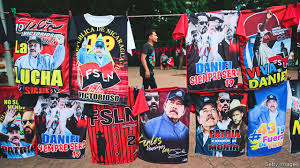
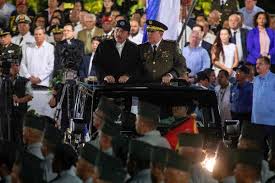
Under the leadership of President Daniel Ortega, who has been in power since 2007, the government has been cracking down on opposition groups, independent media, and civil society organizations. The government has also been accused of rigging elections, suppressing dissent, and using violence against protesters.
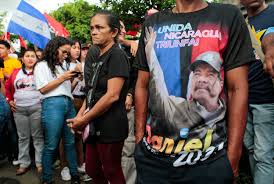
In May 2023, the government passed a bycontroversial law that restricts the activities of non-governmental organizations (NGOs) and civil society groups. The law requires NGOs to register with the government and limits their ability to receive foreign funding. This has been seen as an attempt by the government to suppress dissent and limit the activities of civil society organizations.
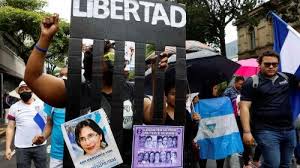
In June 2023, the government arrested several opposition leaders and activists, accusing them of inciting violence and destabilizing the country. These arrests were widely seen as politically motivated and an attempt to silence opposition voices.
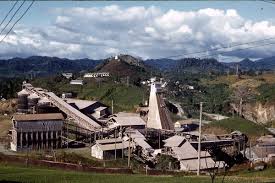
The Ortega-Murillo regime for years has chipped away at Nicaragua’s democratic institutions and, along with a small circle of enablers, has allowed corruption and impunity to reign. Nicaragua is increasingly deepening its relationship with Russia as it turns its back on the Nicaraguan people.
Today, the United States has taken additional actions to promote accountability for the Ortega-Murillo regime’s attacks on civil liberties and democracy.
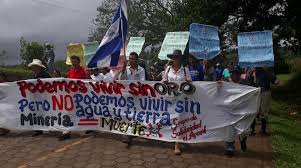
The Department of the Treasury’s Office of Foreign Assets Control imposed sanctions on Nicaraguan state-owned mining company ENIMINAS and the president of its board of directors, Ruy Delgado Lopez.
The Ortega-Murillo regime promotes the old mining industry, driving profits to its allies in
the private sector and increasing ENIMINAS
revenues that are managed by senior figures in theruling party.
As the Ortega-Murillo regime continues to isolate itself by repressing Nicaragua’s democracy and Nicaraguans’ s human rights, it finds itself moving closer to other authoritarian nations like Russia.
In September 2023, the government held elections that were widely criticized as being rigged in favor of the ruling party. The opposition boycotted the elections, and international observers raised concerns about the fairness of the process.
The Organization of American States (OAS) has expressed concerns about the erosion of democratic institutions and human rights in Nicaragua. The OAS has called on the government to respect the rights of its citizens and to allow for free and fair elections.
The international community has also expressed concern, with several countries imposing sanctions on Nicaragua in response to the government’s actions.
Nicaragua is a Central American country with a population of approximately 6 million people. It has a long history of political instability and civil unrest, with a series of authoritarian regimes ruling the country throughout the 20th century.
In 1979, a socialist revolution led by the Sandinista National Liberation Front (FSLN) overthrew the dictatorship of Anastasio Somoza Debayle and established a socialist government in Nicaragua. However, the FSLN government faced opposition from the US-backed Contras, who waged a guerrilla war against the Sandinistas throughout the 1980s.
In the early 1990s, Nicaragua transitioned to a democratic system of government, with the FSLN losing power to a coalition of centrist and conservative parties.
Since then, Nicaragua has held several free and fair elections, and the country has been praised for its relatively stable democratic system. However, in recent years, Nicaragua has experienced a significant erosion of democratic institutions and human rights.
The Nicaraguan National Assembly in 2017
created ENIMINAS to increase the government’s
involvement in the mining sector, notably gold
mining.

In 2018, protests against Ortega’s government led to a violent crackdown by security forces, resulting in hundreds of deaths and thousands of arrests.
The Organization of American States (OAS) has been closely monitoring Nicaragua’s democracy and human rights record and has expressed concerns about the government’s actions.
In response, Ortega’s government announced in late 2021 that it would withdraw from the OAS, citing the organization’s alleged interference in Nicaragua’s internal affairs.
The significance of Nicaraguan democracy in South America lies in its potential to serve as a model for other countries in the region. Despite its challenges,
Nicaragua has demonstrated that it is possible to establish a relatively stable democratic system in a country with a history of political instability. As such, the erosion of democratic institutions and human rights in Nicaragua is a cause for concern for other countries in the region that are also struggling to maintain democratic systems of government.
Nicaraguan democracy in South America represents a potential model for other countries in the region. However, recent developments in Nicaragua have raised concerns about the erosion of democratic institutions and human rights, highlighting the need for continued monitoring and support from the international community.
On June 17, 2022, the U.S. Department of the Treasury’s Office of Foreign Assets Control (OFAC) designated the state-owned Nicaraguan mining company Empresa Nicaraguense de Minas (ENIMINAS) as well as one official of the Government of Nicaragua under Executive Order (E.O.) 13851.
The Ortega-Murillo regime rigged last November’s Nicaraguan presidential election through the arbitrary imprisonment of the political opposition, the blocking of political parties, the shuttering of independent media, and the bullying of civil society.
They are deepening their relationship with Russia as it wages war against Ukraine while using gold revenue to continue to oppress the people of Nicaragua and engage in activities that pose a threat to the security of the hemisphere.
The U.S. will continue to use all tools available to promote accountability and compliance with international norms from the Ortega-Murillo regime.
“As the Ortega-Murillo regime increasingly engages Russia and continues lining its coffers with significant revenue exploited from the Nicaraguan gold sector, the regime has turned its back on the Nicaraguan people, neglecting their livelihoods for regime gains,” said Under Secretary of the Treasury for Terrorism and Financial Intelligence Brian E. Nelson. “The United States continues to stand with the Nicaraguan people against the unjust imprisonment of political opponents and the sustained assault on Nicaragua’s democracy by the Ortega-Murillo regime.”
Politicized events in Nicaragua during 2023 have raised concerns about the erosion of democratic institutions and human rights.
Under the leadership of President Daniel Ortega, who has been in power since 2007, the government has been cracking down on opposition groups, independent media, and civil society organizations. The government has also been accused of rigging elections, suppressing dissent, and using violence against protesters.
In May 2023, the government passed a controversial law that restricts the activities of non-governmental organizations (NGOs) and civil society groups. The law requires NGOs to register with the government and limits their ability to receive foreign funding. This has been seen as an attempt by the government to suppress dissent and limit the activities of civil society organizations.
In June 2023, the government arrested several opposition leaders and activists, accusing them of inciting violence and destabilizing the country. These arrests were widely seen as politically motivated and an attempt to silence opposition voices.
The Ortega-Murillo regime for years has chipped away at Nicaragua’s democratic institutions and, along with a small circle of enablers, has allowed corruption and impunity to reign. Nicaragua is increasingly deepening its relationship with Russia as it turns its back on the Nicaraguan people.
Today, the United States has taken additional actions to promote accountability for the Ortega-Murill regime’s attacks on civil liberties and democracy.
The Department of the Treasury’s Office of Foreign Assets Control imposed sanctions on Nicaraguan state-owned mining company ENIMINAS and the president of its board of directors, Ruy Delgado Lopez.
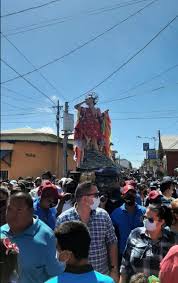

The Ortega-Murillo regime promotes the old mining industry, driving profits to its allies in
the private sector and increasing ENIMINAS
revenues that are managed by senior figures in the ruling party.
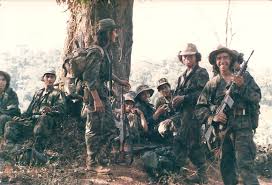
As the Ortega-Murillo regime continues to isolate itself by repressing encouraged democracy and Nicaraguan’ s human rights, it finds itself moving closer to other authoritarian nations like Russia.
In September 2023, the government held elections that were widely criticized as being rigged in favor of the ruling party. The opposition boycotted the elections, and international observers raised concerns about the fairness of the process.
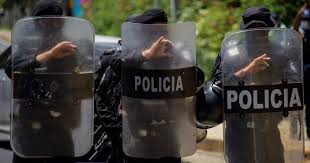
In response to these developments, the Organization of American States (OAS) has expressed concerns about the erosion of democratic institutions and human rights in Nicaragua.
The OAS has called on the government to respect the rights of its citizens and to allow for free and fair elections.
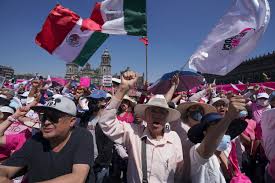
The international community has also expressed concern, with several countries imposing sanctions on Nicaragua in response to the government’s actions.
The State Department adds the following names.of Nicaraguan government officials to the list for undermining the democratic processes or institutions of Nicaragua:
Cairo Melvin Amador, current Vice President of the Supreme Electoral Council (CSE),

Lumberto Ignacio Campbell Hooker, current CSE member and Acting CSE President from 2018 until May 2021
Brenda Isabel Rocha Chacon, current CSE President, for conspiring with the Ortega-Murillo regime to undermine Nicaragua’s political institutions and subvert the November 2021 national election by disqualifying legitimate opposition parties and candidates on spurious grounds.
Edwin Ramon Castro Rivera, member of the Nicaraguan National Assembly since 1997 and head of the FSLN caucus since 2007, for ensuring Ortega-Murillo loyalists won all magistrate positions in the CSE and ensuring the passage of extremely broad legislation that the Ortega-Murillo regime used to exclude opposition candidates and parties and harass and jail political opponents.

Karen Vanessa Chavarria Morales, current judge in the ninth district in Managua, for abusing her authority and subverting legal processes to act against political opponents of the Ortega-Murillo regime and disqualify opposition candidates from the November 2021 election.
Walmaro Antonio Gutierrez Mercado, current member of the Nicaraguan National Assembly,
Carlos Wilfredo Navarro Moreira, current member of the Nicaraguan National Assembly, and Gustavo Eduardo Porras Cortes, current President of the Nicaraguan National Assembly for giving the Ortega-Murillo regime the tools to conduct its brazen assault on democracy by stacking the CSE with FSLN members loyal to Ortega.
Maria Haydee Osuna Ruiz, current member of the Nicaraguan National Assembly, for conspiring with the Ortega-Murillo regime to subvert the November 2021 Nicaraguan national elections by signing a spurious complaint that served as pretext for the government to disqualify the last remaining legitimate opposition party and hound its leader into exile.
We will continue to use all tools at our disposal to promote accountability for corruption and other attacks on the security, stability, and democratic aspirations of the people of Central America.