

As a participant in PACE TULSA, your focus remains constant. Character traits encompass the individual qualities or attributes that form a person's overall character, which can be physical, emotional, mental, or moral. A key aspect of strong character is the ability to uplift and empower others who may be experiencing marginalization, injustice, disrespect, or tragedy in our communities.

PACETULSA.COM
Which specific groups of pedestrians are particularly engaged?
The PACE TULSA SPECIFICITY-SURVEYS offer perspectives that aid in comprehending the significance of our One World Vision educational approach, emphasizing learning “self-constitution,” giving “hope to others,” and mobilizing to “take action.”
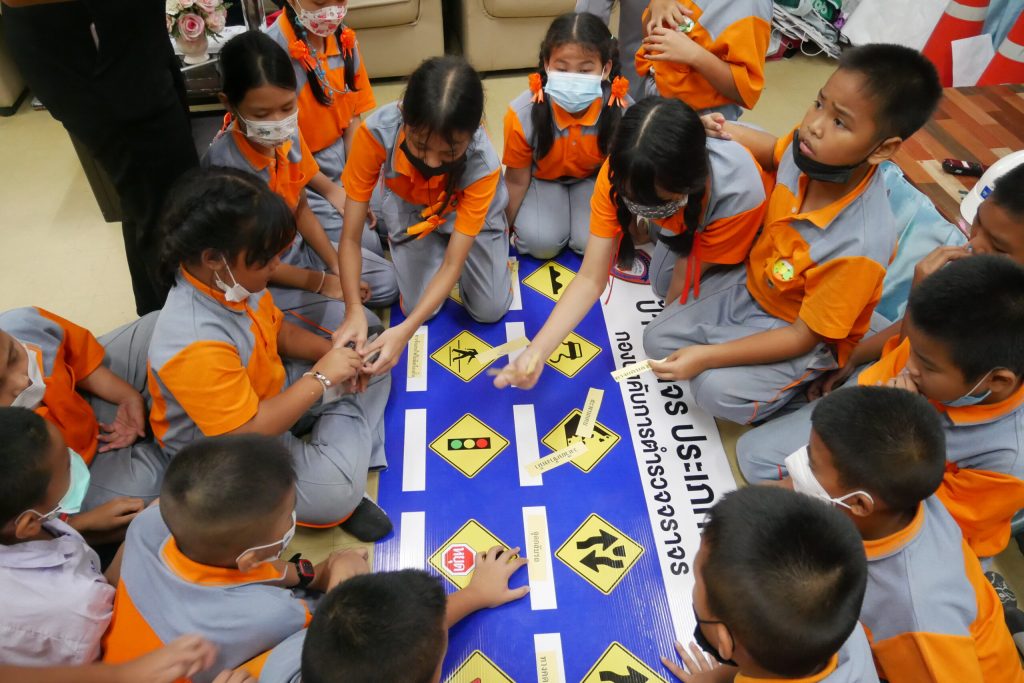
What Is a Vulnerable Road User?
A vulnerable road user, or VRU, is someone who is at greatest risk for serious injury or death when they are involved in a motor-vehicle-related collision. Florida law – §316.027(1)(b), F.S. – defines a VRU as any of the following:
• A pedestrian, including a person actually engaged in work upon a highway, or in work upon utility facilities along
a highway, or engaged in the provision of emergency services within the right-of-way;
• A person operating a bicycle, motorcycle, scooter, or moped lawfully on the roadway;
• A person riding an animal; or
• A person lawfully operating on a public right-of-way, crosswalk, or shoulder of the roadway: 1) a farm tractor or similar vehicle designed primarily for farm use; 2) a skateboard, roller skates, or in-line skates; 3) a horse-drawn carriage; 4) an electric personal assistive mobility device; or 4) a wheelchair. Children, the elderly, and the disabled are also categorized as VRU’s because of their susceptibility to injury or death when involved in a crash.
Trends Toward Reducing VRU Crashes
From a highway engineering perspective, several steps can be taken to reduce the number of VRU crashes that occur each year. Reducing speed in areas where motorists and bicyclists share the roadway can be accomplished by posting lower speeds, narrowing travel lanes, adding on-street parking or other objects close to the roadway, and traffic calming measures such as serpentining, speed bumps, and speed humps.
Measures that can assist with the safety of bicyclists include the placement of bike boxes before traffic signals, advanced stop bars that allow bikes to merge more safely into traffic, the use of leading bicycle green phase that allows the bicycle to proceed before other traffic, striping dashed bicycle lanes or colored paths through complex intersections, and restrictions on motorist right-turn-on-red. Dedicated bike lanes can help separate bicycle traffic from motorist traffic, and the use of convex mirrors where there are sight distance problems can help both motorists and bicyclists to see each other.
Roadway improvements that greatly benefit pedestrians, especially those with disabilities, include well-designed sidewalks, curb ramps at all crosswalks, and appropriate cross slopes and proper driveway designs. Intersection crossing islands can also be used to reduce pedestrian exposure to traffic.
When the citizens of Florida became involved in protecting the VRUs these laws were ienacted to ensure safer travel.
Florida Laws Designed to Protect VRU’s
Other municipalities can now look to Florida VRU protection laws for further guidance. The following Florida laws have been enacted for the protection of VRU’s:
• §316.027, F.S. – Also known as the “Aaron Cohen Life Protection Law,” this statute defines the terms “serious bodily injury” and “vulnerable road user.” §316.027(2)(a) requires that a driver remain at the scene of a crash and attempt to render aid to a VRU who is not seriously injured. A
violation of this section is a third degree felony. §316.027(2)(b) requires that a driver remain at the scene of a crash and attempt to render aid to a VRU who is seriously injured. A violation of this section is a second degree felony. §316.027(2)(c) prohibits a driver from leaving the scene of a crash
in which a VRU is killed. A violation of (2)(c) is a first degree felony with a mandatory minimum 4-year prison term. A violation of (2)(c) committed while the driver is under the influence will also result in a mandatory minimum 4-year prison term. A violation of (2)(a), (2)(b), or (2)(c) will result
in a three-year driver license revocation.
• §316.079, F.S. – Lists requirements for drivers when driving near construction workers or flagpersons.
• §316.0825, F.S. – Requires that drivers use due caution when approaching a rider on an animal such as a horse.
• §316.123(3), F.S. – Basic law listing requirements for drivers to yield the right of way to pedestrians and other traffic at intersections.
• §316.126, F.S. – Also known as the “Move Over Law,” this statute protects roadside workers by requiring drivers to reduce speed by 20 MPH or vacate the lane closest to an emergency
vehicle, sanitation vehicle, utility service vehicle, or wrecker that is working on the side of the road.
• §316.130, F.S. – Lists requirements for safe use of the roadway by pedestrians, lists requirements for drivers at crosswalks and intersections, lists requirements for drivers to yield to pedestrians.
• §316.1301, F.S. – Lists requirements for drivers to yield to blind or vision impaired pedestrians.
• §316.1303, F.S. – Lists requirements for drivers to yield to disabled pedestrians, allows disabled pedestrians to leave the sidewalk and use the roadway if no alternative route is available.
• §316.151, F.S. – Lists turning requirements for motorists and bicyclists.
• §316.172, F.S. – Lists stopping requirements for drivers approaching a school bus (protects children).
• §316.1895, F.S. – Sets speed limits and doubles fines for school zones (protects children).
• §316.1995, F.S. – Prohibits motorists from driving on a bicycle path or sidewalk.
Scenario 1:
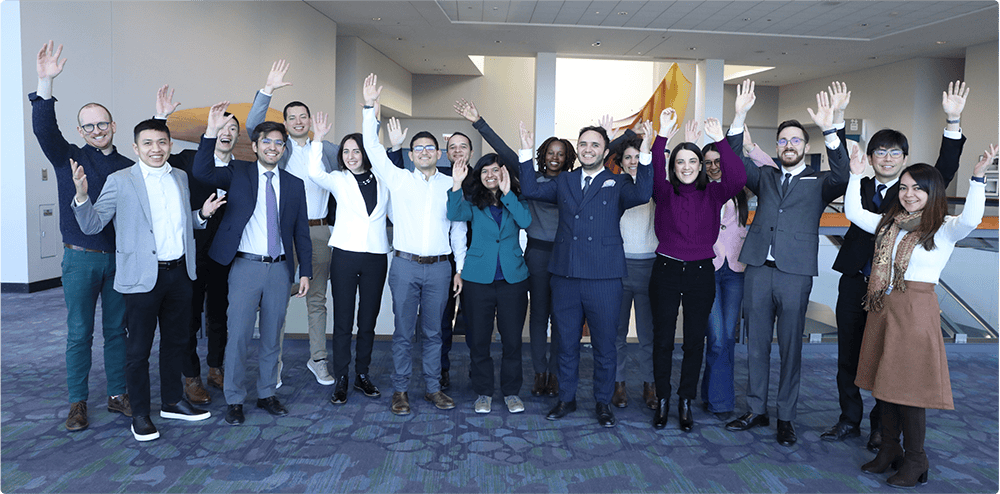
A group of individuals who regularly participate in community road safety workshops and advocate for pedestrian rights. They organize neighborhood watch programs and conduct educational sessions to raise awareness about pedestrian safety. Their efforts have contributed to a significant decrease in pedestrian accidents in their area.
Scenario 2:
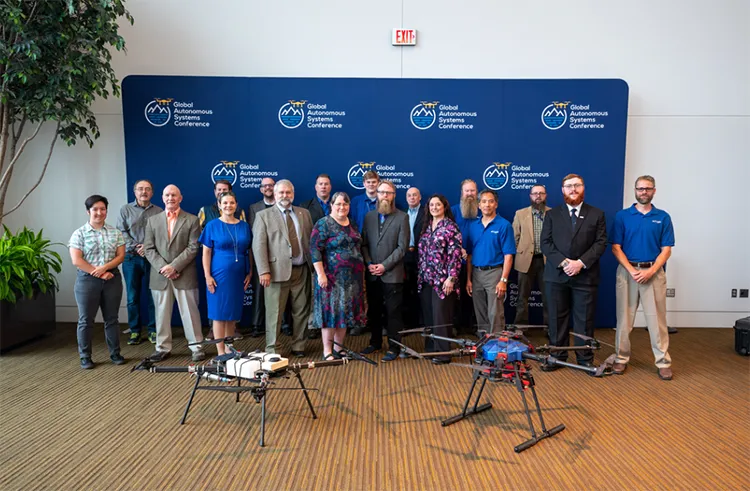
A team of researchers and transportation enthusiasts who have conducted extensive studies on the impact of transportation policy on road safety and the environment. They have published their findings in influential journals and have successfully influenced policymakers to implement safer transportation practices in their city.
Scenario 3:
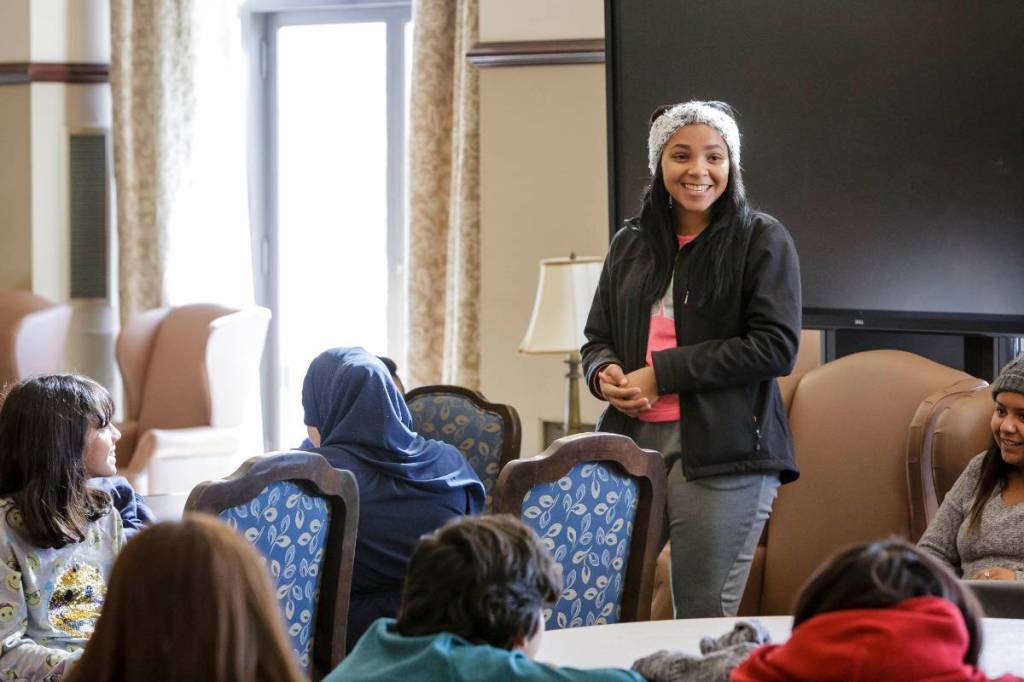
A passionate group of advocates for autonomous and asynchronous vehicle technology who have organized public events and seminars to educate the community about the benefits of these advancements. Through their efforts, they have garnered public support for the integration of these technologies into public transportation policy.
Scenario 4:
A dedicated organization that focuses on creating safe and inclusive learning environments for pedestrians and drivers. They have developed comprehensive training modules, organized national highway safety campaigns, and worked with lawmakers to advocate for traffic law reforms. Their initiatives have led to improved safety measures and increased awareness of pedestrian rights.


