

Certainly upon closer examination, it becomes evident that the Beckhard-Harris Change Model, commonly referred to as the Change Equation, accentuates the fundamental components crucial for effecting successful organizational change. This model is encapsulated in the formula D x V x F > R, delineating D as the representation of discontent with the current state, V as the envisaged future, F as the initial steps towards change, and R as the resistance to change. Analysis of the PACE TULSA initiative shows why, "It is imperative to understand the multifaceted nature of promoting pedestrian awareness at crosswalks."


by pacetulsa
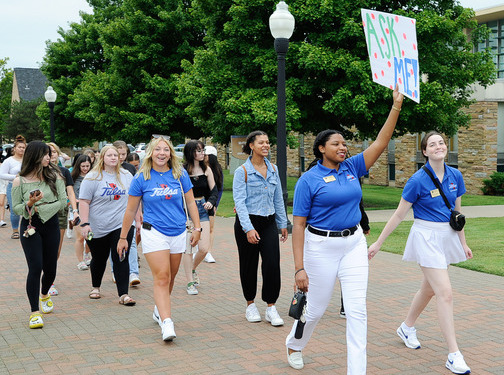
The Beckhard-Harris Change Model
The Beckhard-Harris Change Model, also known as the Change Equation, focuses on the elements essential for successful organizational change. The formula is D x V x F > R, where D represents dissatisfaction with the current state, V is the vision for the future, F is the first steps towards the change, and R is the resistance to change.
In the context of the current trials involving Donald Trump, we could consider applying the Change Model to the dynamics at play. For instance, one could analyze the level of dissatisfaction with the status quo, the competing visions of the future put forth by different parties, the actions taken to initiate or resist change, and the overall resistance to change from various stakeholders.
This analysis could provide a framework for understanding the complexities of the legal proceedings and the public discourse surrounding them, but it’s important to note that legal matters involve a unique set of variables and the application of a change model may not fully capture all aspects of such a situation.
This analytical framework could furnish insights into the intricacies of the accompanying public dialogues. Nevertheless, it is imperative to recognize that legal affairs entail a distinct array of variables, and the application of a change model may not comprehensively encapsulate all facets of such a multifaceted scenario
In a complex legal case involving a multinational corporation and multiple international jurisdictions, a distinct array of variables can complicate the application of a change model to comprehensively explain all facets of the multifaceted scenario.
SCenario # 1: MNC Environmental Codes
Imagine a scenario where a multinational corporation is accused of environmental violations in multiple countries. The legal proceedings involve navigating diverse legal systems, cultural differences, varying environmental regulations, and geopolitical considerations. The application of the Beckhard-Harris Change Model, which focuses on organizational change, may not adequately capture the intricate web of factors at play in such a case.
Yearly, Tulsa Neighborhood Inspectors investigate approximately 22,000 violations of nuisance and zoning ordinances identified through more than 14,500 complaints. Violations can be reported online or by calling the Customer Care Center at 311.
The dissatisfaction with the current state may differ significantly across countries due to varying levels of environmental awareness, regulatory enforcement, and societal norms. The vision for the future may also be influenced by cultural differences and competing economic priorities, making it challenging to harmonize the diverse visions put forth by different stakeholders in different regions.
Moreover, the first steps towards change may face obstacles stemming from not only legal and regulatory issues but also geopolitical considerations, public opinion, and the varying capacity of local institutions to enforce change. Additionally, the resistance to change may come from different sources, including political entities, local communities, and even internal divisions within the corporation, each with its motivations and dynamics.
As a result, in a multifaceted legal scenario involving such a distinct array of variables, the application of a change model might not be able to provide a clear and comprehensive explanation for all facets of the case.
The unique interplay of legal, cultural, regulatory, and geopolitical factors would necessitate a more nuanced and multifaceted approach to understanding and addressing the complexities of such a legal case.
Here’s a Modern Contextual Example From Oklahoma: To read the full case click the link below.
258 F. Supp. 2d 1263 (2003)THE CITY OF TULSA, the Tulsa Metropolitan Utility Authority, Plaintiffs,https://case-law.vlex.com/vid/city-of-tulsa-v-890655250
v.
1. TYSON FOODS, INC., 2. Cobb-Vantress, Inc., 3. Peterson Farms, Inc., 4. Simmons Foods, Inc., 5. Cargill, Inc., 6. George’s, Inc., 7. City of Decatur, Arkansas, Defendants.No. 01-CV-0900-EA(C).
United States District Court, N.D. Oklahoma.March 14, 2003.
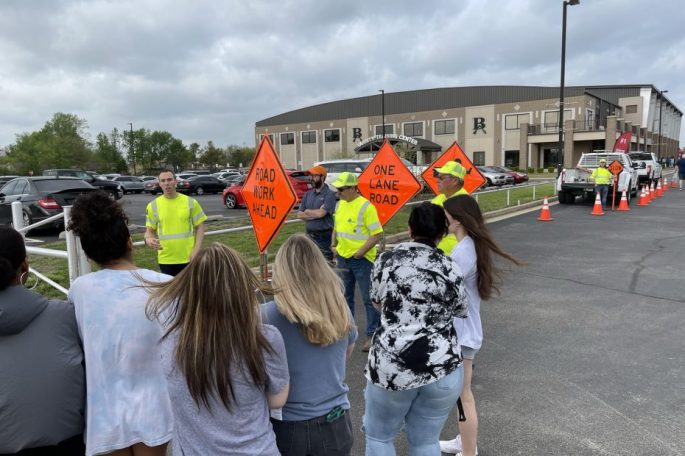
PEDESTRIAN AWARENESS CROSSWALK EDUCATION AND The Beckhard-Harris Change Model
Upon deeper examination, it becomes apparent that the Pedestrian Awareness Crosswalk Education (PACE) initiative underscores the essential components necessary for promoting pedestrian safety and awareness at crosswalks. This educational framework is encapsulated in a comprehensive approach that involves multiple elements crucial for enhancing pedestrian safety and reducing accidents at crosswalks.

Analysis of the PACE TULSA initiative shows why, “It is imperative to understand the multifaceted nature of promoting pedestrian awareness at crosswalks.”
The PACE initiative encompasses educational programs, infrastructure improvements, public awareness campaigns, and policy advocacy aimed at creating a safe and pedestrian-friendly environment at crosswalks.
The formula for success in the PACE initiative might be expressed as E x I x A > R, where E represents the effectiveness of educational programs, I signifies infrastructure improvements, A denotes the level of public awareness, and R is the reduction in pedestrian accidents at crosswalks. This model aims to highlight the interdependency of these factors and their collective impact on enhancing pedestrian safety and awareness.
Applying the PACE TULSA initiative framework to urban areas with high pedestrian traffic, such as downtown districts or school zones, presents a unique set of variables. The effectiveness of educational programs may vary depending on the targeted audience, incorporating diverse age groups, cultural backgrounds, and socioeconomic factors. Tailoring educational initiatives to address these diverse needs and preferences is essential for maximizing their impact on pedestrian awareness and behavior at crosswalks.
Infrastructure improvements, such as enhanced signage, signal timing, and crosswalk design, play a crucial role in creating a safe and accessible environment for pedestrians. However, the implementation of these improvements may face challenges related to funding, coordination with local authorities, and public acceptance of urban design changes. Addressing these challenges is pivotal to ensuring that infrastructure enhancements effectively contribute to pedestrian safety and awareness at crosswalks.
Moreover, public awareness campaigns need to be strategically designed to resonate with the community, influence behavioral change, and garner widespread support for pedestrian safety initiatives. Engaging with local stakeholders, utilizing diverse communication channels, and leveraging social influence are key aspects of fostering a culture of pedestrian awareness and responsibility at crosswalks.
The reduction in pedestrian accidents at crosswalks, the ultimate goal of the PACE TULSA initiative, is a “complex measure” influenced by various factors, including behavioral patterns, enforcement of traffic laws, and the overall urban environment. Analyzing the impact of the PACE TULSA initiative requires a comprehensive assessment of pedestrian accident data, changes in pedestrian behavior, and the collaborative efforts of relevant stakeholders in implementing pedestrian safety strategies.
The application of the PACE TULSA initiative framework to urban areas with high pedestrian traffic necessitates a multifaceted approach that integrates educational, infrastructural, and awareness-building strategies. Understanding the dynamics at play and addressing the unique set of variables in each urban context is essential for achieving meaningful and sustainable improvements in pedestrian safety and awareness at crosswalks.


