

Road death risk is often characterized as deaths per volume of traffic in geographic regions, the denominator in miles or kilometers supposedly indicative of the magnitude of risk exposure. Leon S. Robertson, Journal of Safety Research

by pacetulsa
Tragedy’s Inner Turn
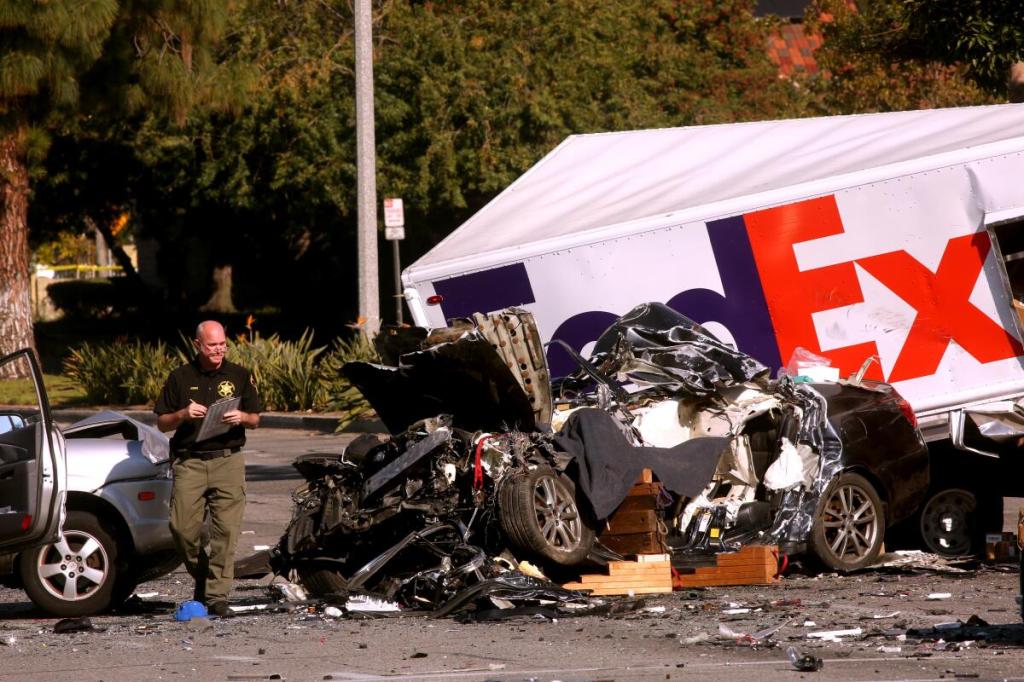
In the aftermath of tragedy, we often retreat inward, focusing on personal recovery. Yet, profound experiences can ignite a purpose far greater than oneself. Such was the case for me. A pedestrian accident irrevocably altered my life, but it also ignited a fierce determination to protect others from a similar fate.
The challenges faced by accident victims are often compounded. Upon examination of the differences in the predictive value of factors hypothesized to influence traffic volume and road death risk some studies have concluded:
- Road deaths are higher on days with low traffic volume in U.S. counties.
- Without speed-reducing countermeasures, lowered congestion is likely to increase deaths.
“The Daily motor vehicle traffic volume and other risk factors associated with road deaths in U.S. counties study” employed Least squares regression for traffic volume and Poisson regression for deaths with the population as the offset variable. The results were that the directions of the regression coefficients for traffic volume and odds of road deaths per population were opposite from one another for 9 of the 11 variables in the analysis of vehicle occupant deaths. And additionally distracted driving and driving while texting played a major role in those pedestrian injuries and deaths due to exposure to a hazard and the probability of death when exposed.

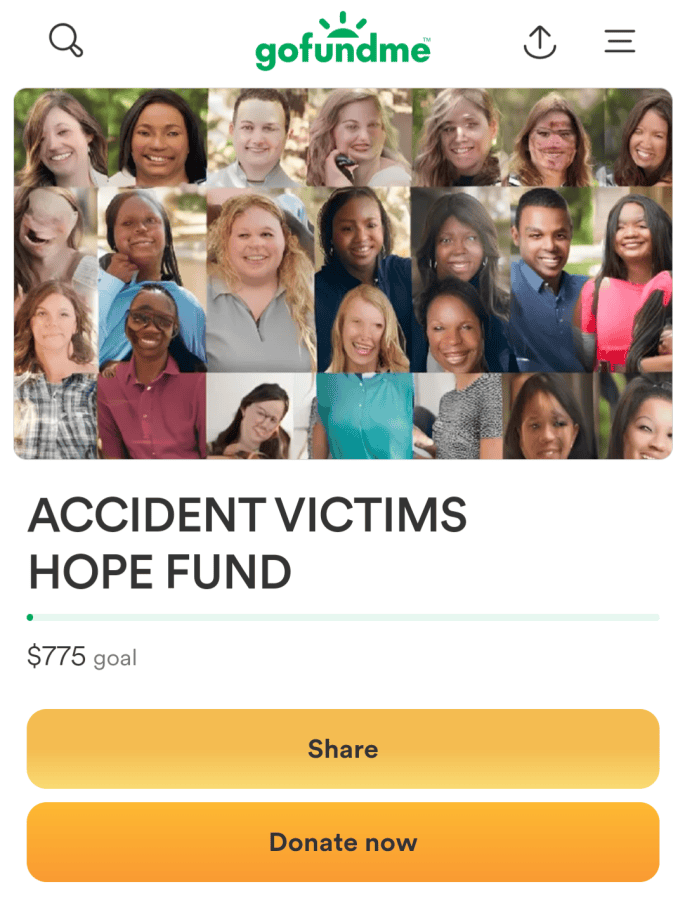
The other compounding issue for accident victims is financial hardship. Traumatic stress is quite intense and subjects psychological, physiological and adaptive capabilities of a person to additional load, destroys psychological defenses, causes anxiety and often results in deterioration of somatic health. (Oksana Zashchirinskaia, 2018) Somatic health refers to overall physical well-being, and it’s increasingly recognized that mental health and physical health are intricately linked. Financial stress is a potent mental health trigger, and when prolonged or severe, it can manifest in various physical symptoms. Financial hardship often accompanies feelings of anxiety and depression, which can also manifest as physical symptoms like headaches, muscle tension, and gastrointestinal problems. Fundraising campaigns, essential for rebuilding lives and communities, can struggle to gain traction. This is a critical issue that demands our attention.
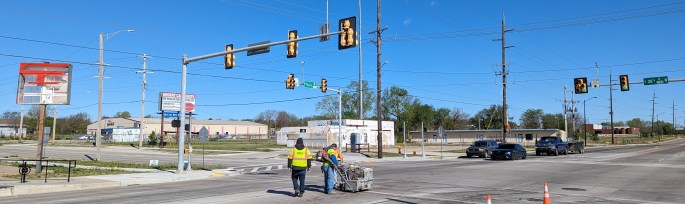
United voices hold immense power. Together, we can transform our transportation systems into safe havens for pedestrians. Through PACE TULSA and The Accident Victims Hope Fund, I am committed to supporting those affected by pedestrian accidents and advocating for safer streets.
A Shared Passion at Work
Recently, I received a heartwarming surprise. A colleague, upon discovering my work with PACE TULSA online (pacetulsa.wordpress.com), chose to share a video on distracted driving during a company safety meeting. This act of awareness-raising resonated deeply with me. Perhaps it struck a chord because, like many of us, they may have witnessed a pedestrian accident or know someone impacted by one.
Understanding Their Choice
There could be several reasons my colleague chose to highlight pedestrian safety. My colleague may have been:
Personally affected by Pedestrian Safety
Maybe a friend or family member has been involved in a pedestrian accident, making them acutely aware of the dangers of distracted driving. Including at work.
Recognized the value of Workplace Safety
There is an immediately recognizable message and resources offered by PACE TULSA that appeal to visitors of our website. There’s also relevant workplace safety.
Inspired by our (PACE TULSA) PEDESTRIAN AWARENESS CROSSWALK SAFETY story
Reading the PACE TULSA experience and dedication of PACE TULSA participants could have motivated others to take action within their own sphere.
Building a Safer Future Together
This incident underscores the power of shared experiences and the importance of building a culture of safety. Just like my colleague, you too can make a difference.
Let us turn fear into action. By supporting initiatives like PACE TULSA, we can create a future where pedestrians are prioritized. Together, we can build a safer community where every step is taken with confidence. Join PACE TULSA in this vital journey. Let’s make every street a safe haven.
Sincerely,
Terence Morris, Author & Founder of PACE TULSA


